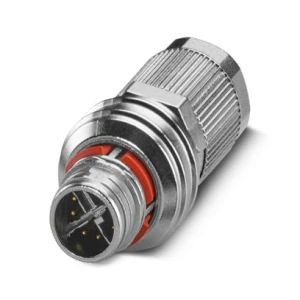
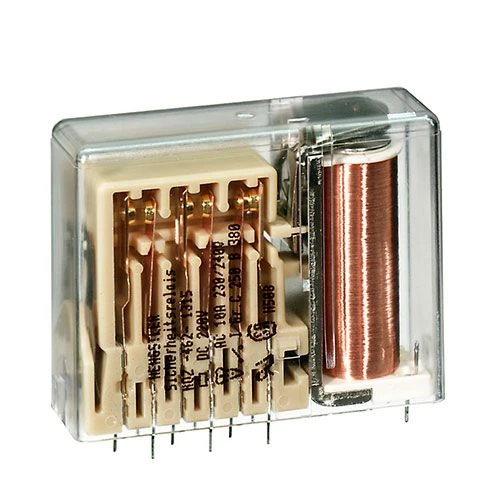
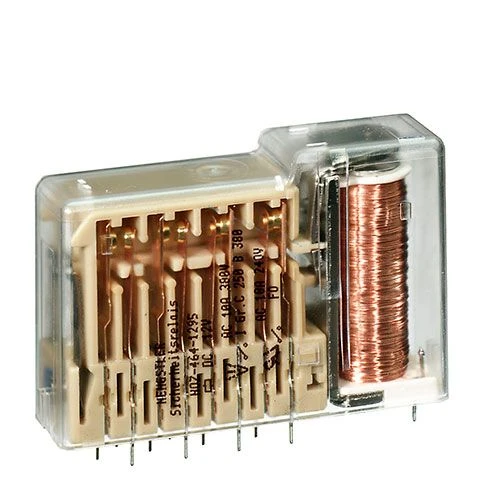
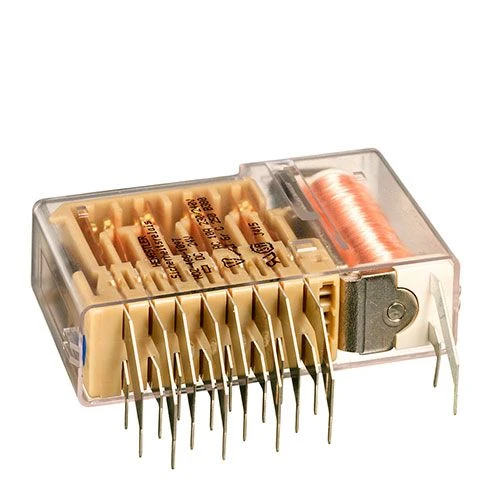
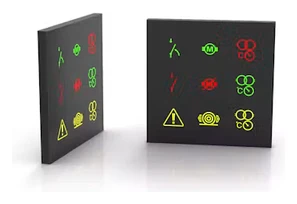
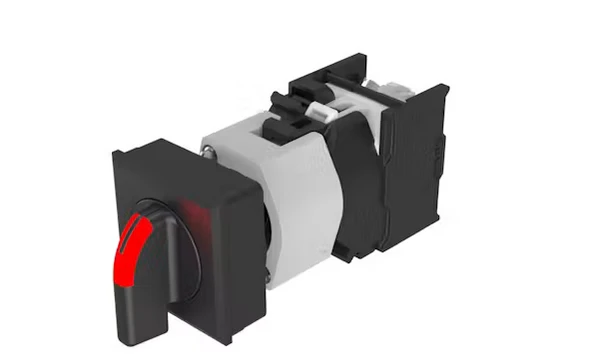
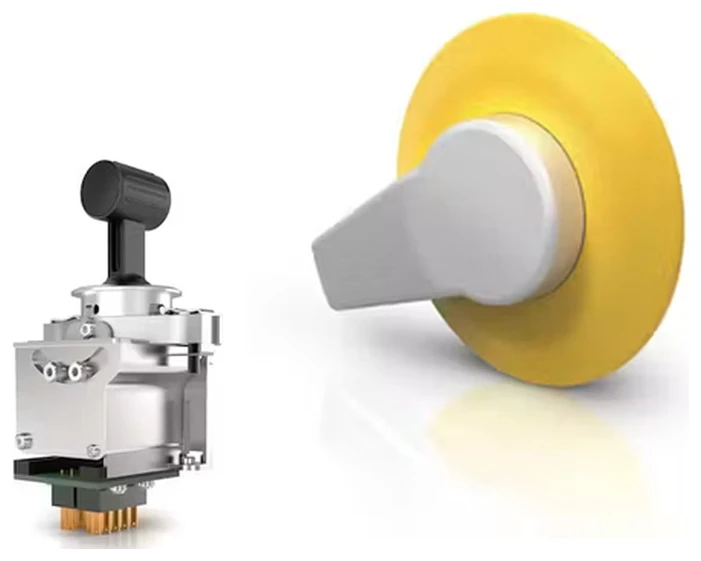
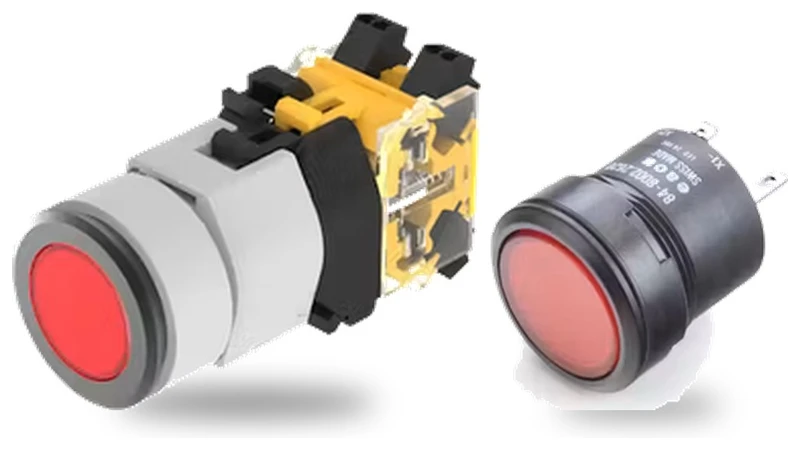
Fire protection on railway vehicles; Part 2 - requirements for materials and components according to requirement sets R and hazard levels HL1–HL3.
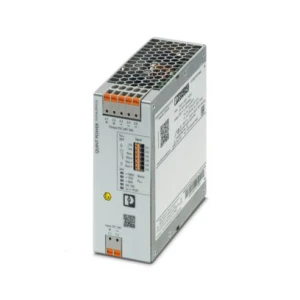
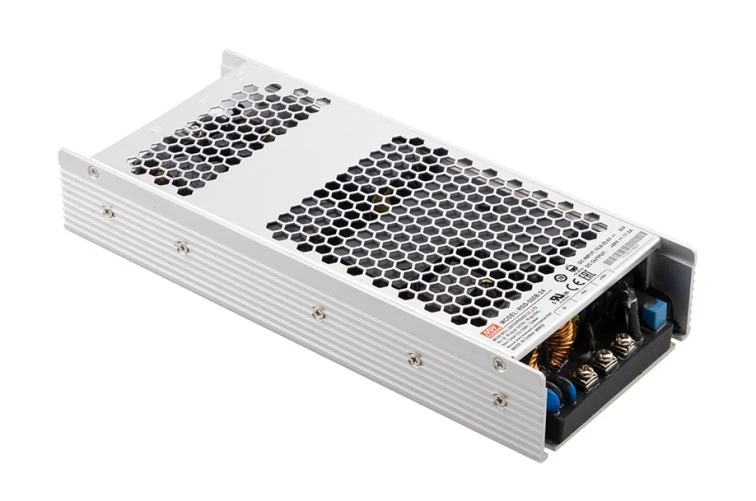
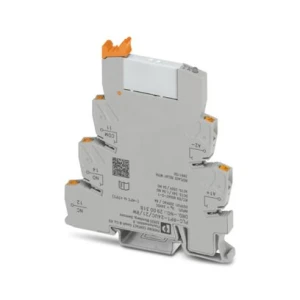
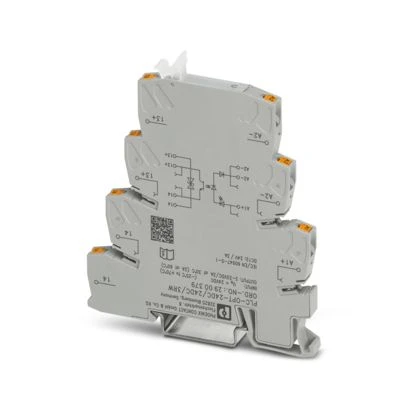
Parts declared by products:
Part 2 specifies reaction-to-fire requirements for materials and products used in railway vehicles defined in EN 45545-1. The operating and design categories of the vehicle in EN 45545-1 determine the hazard level (HL1–HL3), and for each level the standard specifies test methods, test conditions and requirements.
The standard applies to rolling stock (railway vehicles) and assigns products requirement sets R according to installation location and product function; product records declare R22/R23 sets for electrical equipment. Part 2 does not cover measures for preserving the vehicle in the event of fire (vehicle design - Part 4, fire barriers - Part 3, electrical equipment - Part 5).
Without material classification to EN 45545-2 (R set + HL level), a component cannot be introduced into a vehicle subject to the LOC&PAS TSI; classification eliminates the risk of material rejection during vehicle authorisation.
For materials and components installed in railway vehicles. The standard assigns products requirement sets R according to installation location and function, while hazard level HL1–HL3 results from the vehicle's operating and design categories (EN 45545-1).
Manufacturers refer to the mass thresholds in the standard for small components - in the MC/MCR microswitch data sheet, Mersen states that an item below 100 g does not require smoke/toxicity classification. The classification is carried by the assembly into which the component is incorporated.
EN 45545-2:2020 with amendment A1:2023 (PN-EN 45545-2+A1:2024-04). A reference to “EN 45545-2:2013+A1:2015” in a data sheet means the product was tested to a withdrawn edition.