Shock and vibration resistance testing of rolling-stock equipment.
The standard specifies test requirements for equipment intended for installation on railway vehicles and exposed to vibration and shock in normal service; the tests simulate service conditions over the full operating life using accelerated methods.
The 2026 edition specifies default single-axis test procedures with the option of multi-axis testing. Traction motors and mechanical components without electrical, electronic or pneumatic elements are outside its scope.
The standard applies to rolling-stock equipment.
A test report to EN/IEC 61373 stating the installation category allows a component to be selected for its mounting location (vehicle body, bogie, axle) without carrying out separate vibration tests.
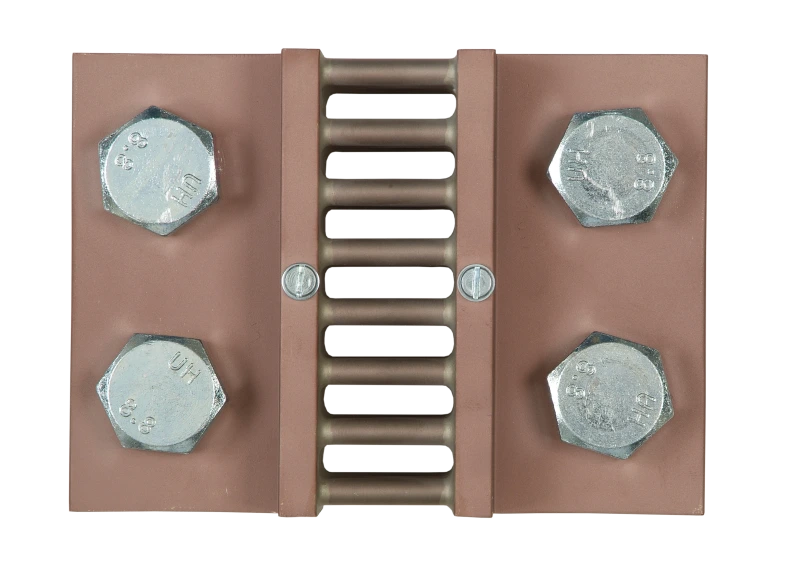
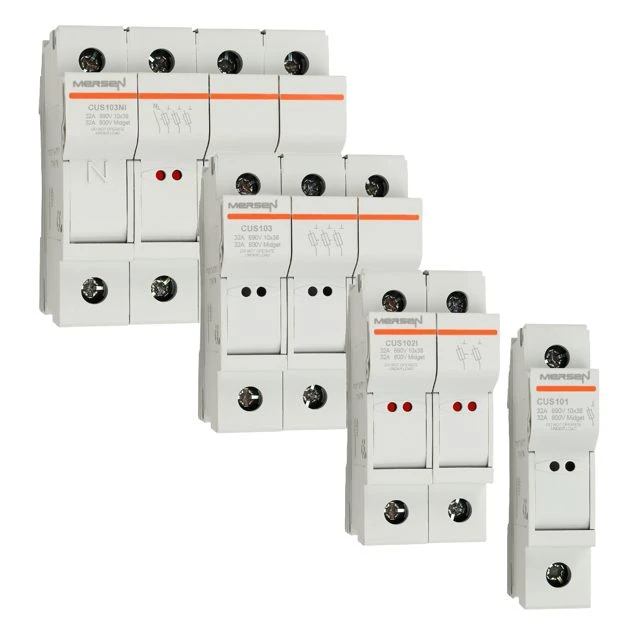
The installation category (vehicle body, bogie, axle) and class define the vibration and shock spectrum to which the product was subjected - for example, the Mersen Modulostar CMC10 data sheet states “IEC 61373 Category 1 Class B”. A declaration without a category does not allow assessment of whether the test corresponds to the mounting location.
The standard applies to railway-vehicle equipment. Environmental conditions for trackside apparatus are specified in EN 50125-3, while EN 50121-5 (EMC) and EN 50123 (DC switchgear) apply to fixed power-supply installations.
IEC 61373:2026 (Ed. 3.0, July 2026) replaces the 2010 edition; the European version EN IEC 61373:2026 appears in national catalogues. Product data sheets with tests to EN 61373:2010 remain valid during the transition period.