AC and DC traction substations

AC and DC traction substations

A traction substation converts energy from the distribution grid into the voltage used to supply the overhead contact line - in Poland, 3 kV DC traction predominates, alongside AC systems on lines supplied from the industrial power grid. From the equipment-selection perspective, the facility can be divided into three sections with different requirements: the AC incoming feeder bay, the rectifier unit, and the DC outgoing feeder bays with the return circuit.

The DC side is more demanding than the AC side. Direct current has no natural current zero, so an arc does not extinguish on its own - the breaking capability of the apparatus depends on the L/R time constant of the circuit, not only on the prospective short-circuit current. The same fuse or switch-disconnector behaves differently in circuits with low and high inductance. This is compounded by switching and lightning overvoltages entering from the overhead contact line and by the need for insulation coordination at rated voltages higher than those found in typical industrial installations.

Equipment used in this area includes: fuse-links and fuse bases for AC and DC circuits, DC switching apparatus, surge protection devices on both sides of the converter, high-voltage measurement transducers with galvanic isolation, power supplies and relays for auxiliary-service circuits, as well as terminal blocks and cabinet systems.

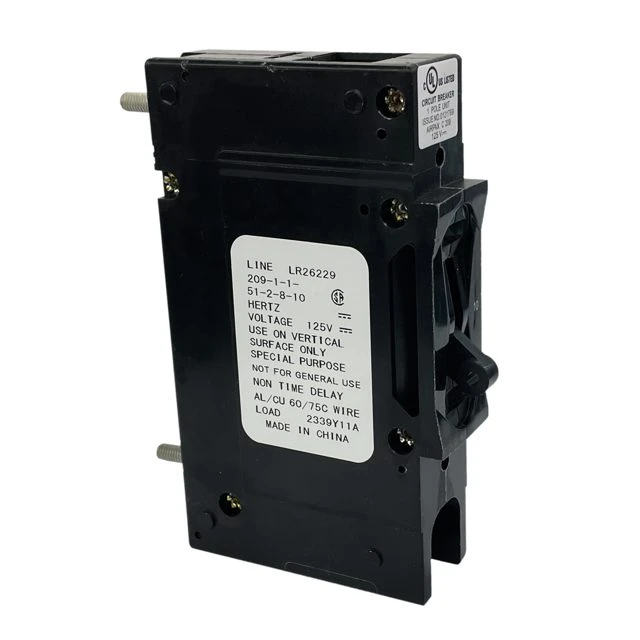
Airpax hydraulic-magnetic circuit breakers

Sensata
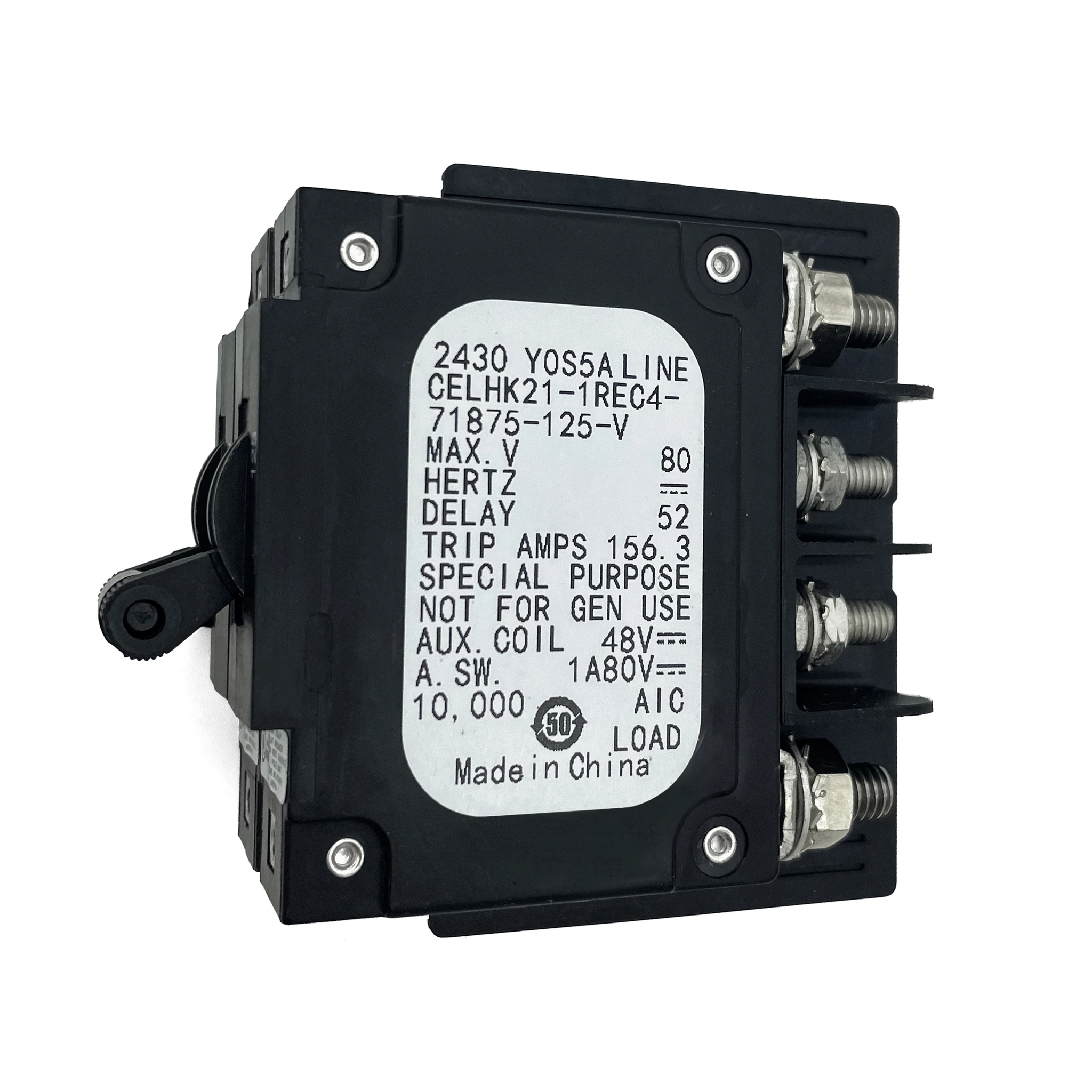
Hydraulic-magnetic circuit breakers - panel mount
Airpax 209/219/229 E-Frame Circuit Breaker
Sensata
Hydraulic-magnetic circuit breakers - panel mount
Airpax CEL Circuit Breaker with Signaling (214)

Connectors

Phoenix Contact
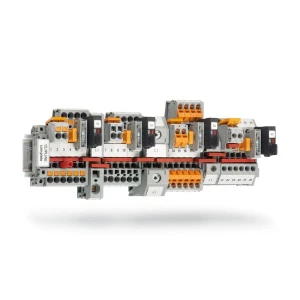
CLIPLINE complete DIN-rail terminal blocks
CLIPLINE complete - DIN-Rail Terminal Blocks (PT/PTV/ST)
Phoenix Contact
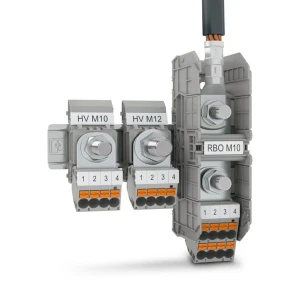
High-current stud terminal blocks
CLIPLINE complete - Stud Terminal Blocks

Contactors and relays

Joslyn Clark
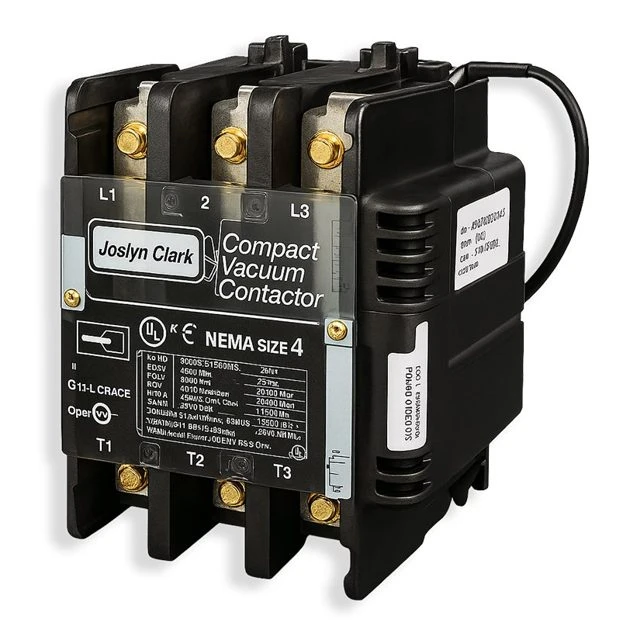
AC vacuum contactors
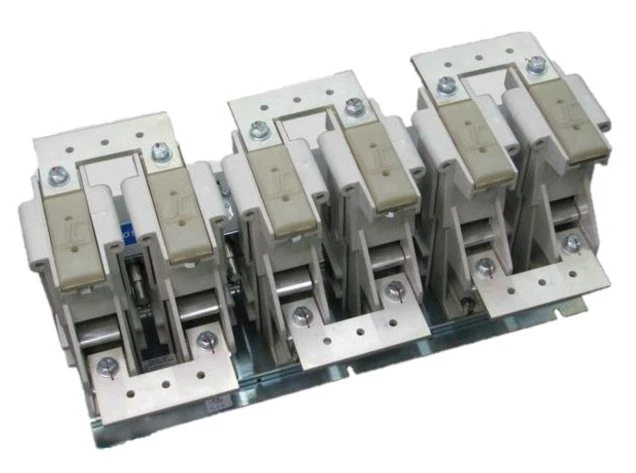
Joslyn Clark CV Vacuum Contactor (compact, size 4–6, up to 1500 V)
Joslyn Clark
DC contactors
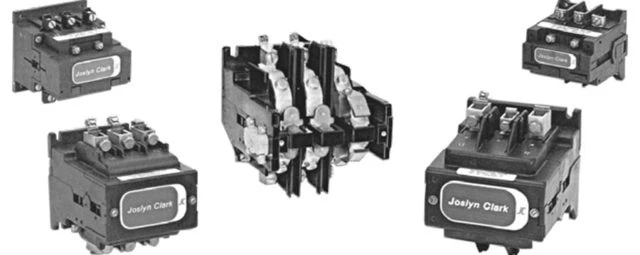
Joslyn Clark DC Contactors (5DP / 7400 / 7001, up to 700 A, 500 V DC)
Joslyn Clark
Medium-voltage vacuum contactors
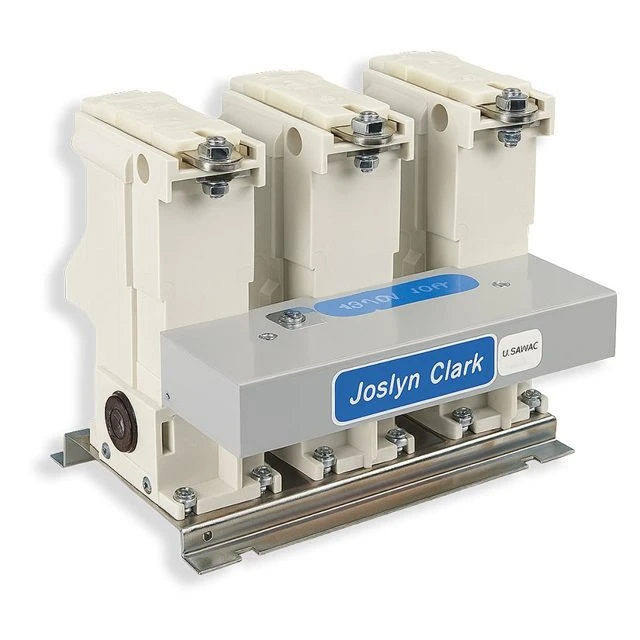
Joslyn Clark MVC Medium-Voltage Vacuum Contactor (2300–7200 V, BIL 60 kV)
Joslyn Clark
AC vacuum contactors
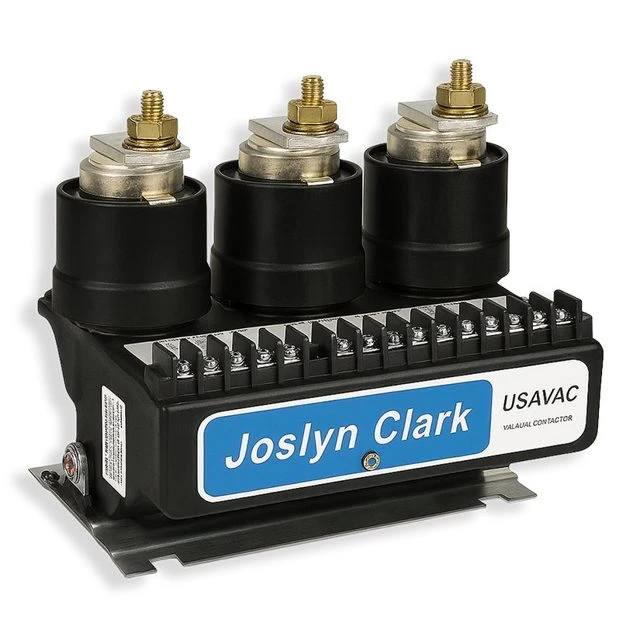
Joslyn Clark USAVAC VC Vacuum Contactor (LV/MV, 200–3600 V)

Equipment protection circuit breakers

Phoenix Contact
Equipment circuit breakers
CBM E4 and E8 - Multi-Channel Circuit Breakers
Phoenix Contact
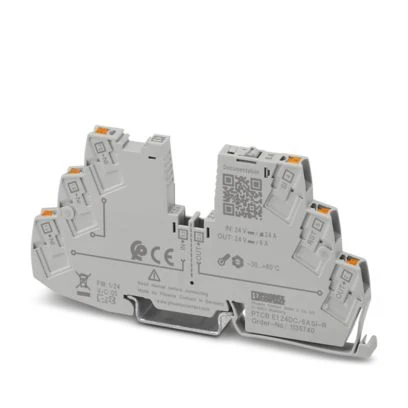
Equipment circuit breakers
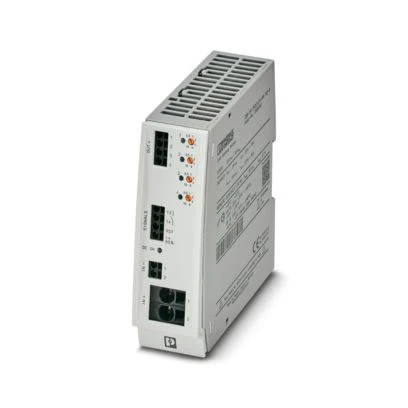
PTCB E1 - Electronic Circuit Breakers

Fibre optic boxes

Phoenix Contact
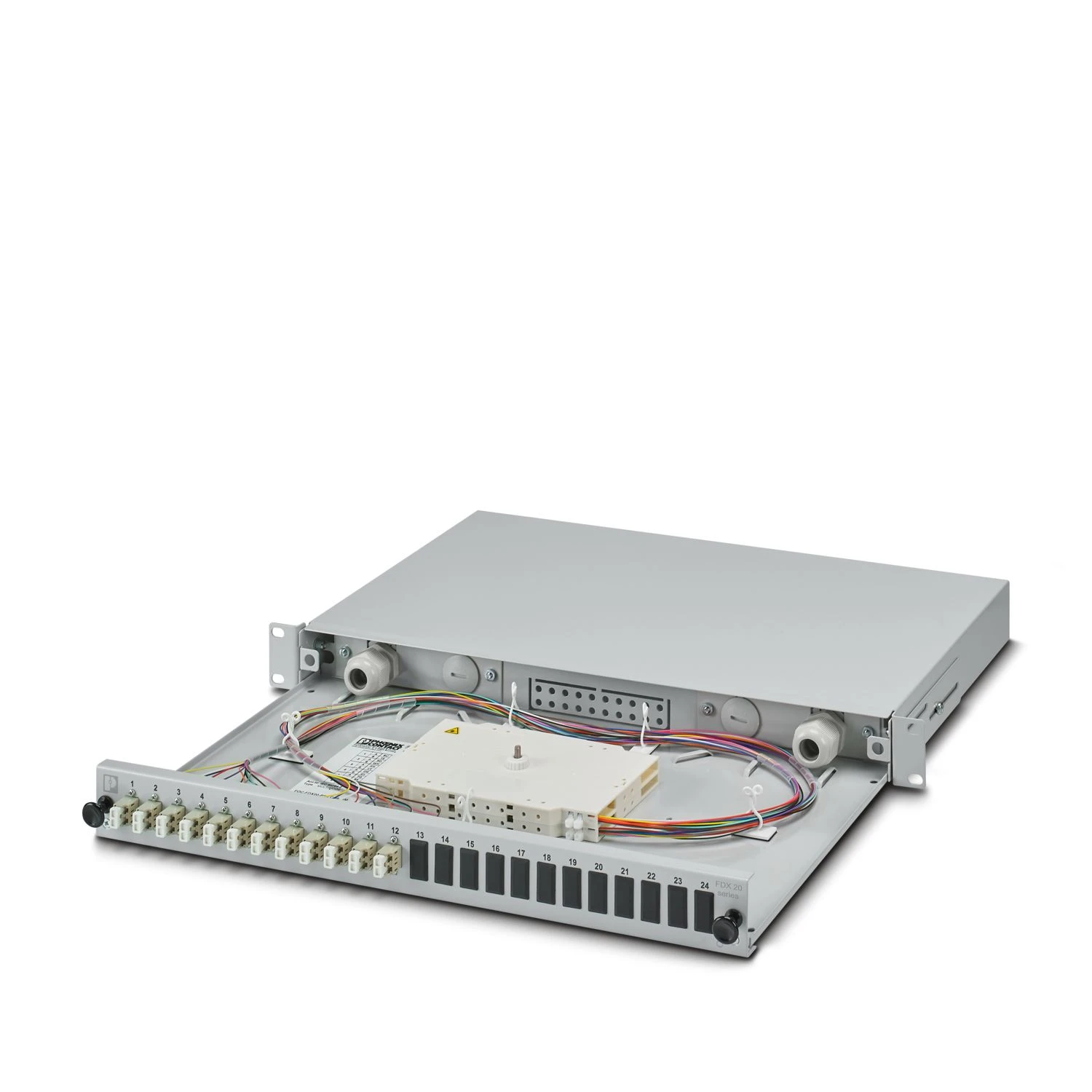
Fiber-optic distribution boxes
19" Rack-Mount Fiber Optic Boxes
Phoenix Contact
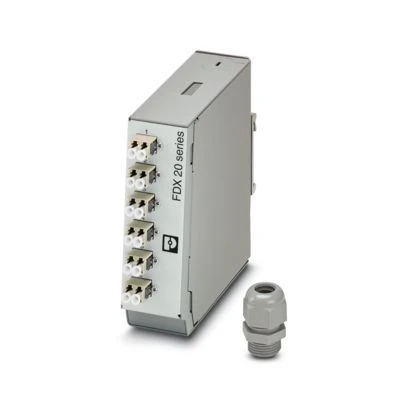
Fiber-optic distribution boxes
DIN-Rail Fiber Optic Boxes

High-voltage relays

Sensata
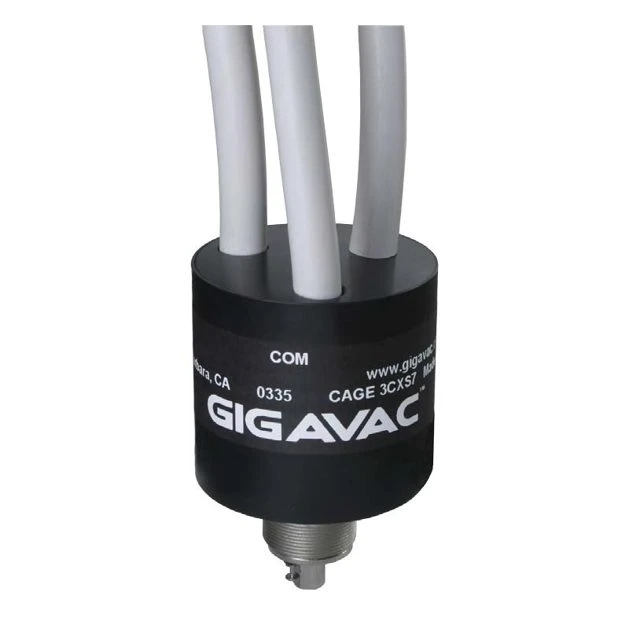
High-voltage relays
Gigavac G71

Marking and labelling

Phoenix Contact
Markers for terminal blocks, wires and devices
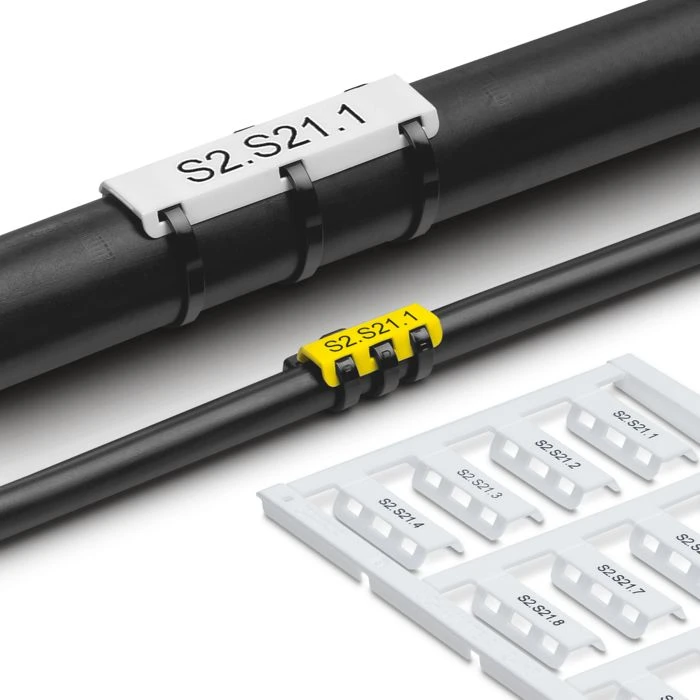
UniCard Markers (UC / UCT)
Phoenix Contact
Wire and cable markers
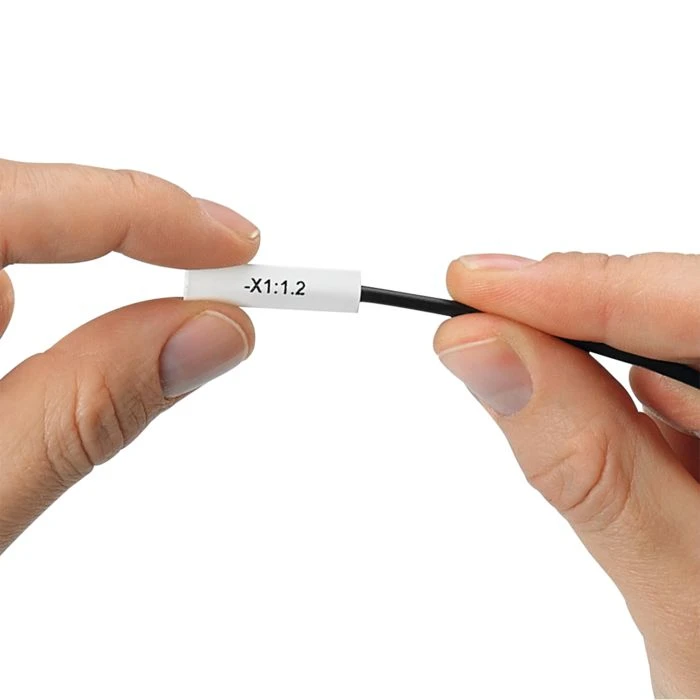
WMS-2 HF - Heat-Shrink Sleeves

Networking and cybersecurity

Phoenix Contact
OT cybersecurity
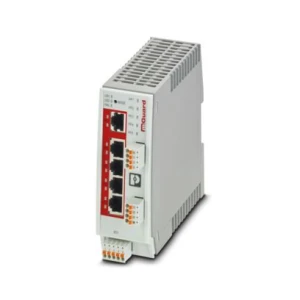
FL MGUARD

Power supplies and converters

Phoenix Contact
Buffer and redundancy modules
QUINT - Capacitor Modules
Phoenix Contact
DC UPS power supplies
QUINT - Uninterruptible Power Supplies (UPS)
Phoenix Contact
AC/DC switching power supplies
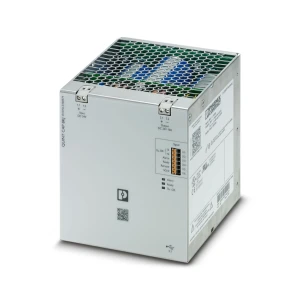
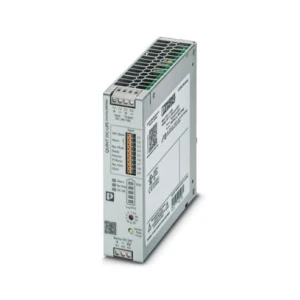
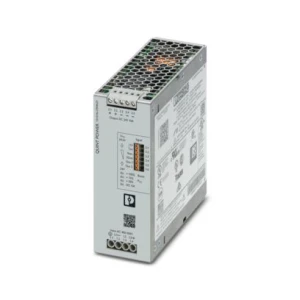
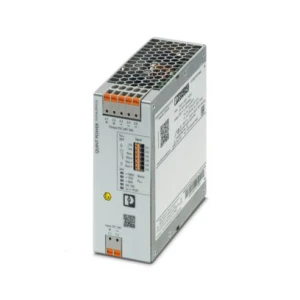
QUINT POWER AC/DC
Phoenix Contact
DC/DC converters
QUINT POWER DC/DC

Relays

Phoenix Contact
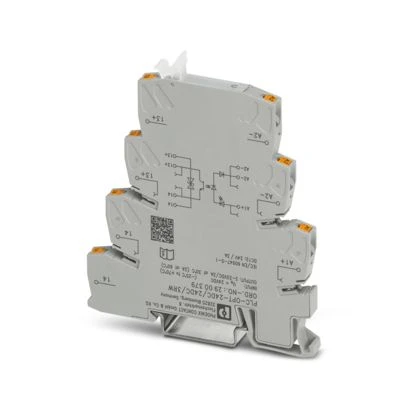
PLC-INTERFACE relay modules
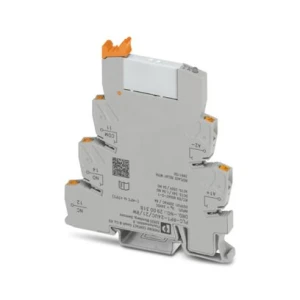
PLC-INTERFACE - Electromechanical Relays
Phoenix Contact
PLC-INTERFACE relay modules
PLC-INTERFACE - Solid-State Relays

Sensors, transducers and measurement

Carlo Gavazzi
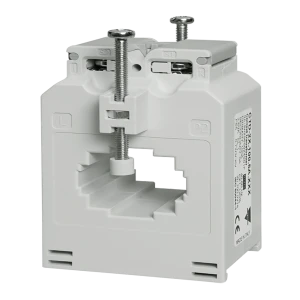
Current transformers
CTD / CTA Series
Carlo Gavazzi
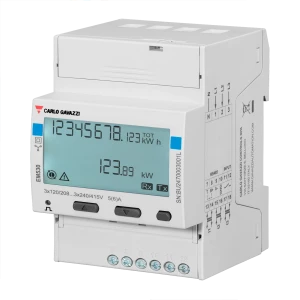
Energy meters
EM530 / EM540
Knick
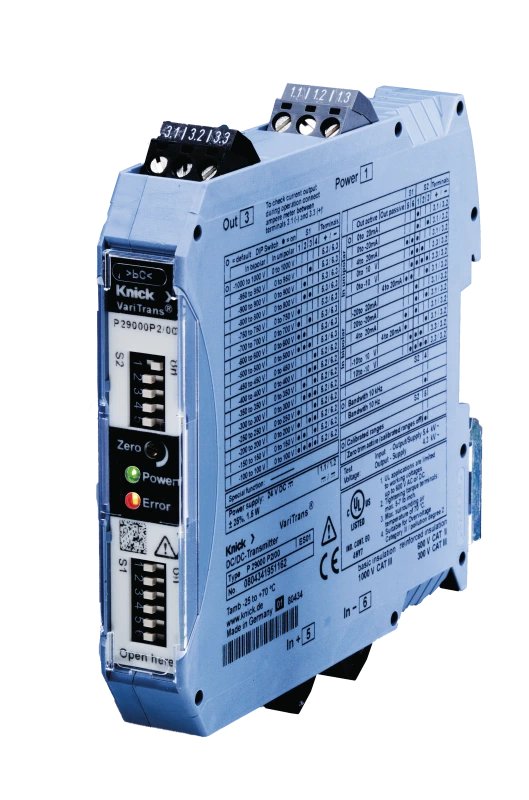
High-voltage transducers
P29000 Series
Knick
High-voltage transducers
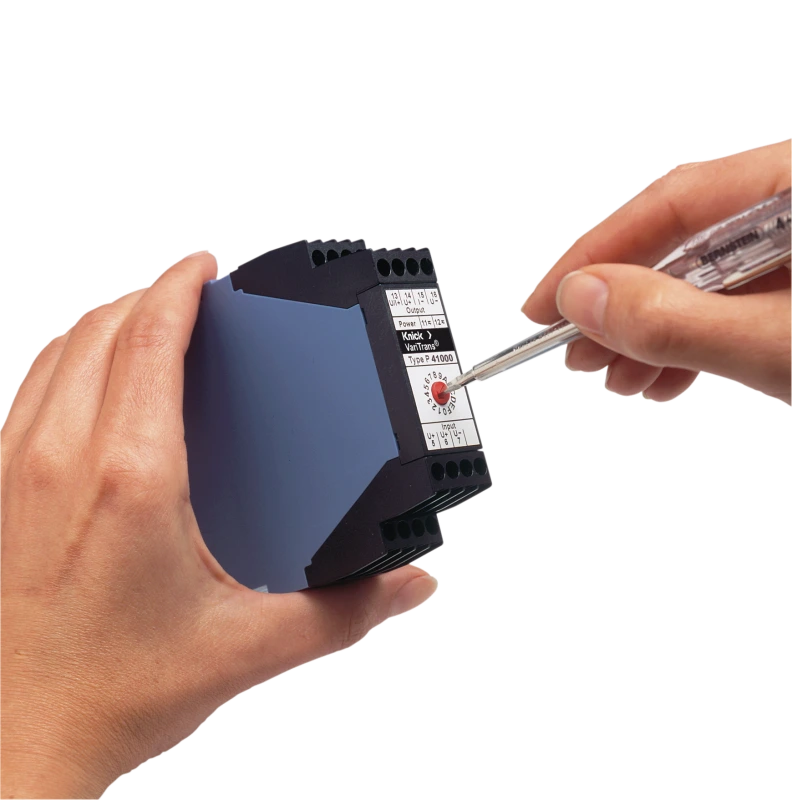
P41000 Series
Knick
High-voltage transducers
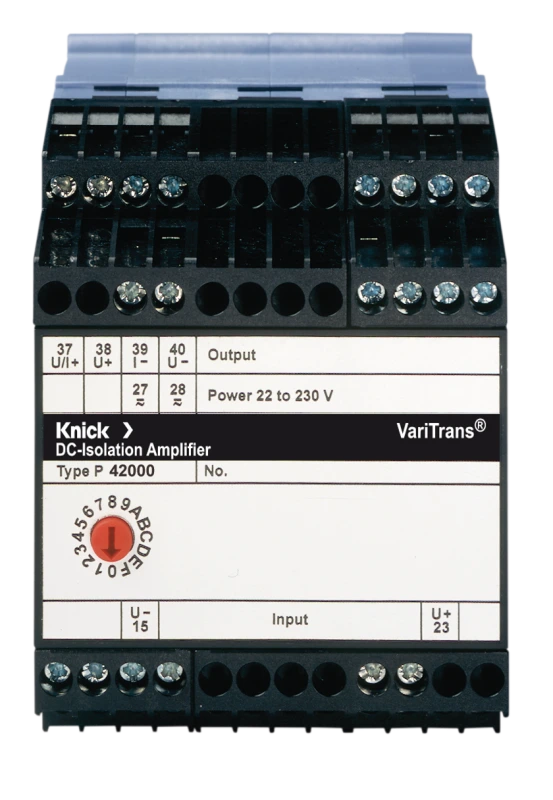
P42000 Series
Knick
Temperature measurement
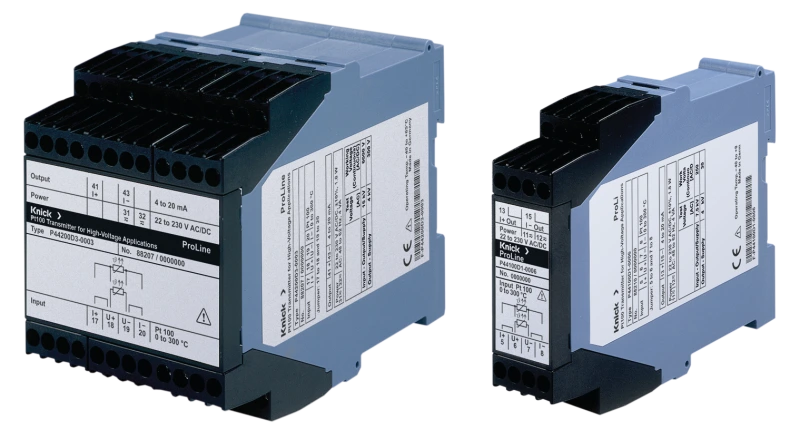
P44000 Series
Knick
Voltage detection
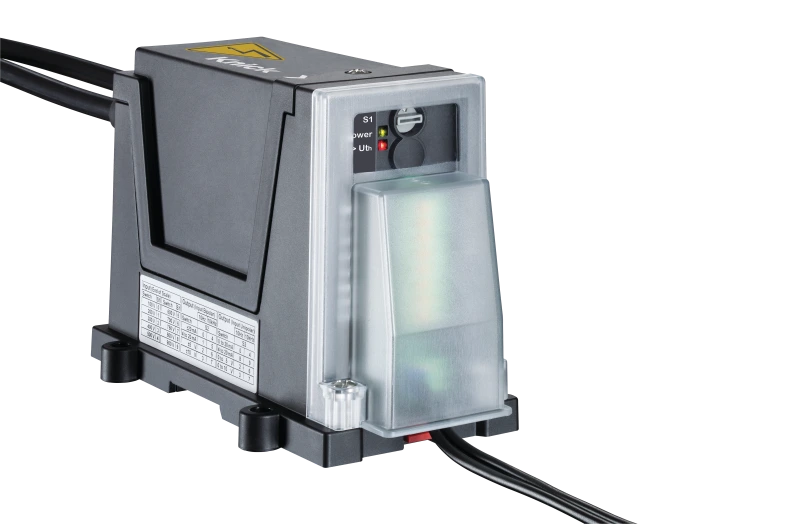
P52000VPD Series
Carlo Gavazzi
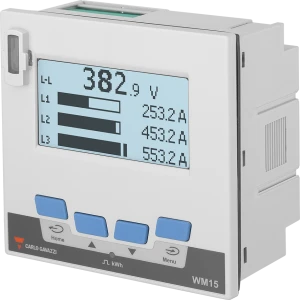
Power analyzers
WM15
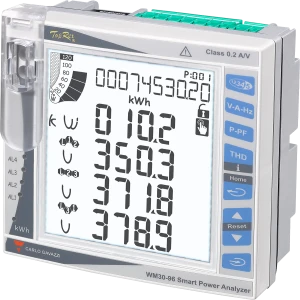
Carlo Gavazzi
Power analyzers
WM20 / WM30 / WM40

Short-circuit protection and fuses

Mersen
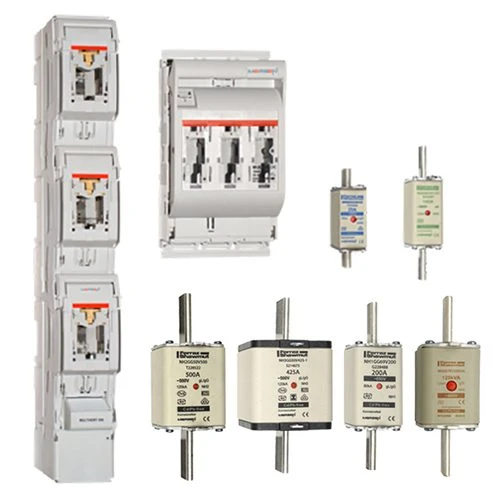
NH blade fuses
NH Fuse Links (000-4a)

Solid-state relays

Sensata
AC solid-state relays - panel mount
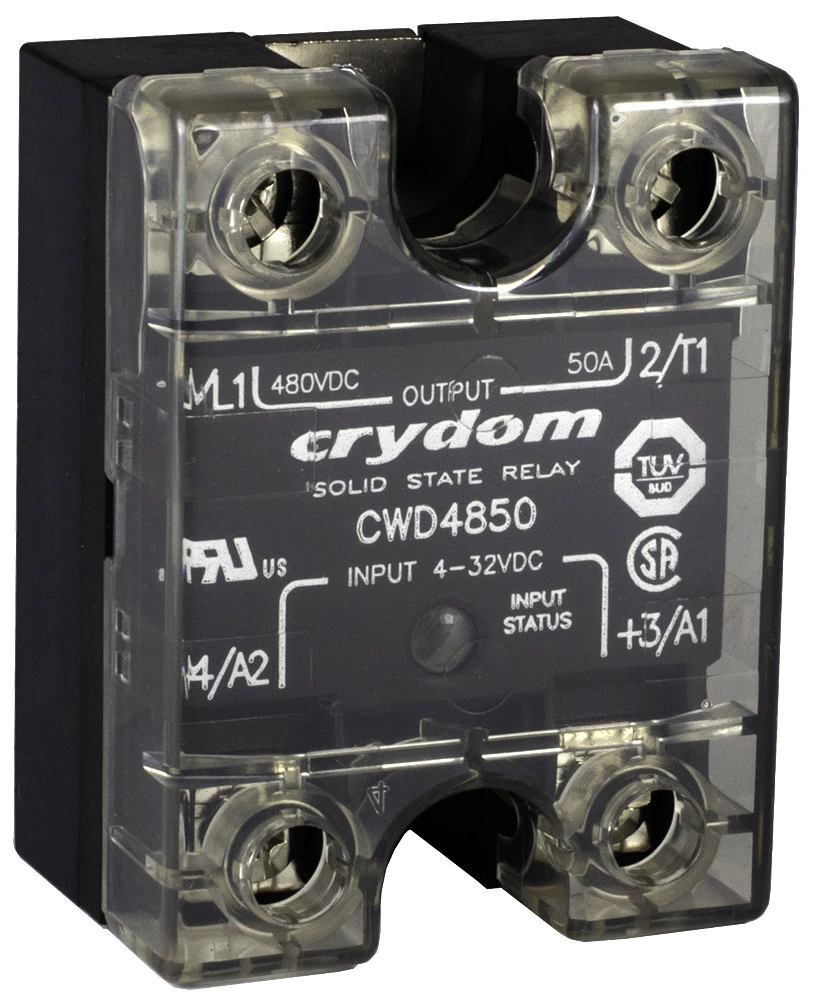
Crydom CW Panel-Mount AC Solid-State Relay (10–125 A, IP20)
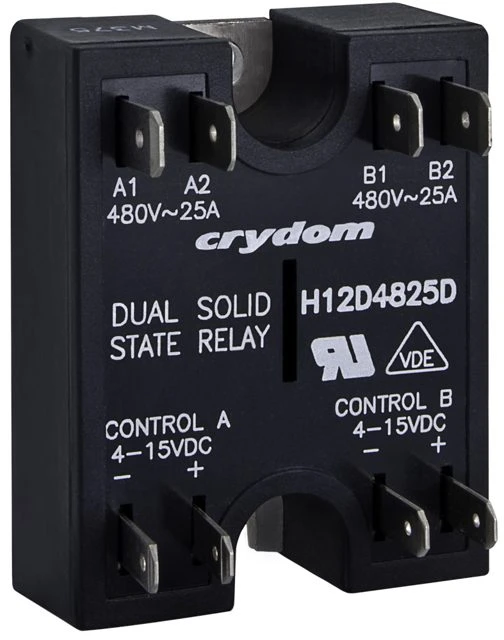
Sensata
AC solid-state relays - panel mount
Crydom H1 (H12D) Panel-Mount AC Solid-State Relay 25–125 A
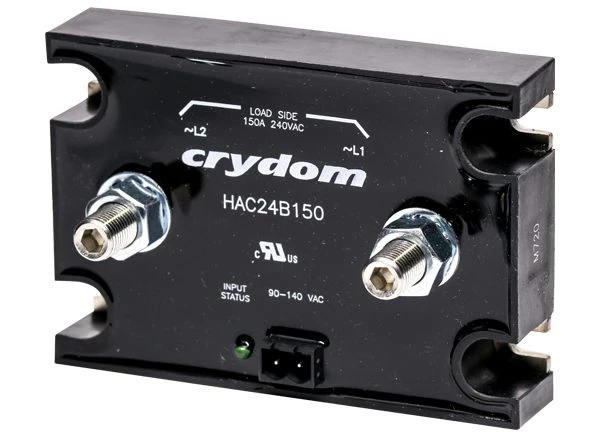
Sensata
AC solid-state relays - panel mount
Crydom HAC High-Power Panel-Mount AC Solid-State Relay 150 A
Carlo Gavazzi
Solid-state relays
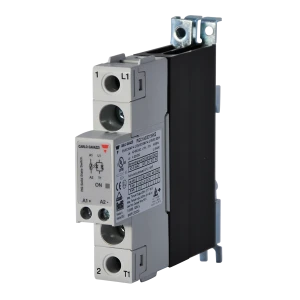
RGH

Surge protection

Mersen
Surge protection devices (SPD)
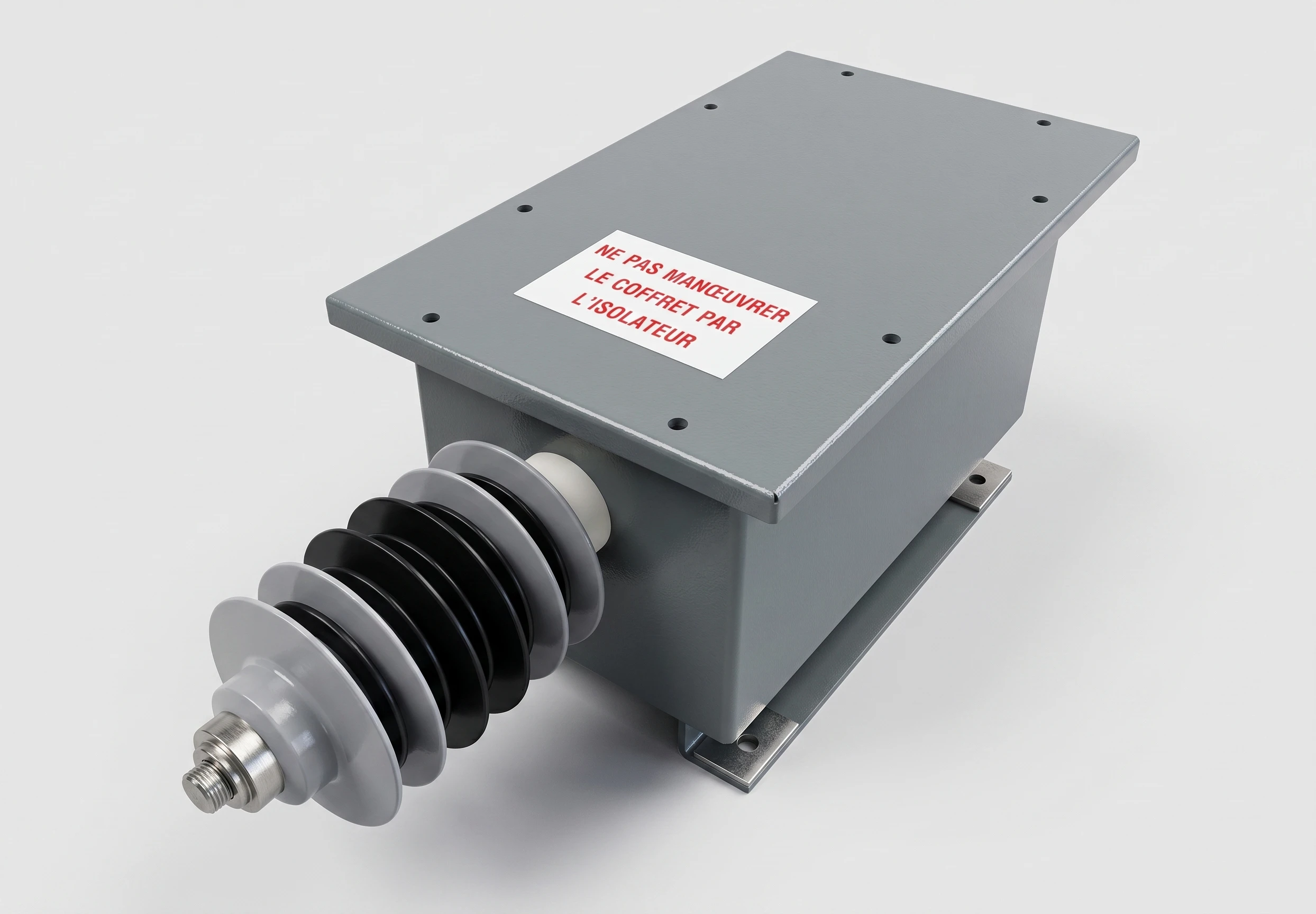
10 kA / 20 kA Traction Surge Arresters
Phoenix Contact
Surge protection devices (SPD)
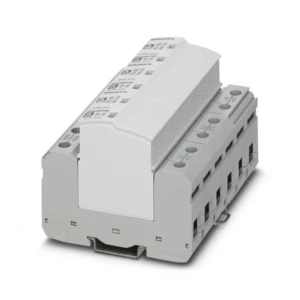
FLT-SEC - Power Supply Protection for Railway Facilities
Joslyn Clark
Medium-voltage vacuum contactors
Joslyn Clark SVC Vacuum Contactor (12 kV, capacitors, anti-surge)

Selection criteria - AC and DC traction substations

Selection criteria for this area:

  • Current type and circuit time constant - for DC circuits, interruption parameters are specified for a defined L/R time constant; equipment selected only by rated current and voltage may fail to interrupt a fault in a more inductive circuit.
  • Short-circuit rating at the installation point - the prospective fault-current value determines the equipment class; oversizing increases cost, while undersizing prevents the installation from being accepted.
  • Protection coordination - selectivity between outgoing feeders and the main protection; time-current characteristics must remain separated throughout the entire fault-current range, not only at the rated point.
  • Surge protection - SPD class and location on both AC and DC sides, energy coordination between protection stages, plus separate protection for signal circuits and data lines.
  • Insulation coordination - clearance and creepage distances according to EN 50124-1, taking into account pollution and condensation in an unattended facility.
  • Environmental conditions - temperature range, humidity and dust; equipment often operates without air conditioning.
  • Replaceability and maintenance - availability of fuse-links from stock, replacement time, and the ability to identify operation without switching off the cubicle.

Technical questions

How does selecting a fuse for a DC circuit differ from selecting one for an AC circuit?

In an AC circuit the arc is extinguished when current crosses zero. In a DC circuit there is no natural current zero, so the fuse-link must force arc extinction itself, and the energy to be dissipated increases with the circuit L/R time constant. Manufacturers therefore specify separate DC voltages and limiting currents for DC fuse-links together with the assumed time constant - AC data cannot simply be applied to DC.

Which standards apply to equipment in a traction substation?

For DC switchgear in fixed installations - EN 50123; insulation coordination - EN 50124-1; supply voltages of traction systems - EN 50163. The IEC/EN 61643 series is used for low-voltage surge protective devices. Compliance is confirmed by the datasheet or the manufacturer's declaration.

Do substation components have to comply with EN 50155?

No. EN 50155 applies to electronic equipment installed on rolling stock. Fixed installations are governed by standards applicable to stationary equipment and by relevant product standards. This distinction matters at the specification stage, because requiring EN 50155 for equipment installed in a substation unnecessarily narrows the supplier market.

How can protection selectivity in outgoing feeder cubicles be checked?

By superimposing the time-current characteristics of the outgoing-feeder protection and the upstream protection over the full range of prospective fault currents, including the let-through energy (I²t) for high-current faults. Selectivity confirmed only at rated current does not guarantee selectivity during a short circuit.