IEC 60068-2-6 - Test Fc: sinusoidal vibration

Sinusoidal vibration (Test Fc) - mechanical endurance and resonance search.

Rodzaj
Test methods and conditions
Organizacja
IEC, TC 104 Environmental conditions, classification and methods of test
Aktualne wydanie
IEC 60068-2-6:2007 (Edition 7.0, 2007-12-13; stability date 2029)
Status
current

What the test covers

The method provides a standardized procedure for determining the ability of components, equipment and other products to withstand specified severities of sinusoidal vibration. It reveals mechanical weaknesses and degradation of packaged or unpackaged specimens.

It is used to assess product acceptability, demonstrate mechanical endurance and investigate dynamic behavior (resonances). The standard allows components to be classified according to selected severity levels.

Why it matters

The test demonstrates that a specimen mounted as in service withstands harmonic vibration of specified amplitude over a specified frequency range for a specified duration without damage or loss of function. It also reveals critical frequencies (resonances).

Rolling-stock vibration is broadband random and railway standards test it using IEC 60068-2-64. An “IEC 60068-2-6” entry without frequency range, amplitude and duration does not allow severity to be assessed.

Test method

The specimen is mounted on the exciter according to IEC 60068-2-47. The control signal is taken at a reference point selected from control points on the fixture, table or specimen as close as possible to the mounting points.

Frequency is varied logarithmically, with a sweep rate of one octave per minute ±10%. Sequence: initial measurements, vibration response investigation (resonance search), endurance by sweeping over the specified frequency range or endurance at fixed frequencies (critical or predetermined), intermediate measurements, recovery and final measurements.

Amplitude is specified as displacement below the crossover frequency and acceleration above it; the standard’s nomograms use crossover frequencies of 8–10 Hz and 58–62 Hz. Amplitude tolerance at the reference point is ±15%, at control points ±25% up to 500 Hz and ±50% above 500 Hz; transverse motion does not exceed 50% of the specified amplitude up to 500 Hz and 100% above.

Severity consists of frequency range, amplitude (displacement/acceleration) and duration (number of sweep cycles or time), selected by the product specification.

Parameters and severities

  • frequency range (lower and upper frequency)
  • displacement amplitude below crossover frequency and acceleration amplitude above it
  • crossover frequency: 8–10 Hz or 58–62 Hz (nomograms)
  • sweep rate: 1 octave/min ±10%
  • endurance duration: number of sweep cycles or time at fixed frequency
  • number of test axes
  • amplitude tolerance: ±15% (reference point), ±25%/±50% (control points up to/above 500 Hz)
  • frequency tolerance during sweep: ±0.05 Hz up to 0.25 Hz; ±20% 0.25–5 Hz; ±1 Hz 5–50 Hz; ±2% above 50 Hz

What to check in the datasheet

Check the frequency range (Hz), amplitude (mm or m/s² / g), duration or number of sweep cycles and number of axes; only this complete set has comparative value. For rolling-stock equipment, IEC 61373 (ed. 3.0, 2026) normatively references IEC 60068-2-27, IEC 60068-2-47 and IEC 60068-2-64 (random vibration); an IEC 60068-2-6 statement does not replace IEC 61373 testing.

Related standards

Equipment protection circuit breakers

Phoenix Contact
Equipment circuit breakers
CBM E4 and E8 - Multi-Channel Circuit Breakers
Phoenix Contact
Equipment circuit breakers
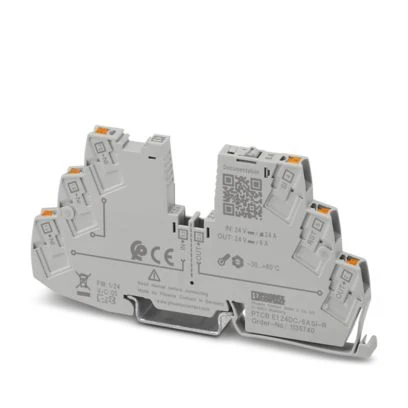
PTCB E1 - Electronic Circuit Breakers

Sensors, transducers and measurement

Sensata
Encoders
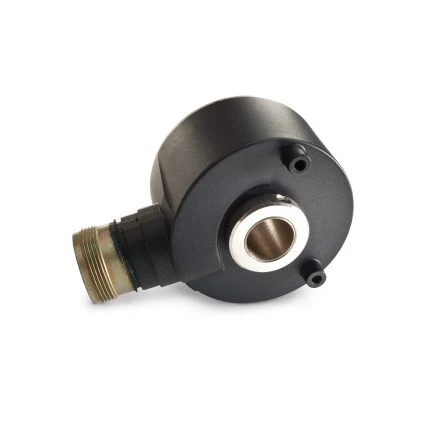
Sensata/BEI DHO5
Sensata
Encoders
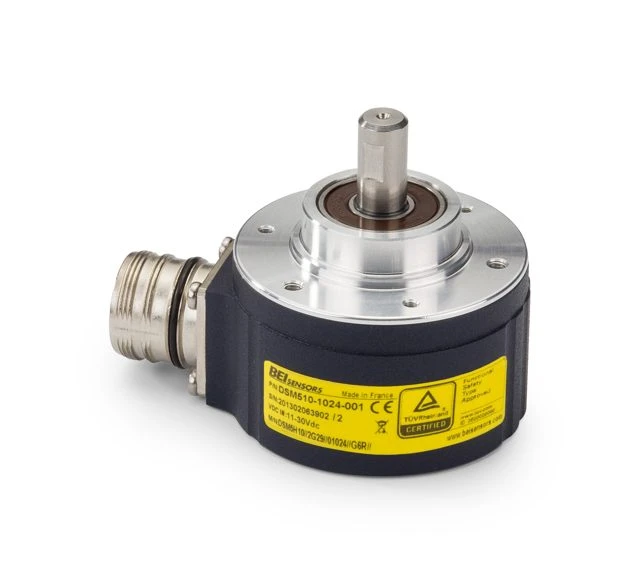
Sensata/BEI DSK5H/DSM5H Safety Incremental Encoder (SIL3, PLe)
Sensata
Encoder signal splitters
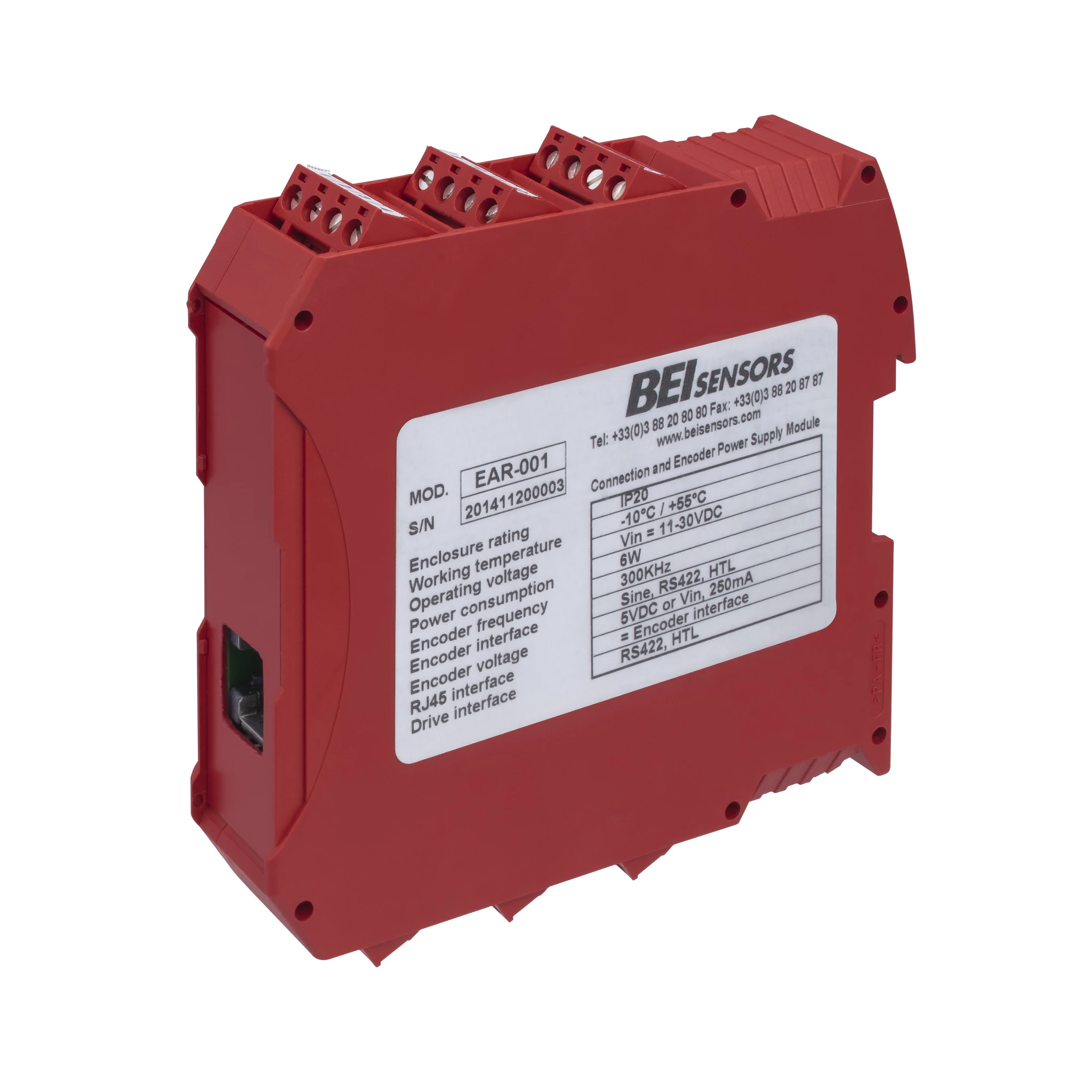
Sensata/BEI EAR-001/EAR-002 Encoder Signal Splitter (SIL3, PLe)
Sensata
Encoders
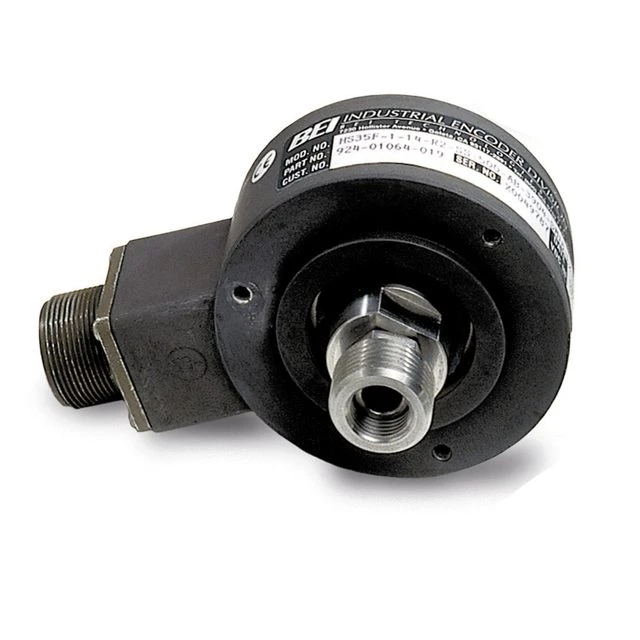
Sensata/BEI HS35 Encoder (3.5" Hollow Shaft, Incremental and Absolute, Ex Option)
Sensata
Encoders
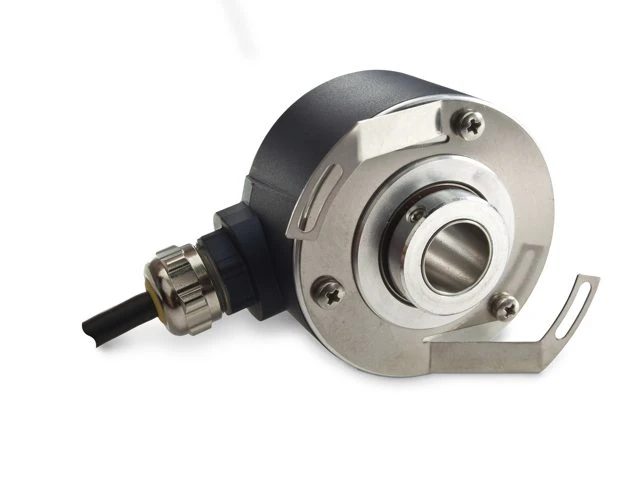
Sensata/BEI PHO5 Multiturn Absolute Encoder (Ø14 mm Through Hollow Shaft, SSI)

Solid-state relays

Sensata
DC solid-state relays
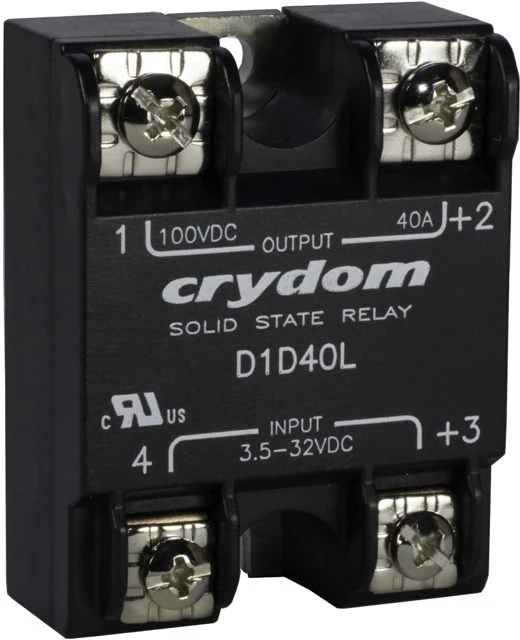
Crydom 1-DC (D1D) DC Solid-State Relay 100 A
Sensata
Three-phase AC solid-state relays
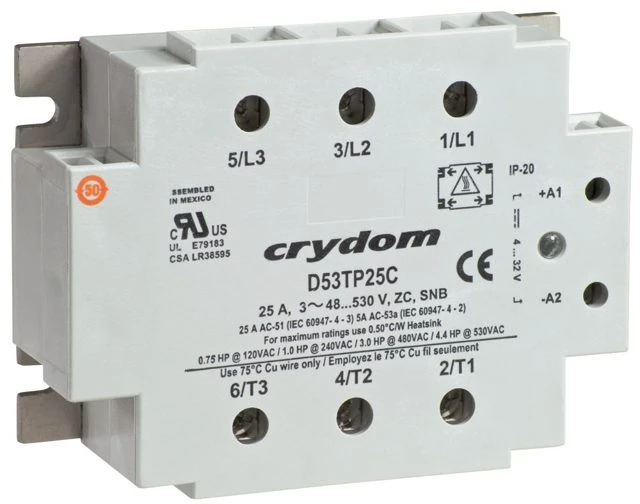
Crydom 53TP 3-Phase AC Solid-State Relay (IP20, 25/50 A)
Sensata
AC solid-state relays - panel mount
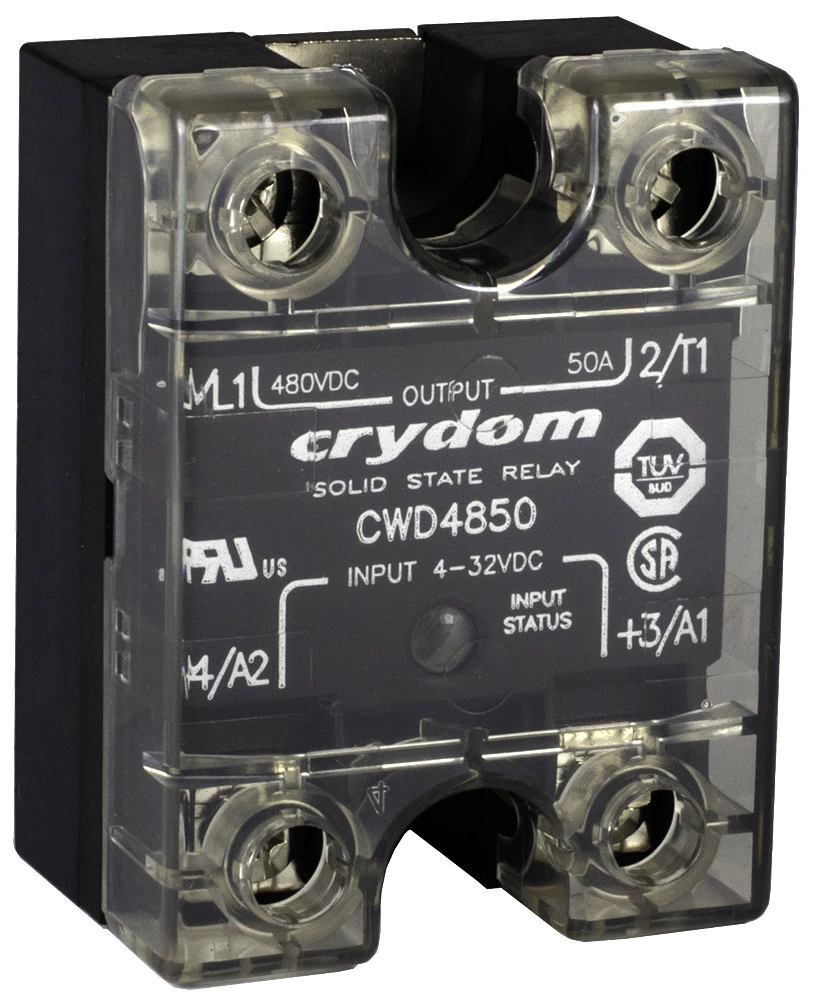
Crydom CW Panel-Mount AC Solid-State Relay (10–125 A, IP20)
Sensata
DC solid-state relays
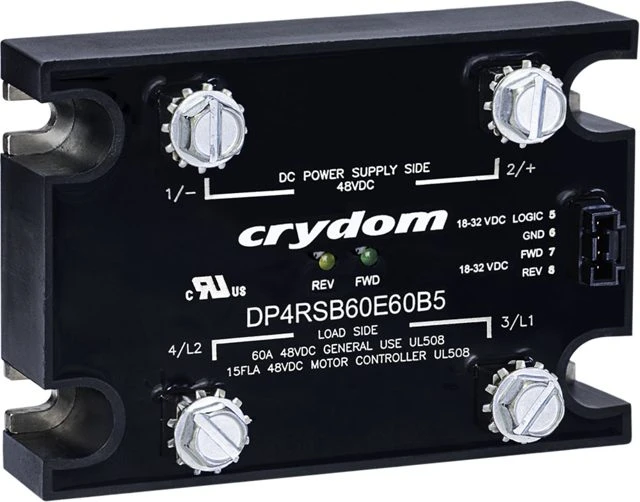
Crydom DP (DP4R60) Reversing DC Solid-State Contactor 20–60 A
Sensata
Three-phase AC solid-state relays
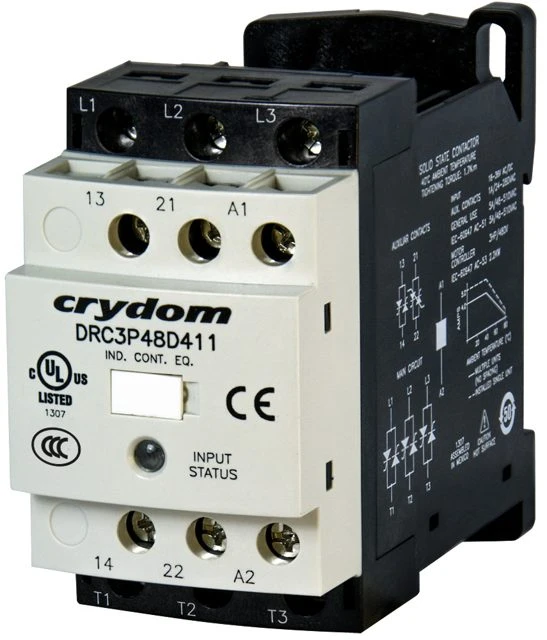
Crydom DRC3 3-Phase AC Solid-State Contactor (up to 600 V)
Sensata
AC solid-state relays - panel mount
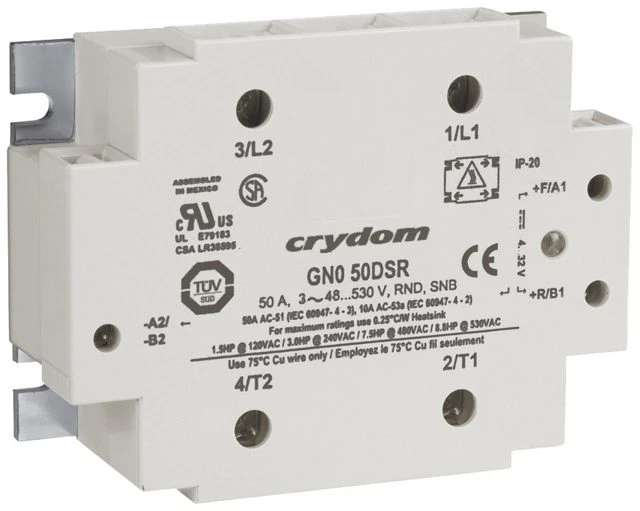
Crydom GN0 Panel-Mount AC Solid-State Relay (25/50 A)
Sensata
AC solid-state relays - panel mount
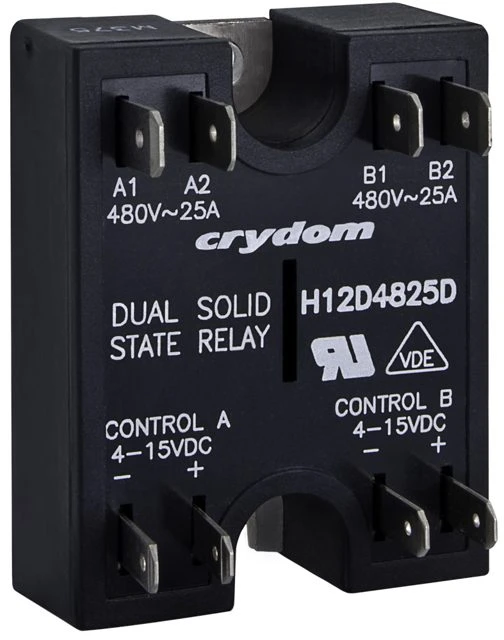
Crydom H1 (H12D) Panel-Mount AC Solid-State Relay 25–125 A
Sensata
AC solid-state relays - DIN rail
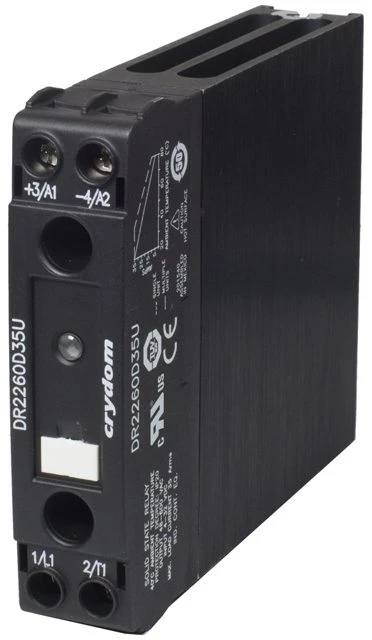
Crydom NOVA22 DR22 DIN-Rail AC Solid-State Relay (up to 35 A/600 V)
Sensata
AC solid-state relays - panel mount
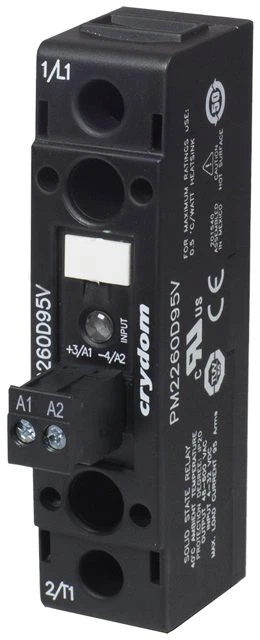
Crydom NOVA22 PM22 AC Solid-State Relay (up to 95 A/600 V)
Sensata
AC solid-state relays - panel mount
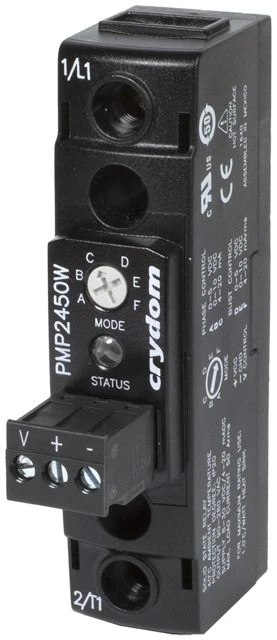
Crydom PMP Proportional AC Solid-State Relay (25–90 A)
Sensata
AC solid-state relays - panel mount
Crydom Series 1 Panel-Mount AC Solid-State Relay (10–125 A, 24–530 VAC)
Sensata
AC solid-state relays - DIN rail
Crydom SeriesOne DR ATEX DIN-Rail Solid-State Relay (Zone 2)
Sensata
AC solid-state relays - DIN rail
Crydom SeriesOne DR Timer DIN-Rail Time-Delay Solid-State Relay