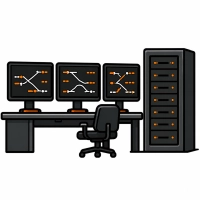
Dispatch centres and technical rooms

Dispatch centres and technical rooms

A central traction-power control room remotely controls substations, sectioning cabins and line disconnectors; the dispatcher sees a schematic of the facilities, performs switching operations by computer, and status confirmation returns through a telecommunications cable or fibre-optic link. Equipment status indication is standardized by colour and sound: green - closed, flashing red with a bell - tripped, steady red - acknowledged, orange with a buzzer - ready to close. Similar control centres handle railway traffic, train-announcement and dispatch communications, public-address systems and clocks.

The technical rooms in these facilities are designed in accordance with PKP PLK instruction Ie-116: 19-inch or 21-inch cabinets up to 42 U with 8 U of spare capacity, a lock, sealing provision and door-opening sensor; a filter-and-fan panel with two temperature-controlled fans; a telecommunications power system with a 48 V DC battery providing 8 hours of backup and an electronic bypass; redundant rack-mounted power supplies; dual processors and duplicated switching fabric; and a voice recorder with two mirrored disks and GPS/DCF77/NTP time synchronization. Environmental requirements are +5…+35 °C and 30–75% humidity in rooms free of dust and corrosive gases; system MTBF must be at least 10,000 h, with a 15-year operating life.

Equipment used in this area includes: 19-inch cabinets with enhanced EMC and seismic resistance, chassis, subracks and panels, protected power-distribution units, rack circuit breakers, 48 V DC power supplies and uninterruptible power supplies, meters and network analysers for auxiliary-power systems, signalling relays, solid-state relays for heating and ventilation, OT cybersecurity devices, fibre-optic boxes, terminal blocks and marking systems.

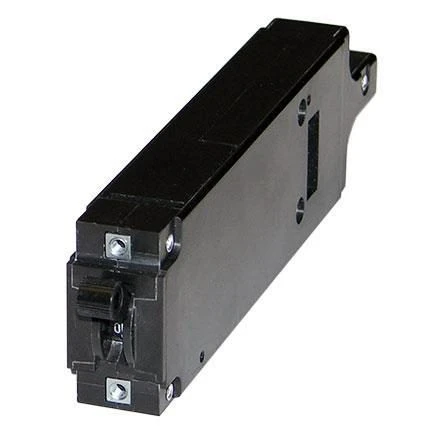
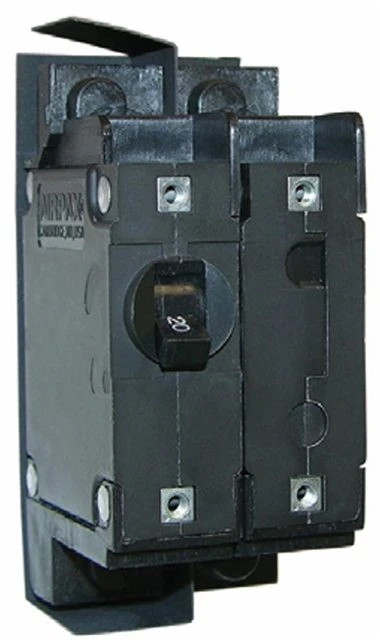
Airpax hydraulic-magnetic circuit breakers

Sensata
Hydraulic-magnetic circuit breakers - for 19-inch racks and PDU strips
Airpax IAR/IUR/IER/CUR/CER 1U Rack Circuit Breaker
Sensata
Hydraulic-magnetic circuit breakers - for 19-inch racks and PDU strips
Airpax LEGA Rail-Mount Circuit Breaker

Connectors

Phoenix Contact
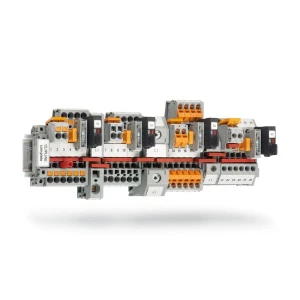
CLIPLINE complete DIN-rail terminal blocks
CLIPLINE complete - DIN-Rail Terminal Blocks (PT/PTV/ST)

Contactors and relays

Hengstler
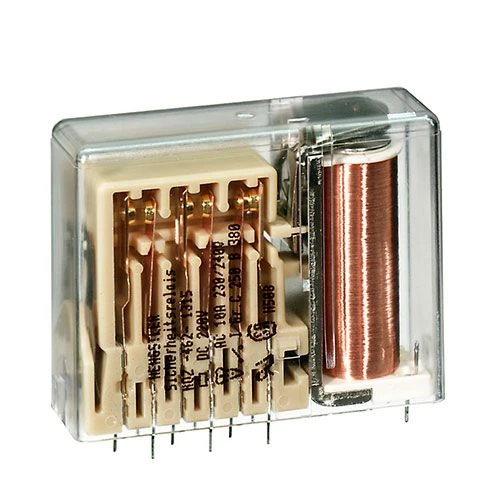
Signal relays (4/6 contacts)
H-462 - Signal Relay (4 or 6 contacts)
Hengstler
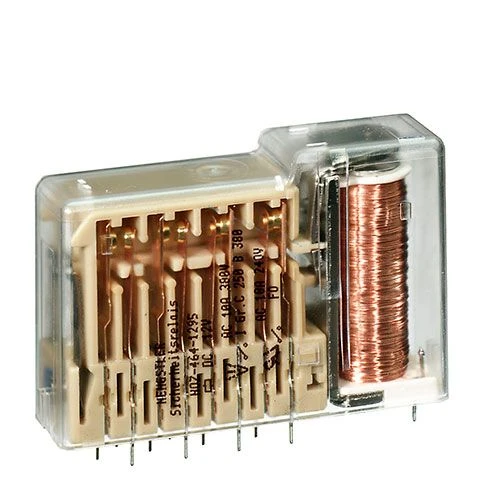
Signal relays (8/10 contacts)
H-464 - Signal Relay (8 or 10 contacts)
Hengstler
Flat relays (4-10 contacts)
H-466 - Flat Relay (4–10 contacts)
Hengstler
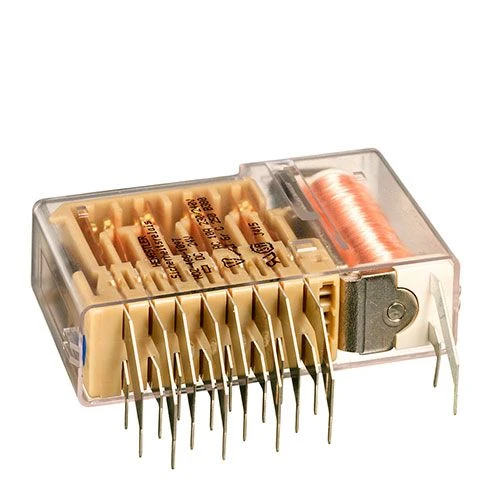
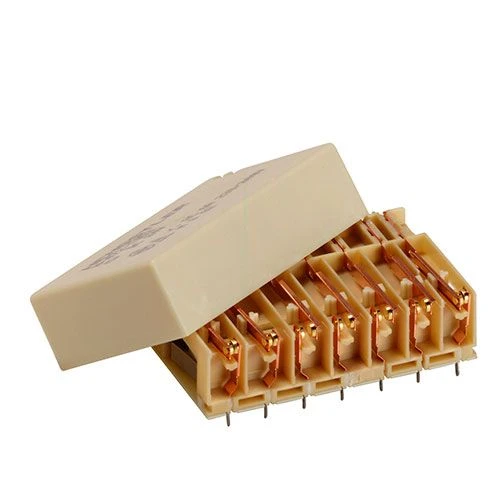
Low-profile PCB relays (7 contacts)
H-472 - Low-Profile PCB Relay (7 contacts)
Hengstler
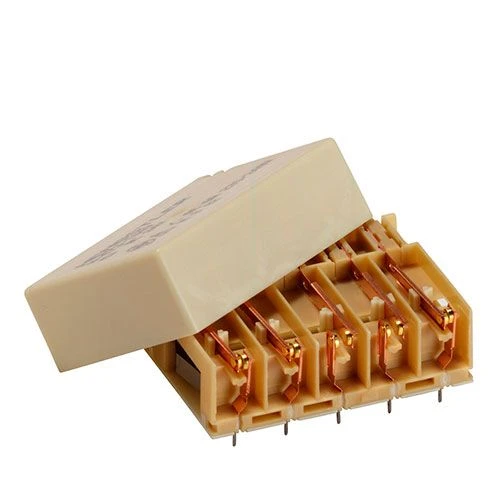
Low-profile PCB relays (5 contacts)
H-473 - Low-Profile PCB Relay (5 contacts)

DC power distribution

Sensata
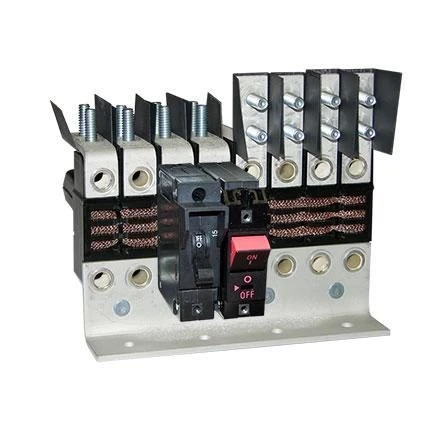
Modular DC power distribution system
Airpax MDS2 Modular DC Distribution System (273)

Enclosures and cabinets

nVent Schroff
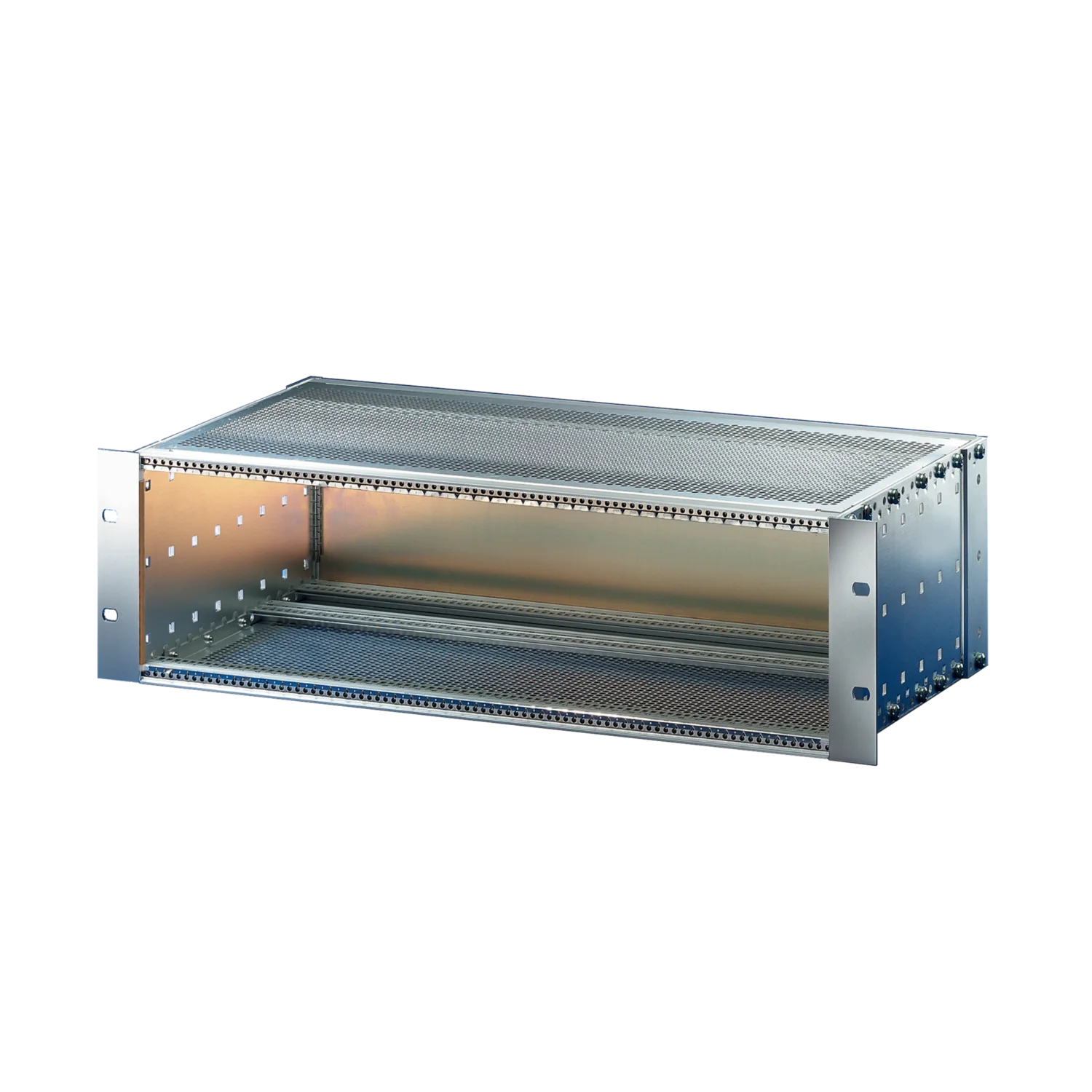
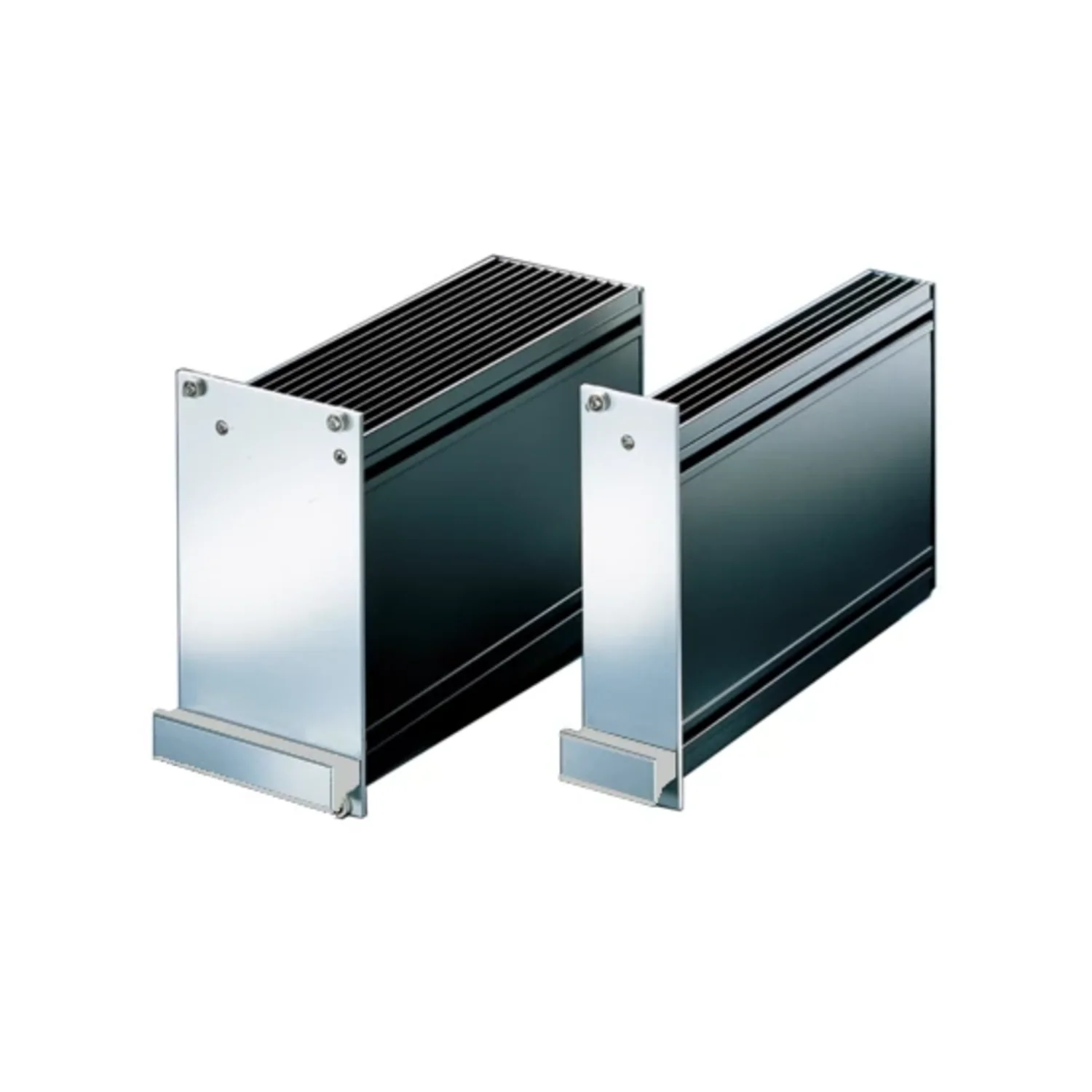
EuropacPRO subracks
EuropacPRO Subrack - Standard Version
nVent Schroff
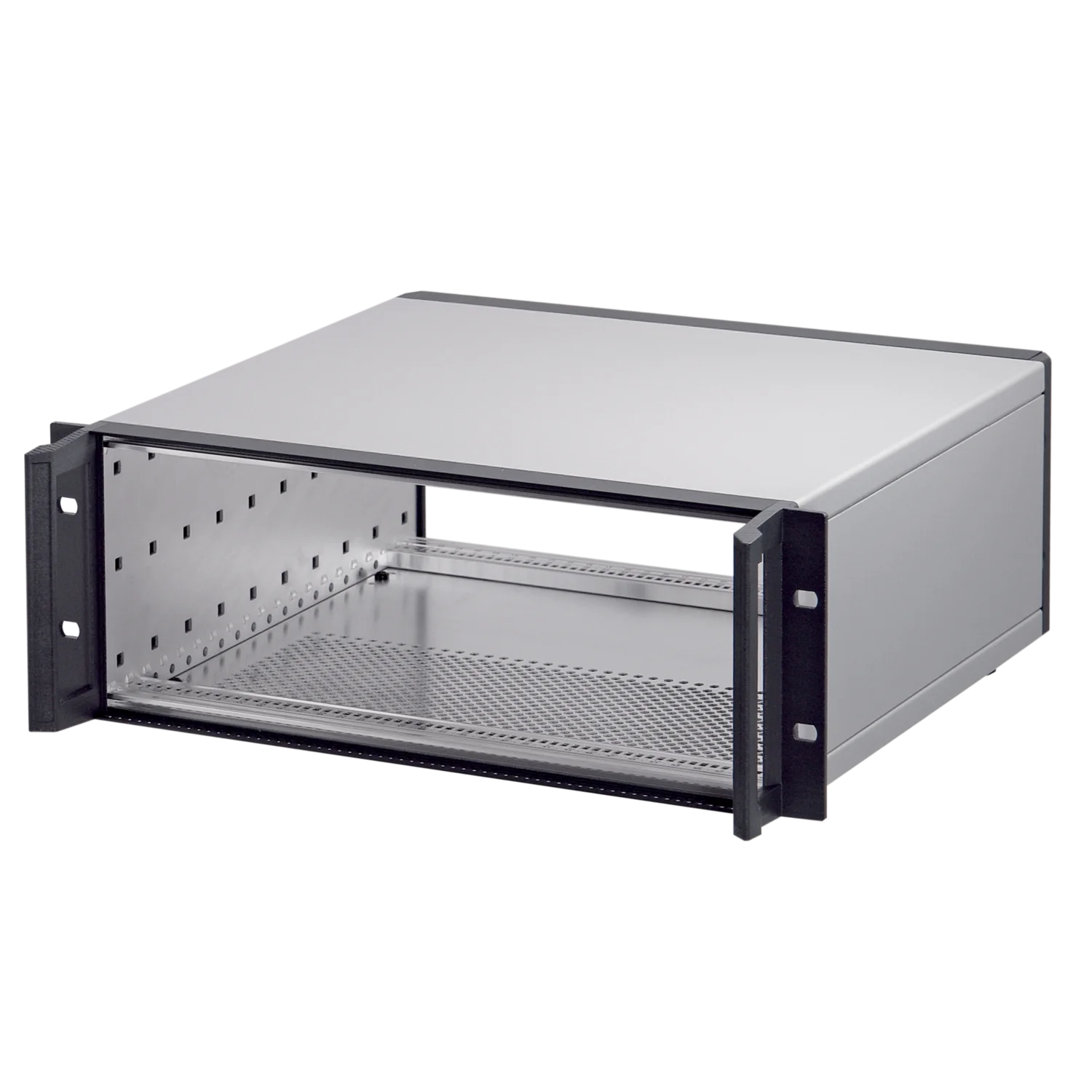
19-inch enclosures
General-Purpose 19" Enclosures (RatiopacPRO, Inpac, Interscale, MultipacPRO)
nVent Schroff
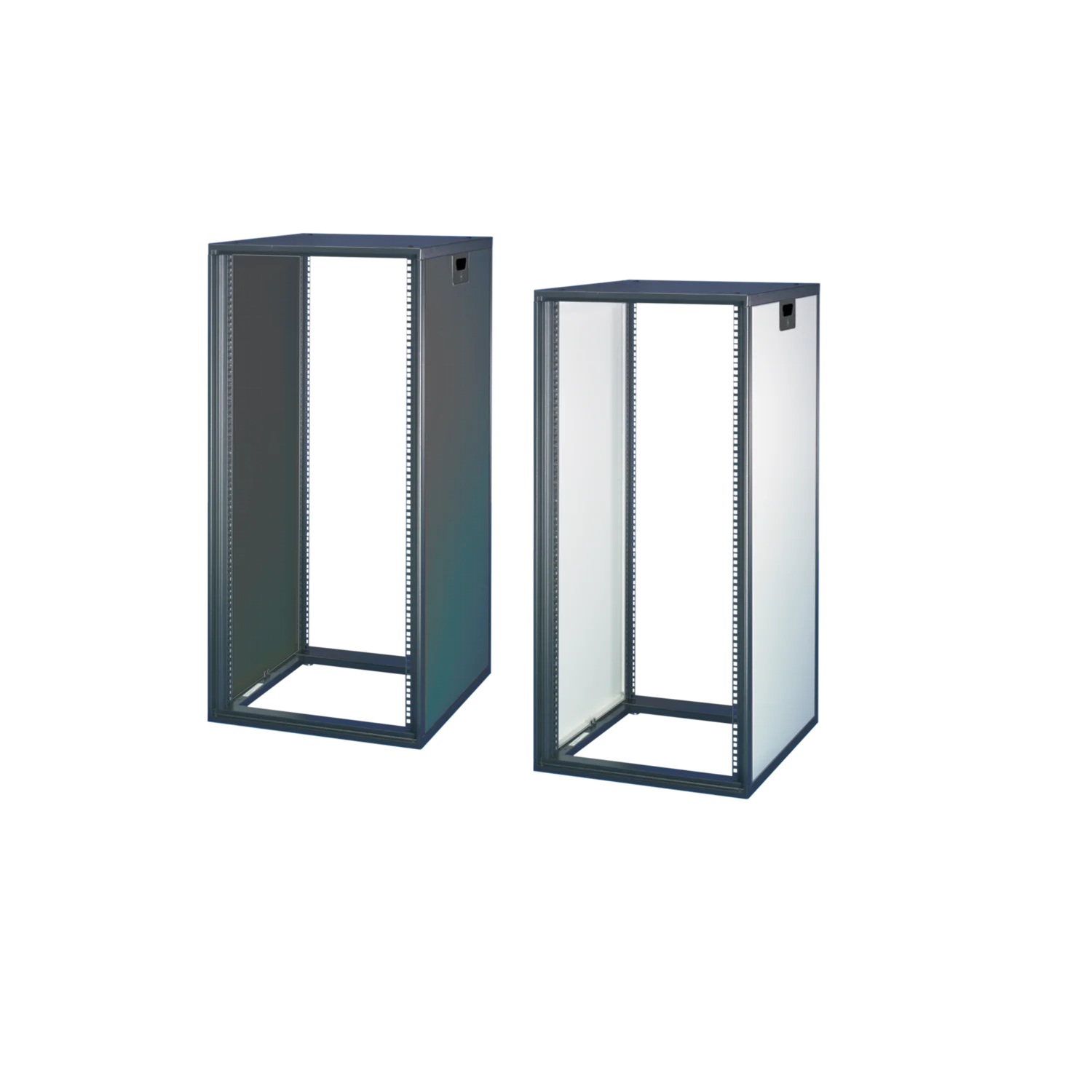
Multifunction cabinets
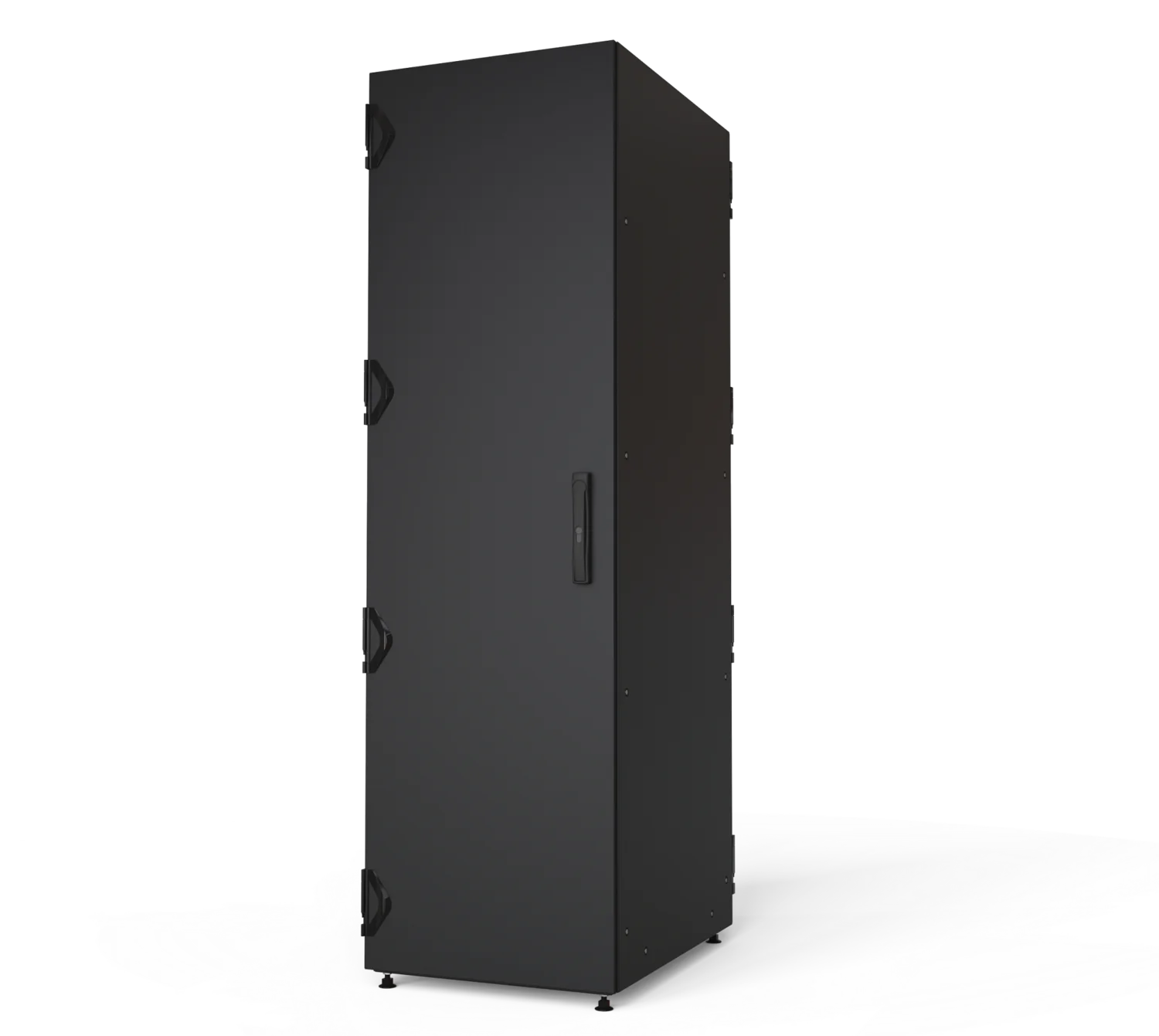
Multifunction Cabinets without Railway Certification (Varistar CP / Novastar)
nVent Schroff
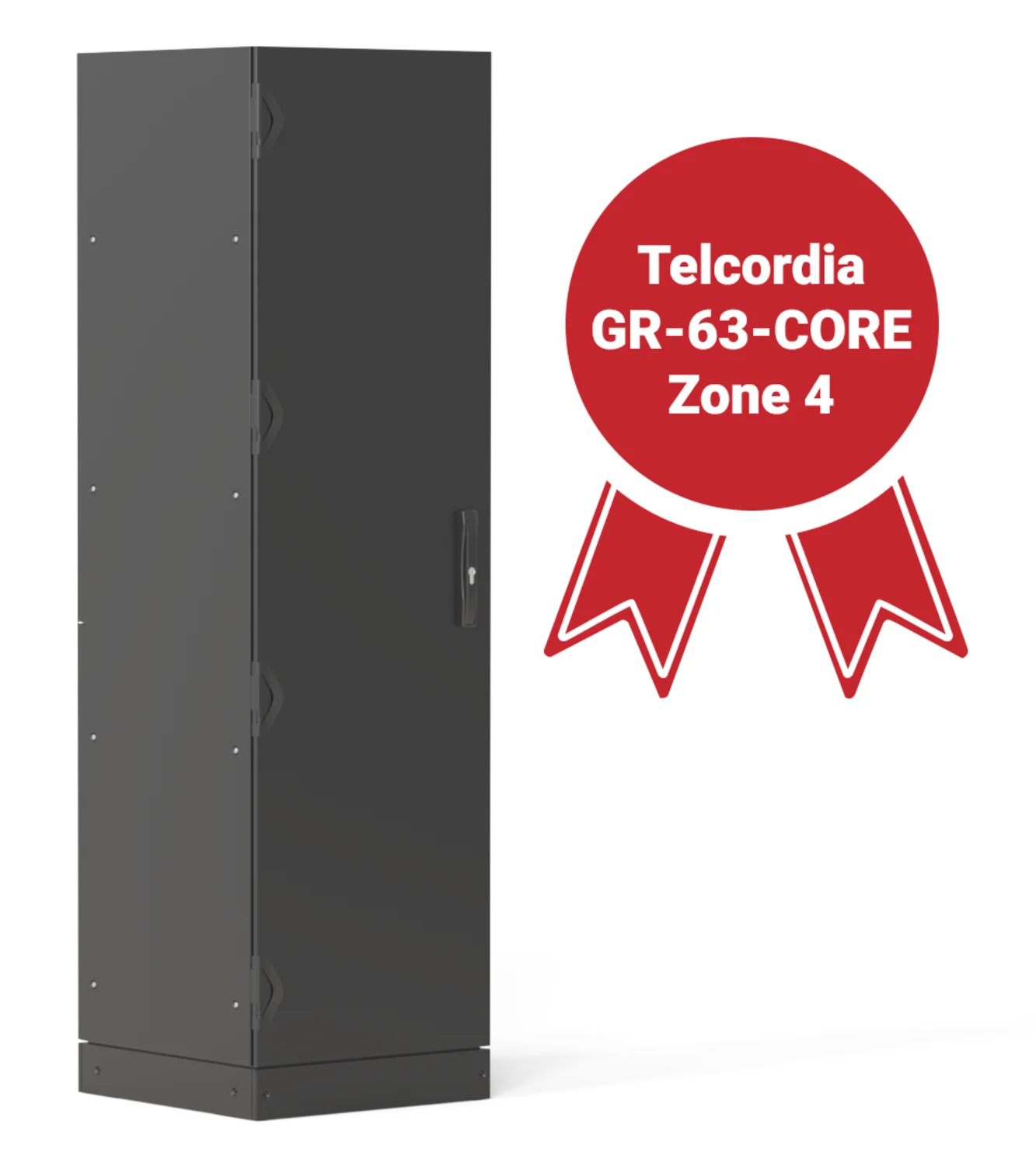
Seismic cabinets
Varistar CP Cabinet - Seismic Version
nVent Schroff
EMC and signaling cabinets
Varistar CP EMC & Signaling Cabinet

Equipment protection circuit breakers

Phoenix Contact
Equipment circuit breakers
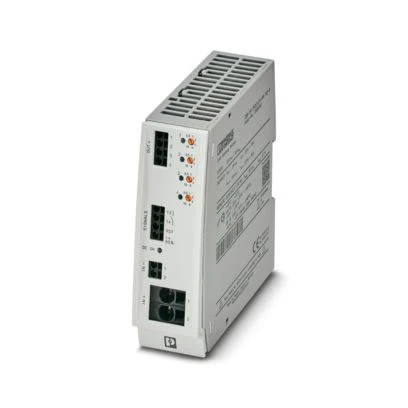
CBM E4 and E8 - Multi-Channel Circuit Breakers
Phoenix Contact
Equipment circuit breakers
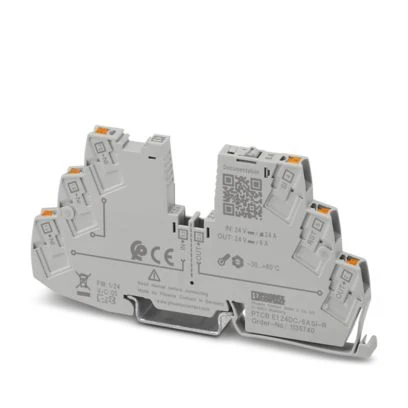
PTCB E1 - Electronic Circuit Breakers

Fibre optic boxes

Phoenix Contact
Fiber-optic distribution boxes
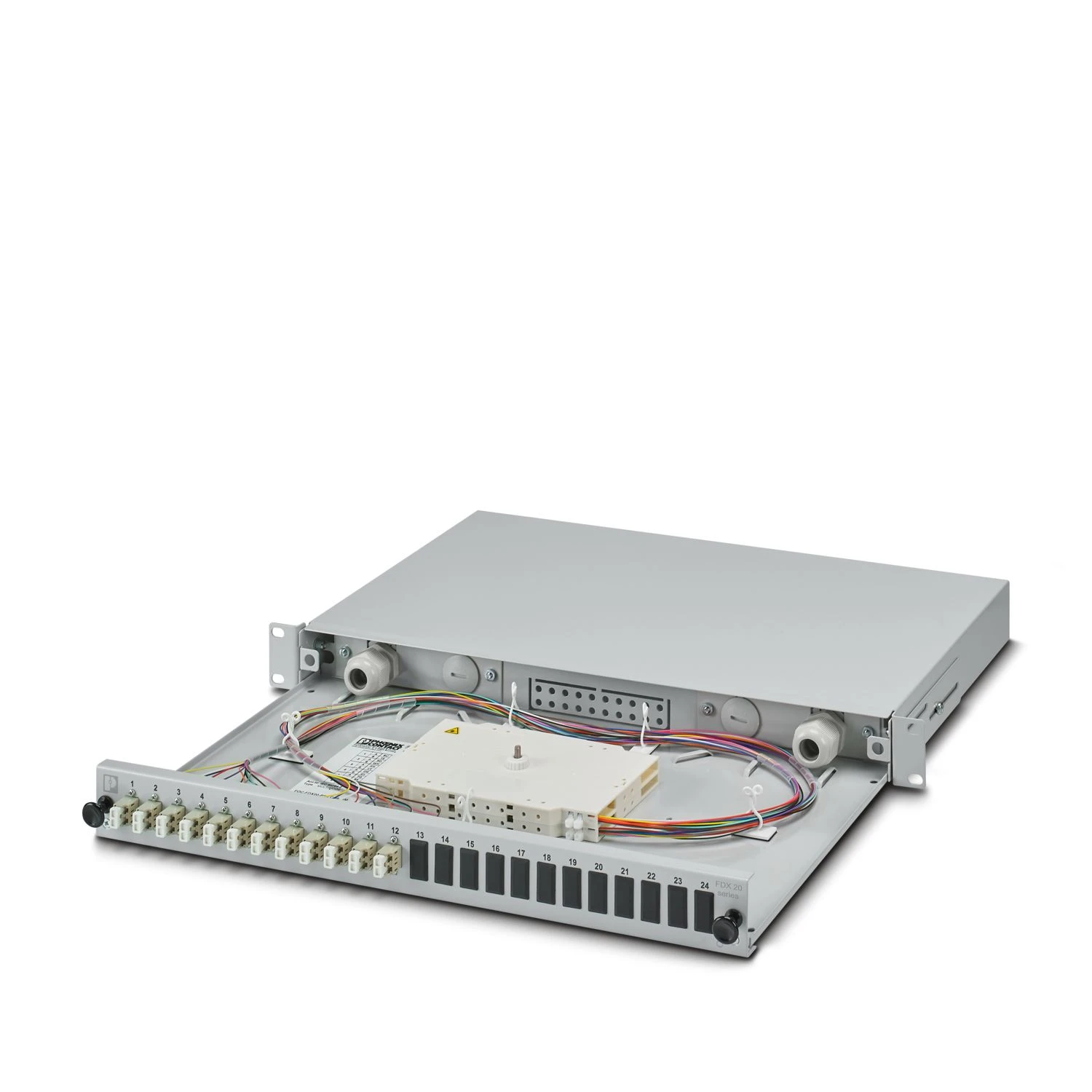
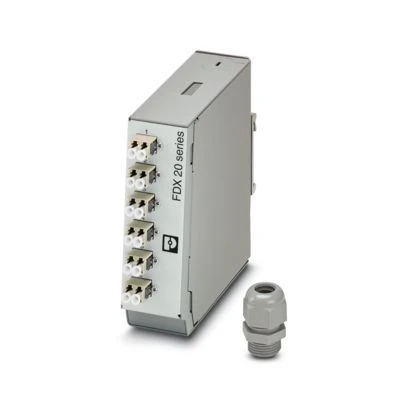
19" Rack-Mount Fiber Optic Boxes
Phoenix Contact
Fiber-optic distribution boxes
DIN-Rail Fiber Optic Boxes

Marking and labelling

Phoenix Contact
Marker printers
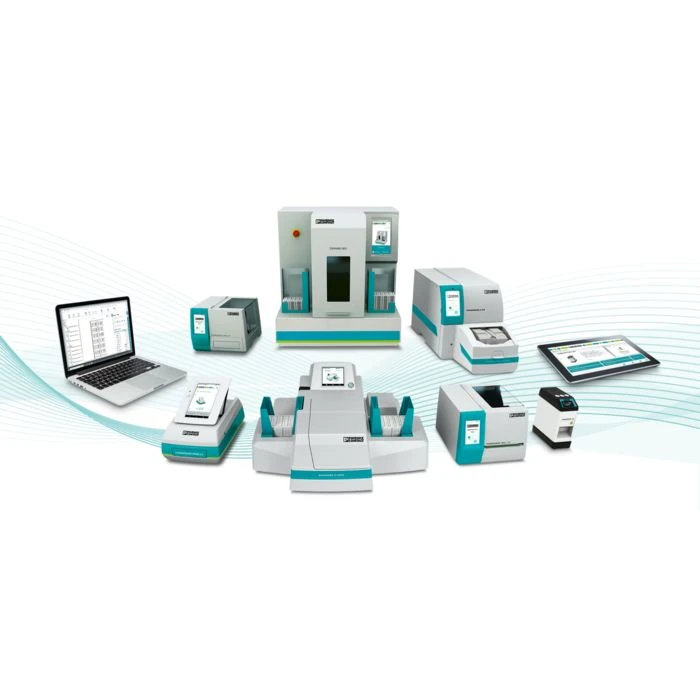
Marker Printing Systems
Phoenix Contact
Markers for terminal blocks, wires and devices
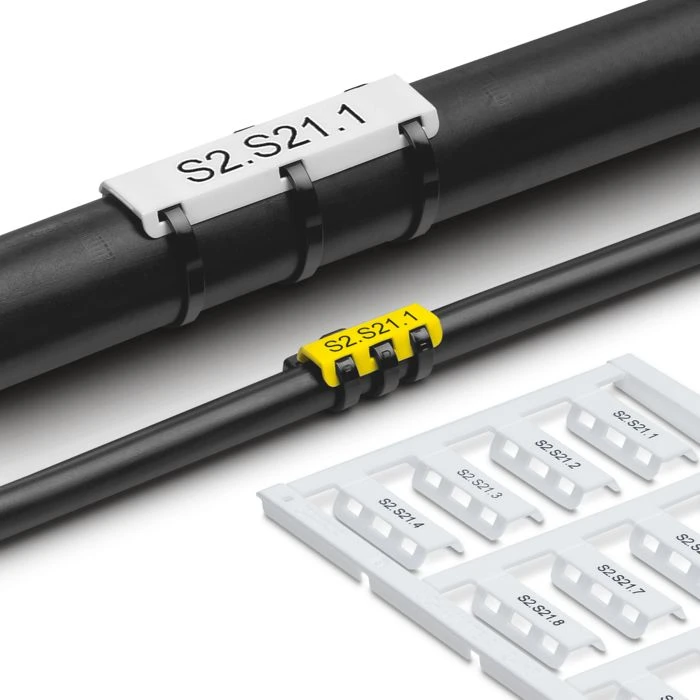
UniCard Markers (UC / UCT)

Networking and cybersecurity

Phoenix Contact
OT cybersecurity
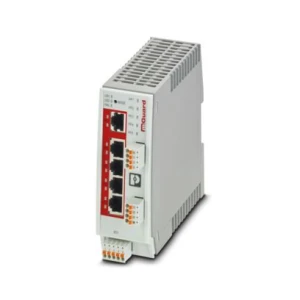
FL MGUARD

Other components

nVent Schroff
19-inch chassis
19" Plug-In Unit Chassis
nVent Schroff
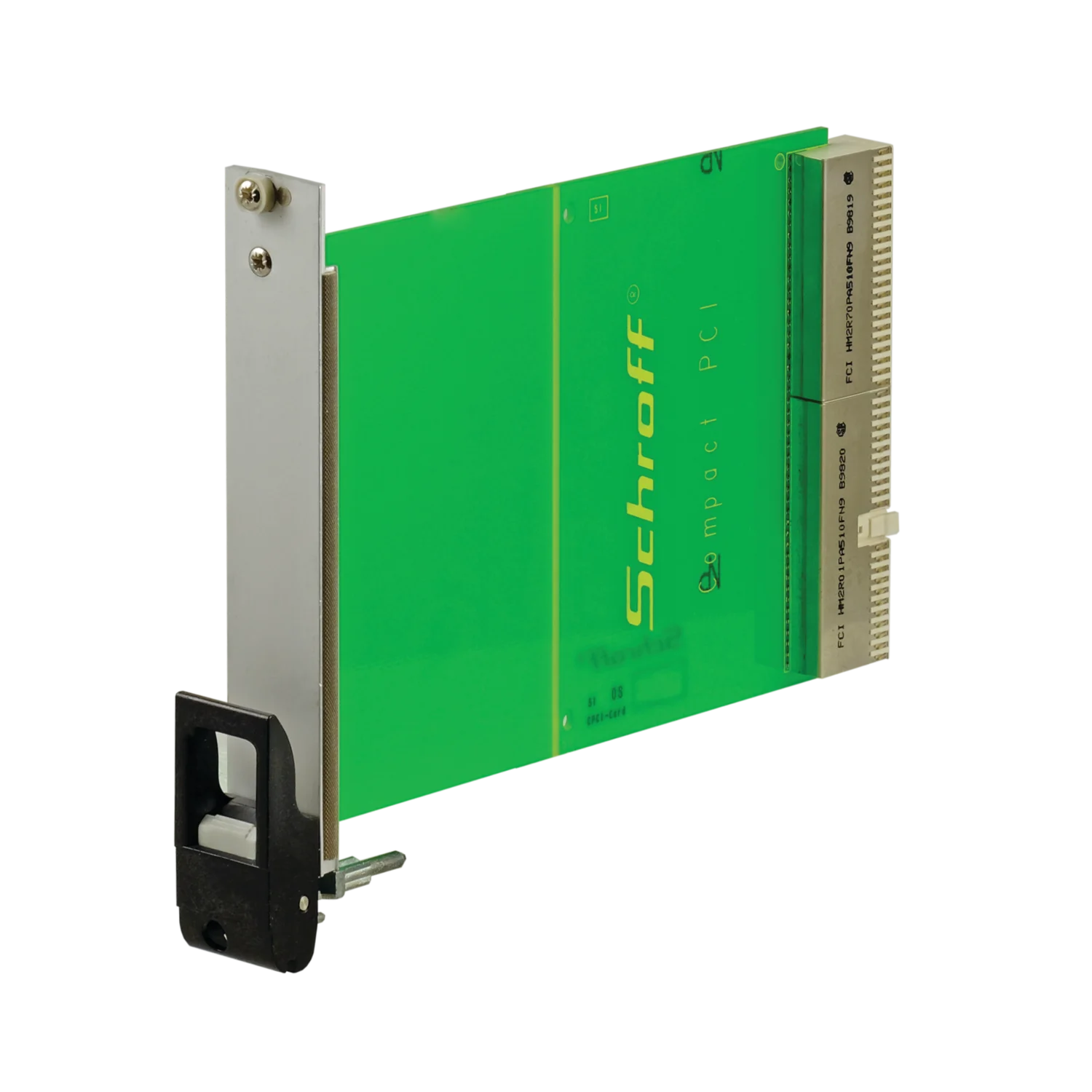
Front panels and plug-in modules
Front Panels and Plug-In Units

Power supplies and converters

Phoenix Contact
AC/DC switching power supplies
QUINT POWER AC/DC
Phoenix Contact
DC/DC converters
QUINT POWER DC/DC

Relays

Phoenix Contact
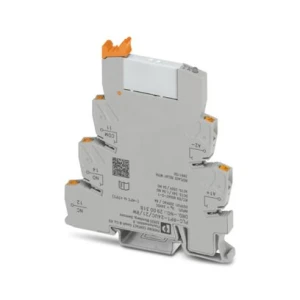
PLC-INTERFACE relay modules
PLC-INTERFACE - Electromechanical Relays
Phoenix Contact
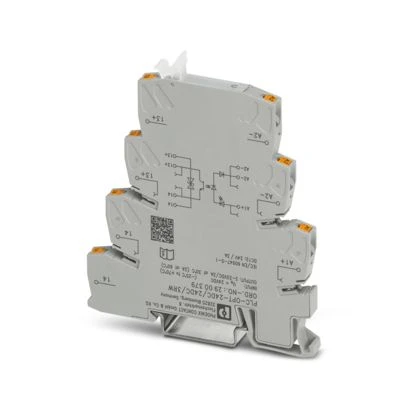
PLC-INTERFACE relay modules
PLC-INTERFACE - Solid-State Relays

Sensors, transducers and measurement

Carlo Gavazzi
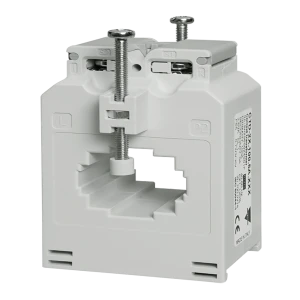
Current transformers
CTD / CTA Series
Carlo Gavazzi
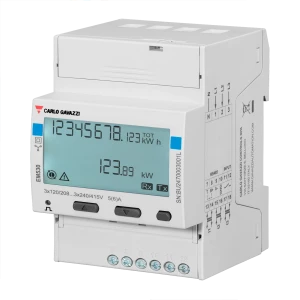
Energy meters
EM530 / EM540
Carlo Gavazzi
Power analyzers
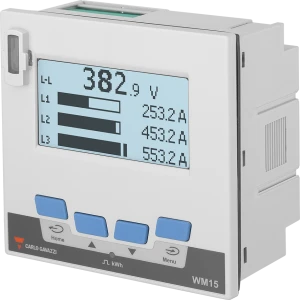
WM15
Carlo Gavazzi
Power analyzers
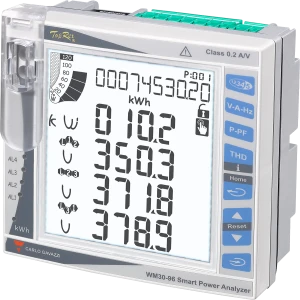
WM20 / WM30 / WM40

Short-circuit protection and fuses

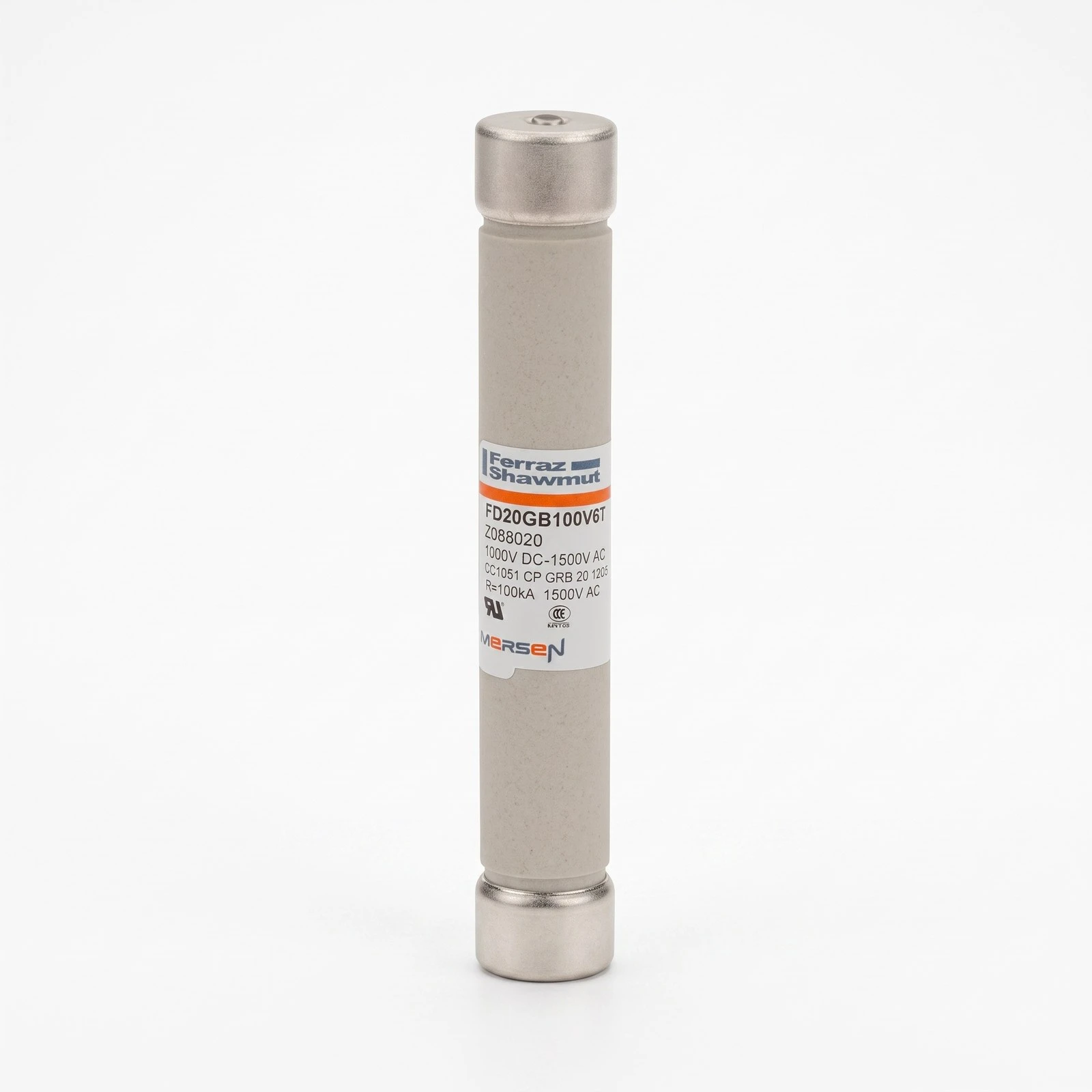
Mersen
Auxiliary DC fuses
Protistor® Size 20x127 gR and 20x190 gRC 1000–1500 V DC

Solid-state relays

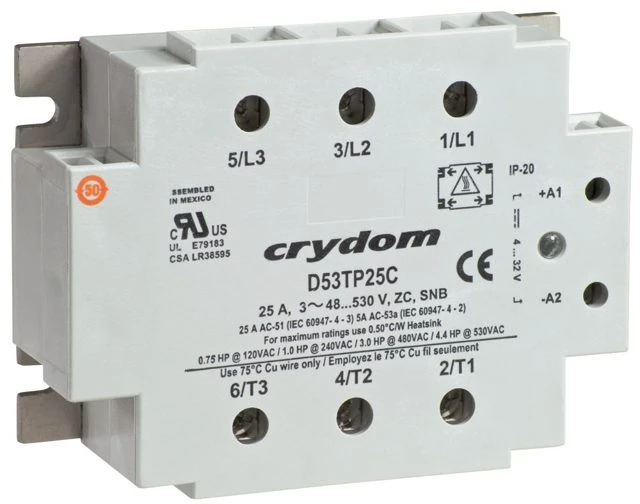
Sensata
Three-phase AC solid-state relays
Crydom 53TP 3-Phase AC Solid-State Relay (IP20, 25/50 A)
Sensata
AC solid-state relays - panel mount
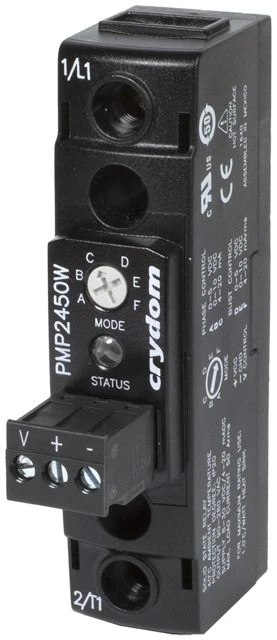
Crydom PMP Proportional AC Solid-State Relay (25–90 A)

Surge protection

Phoenix Contact
Surge protection devices (SPD)
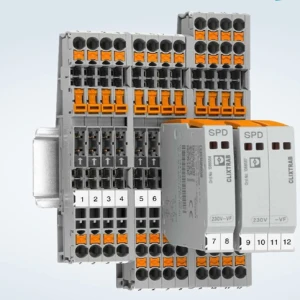
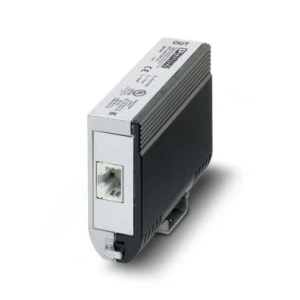
CLIXTRAB - Signal Circuit Protection
Phoenix Contact
Surge protection devices (SPD)
Data Line and Antenna Line Protection
Phoenix Contact
Surge protection devices (SPD)
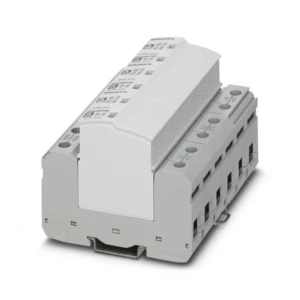
FLT-SEC - Power Supply Protection for Railway Facilities
Mersen
Surge protection devices (SPD)
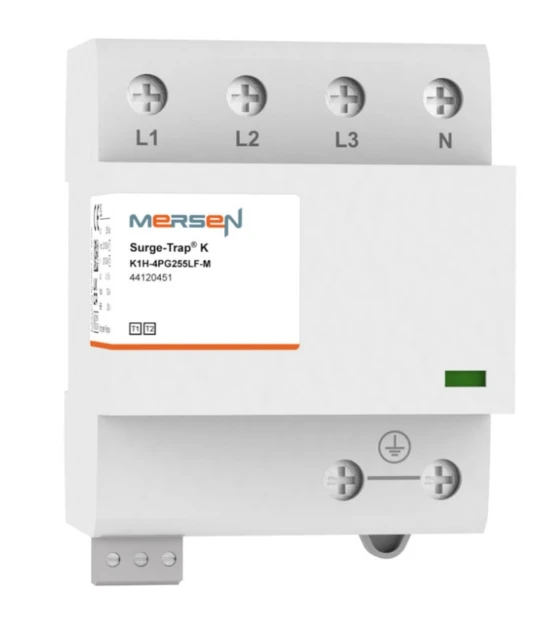
Surge-Trap® K1H-4PG255LF-M (SPD Type 1+2, 3+1, 230/400 V AC)

Tools

Phoenix Contact
Hand tools and automatic tooling
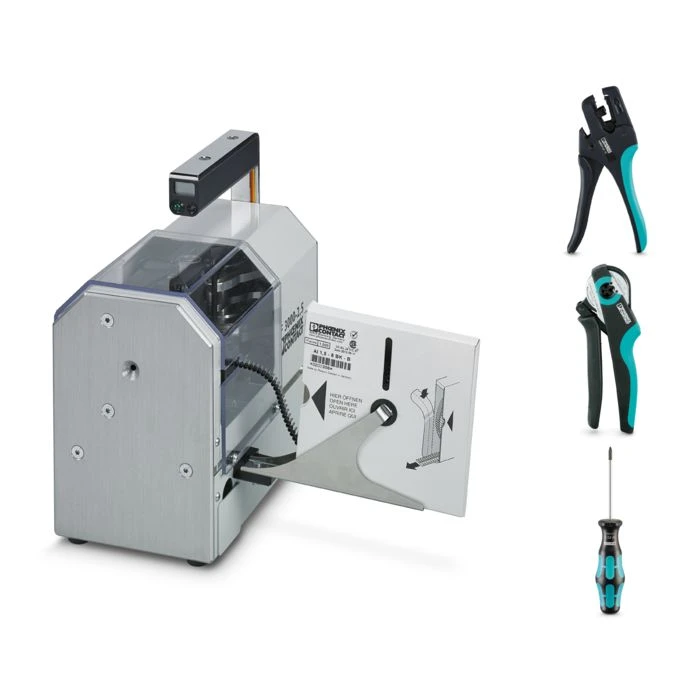
Assembly Tools and Automatic Machines

Selection criteria - Dispatch centres and technical rooms

Selection criteria for this area:

  • Power-supply continuity - 48 V DC battery backup for at least 8 h, 10-year battery life, equipment operation over 43–57 V DC, and uninterrupted bypass; power supplies and UPS units sized for full load plus simultaneous charging of a discharged battery.
  • Redundancy - every critical element duplicated (processor, switching fabric, rack power supplies, recorder disks); power distribution in the cabinet uses separate protective devices for each redundant half.
  • 48 V positive pole earthed - polarity of protective devices, SPDs and isolators must match the telecommunications power system.
  • EMC and isolation - immunity according to PN-EN 50121-4 and PN-EN 61000-6-2; EMC cabinets for signalling electronics; surge protection at the distribution frame for all copper links.
  • Cabinet mechanics - 19"/21", up to 42 U with 8 U spare capacity, panel replacement without rear access, door sensor and sealing; seismic version where required by the location.
  • Room climate - +5…+35 °C, filtered fan panel with replaceable filters; marginal operation at 0…+45 °C limited to 24 continuous hours and 240 hours per year.
  • Life cycle and service - MTBF ≥10,000 h, parts and service availability for 15 years, warranty ≥24 months; labelling that supports maintenance by future teams.

  • Operator indication - red/green/orange colours, steady and flashing signals, 800 Hz audible indication; signalling relays and indicator lamps consistent with this convention.

Technical questions

How many facilities are controlled by one traction power control centre?

According to available descriptions, the PKP network includes 19 remote traction power control centres, 444 traction substations (342 remotely controlled), 363 sectioning cabins (all remotely controlled) and more than 11,100 motor-operated disconnectors. The power dispatcher manages equipment operation and coordinates every entry to a substation and every work activity on the overhead line.
How is the status of a high-speed circuit breaker indicated on the control panel?

Closed - green light; fault and open - flashing red with a bell; after acknowledgement - steady red; after the fault is cleared - orange with a buzzer (the breaker may be closed); after closing - green. The colour and sound convention is common to traction power-supply equipment.

What power-supply requirements are specified by Ie-116?

230 V AC mains with −15/+10% tolerance, 47–53 Hz; a telecommunications DC power system with a 48 V battery providing at least 8 h operation without mains supply, battery life of at least 10 years, positive pole earthed, and equipment operating over 43–57 V DC; electronic bypass for uninterrupted transfer; remote monitoring of the power system via GSM and IP.

Why must a cabinet have 8 U of spare capacity and a door-opening sensor?

The spare capacity allows future expansion without replacing the cabinet during a 15-year operating life; door-opening monitoring and sealing are security requirements for railway traffic-control equipment - every access to the cabinet is recorded, just like entry to a substation or opening an automatic level-crossing system container.