US collection of electronic component test methods - including vibration (204), shock (213) and salt spray (101).
The standard establishes uniform test methods for electronic and electrical components: capacitors, resistors, switches, relays, transformers and sockets. It includes environmental tests (class 100: e.g. 101 salt atmosphere, 103 steady-state humidity, 106 moisture resistance, 107 thermal shock), physical tests (class 200: e.g. 201 vibration, 204 high-frequency vibration, 213 specified-pulse shock, 214 random vibration) and electrical tests (class 300: e.g. 301 dielectric withstand, 302 insulation resistance).
Scope: components weighing up to 300 lb or with test voltage up to 50,000 V. Each method defines test-condition letters, and the detail product specification indicates which condition applies.
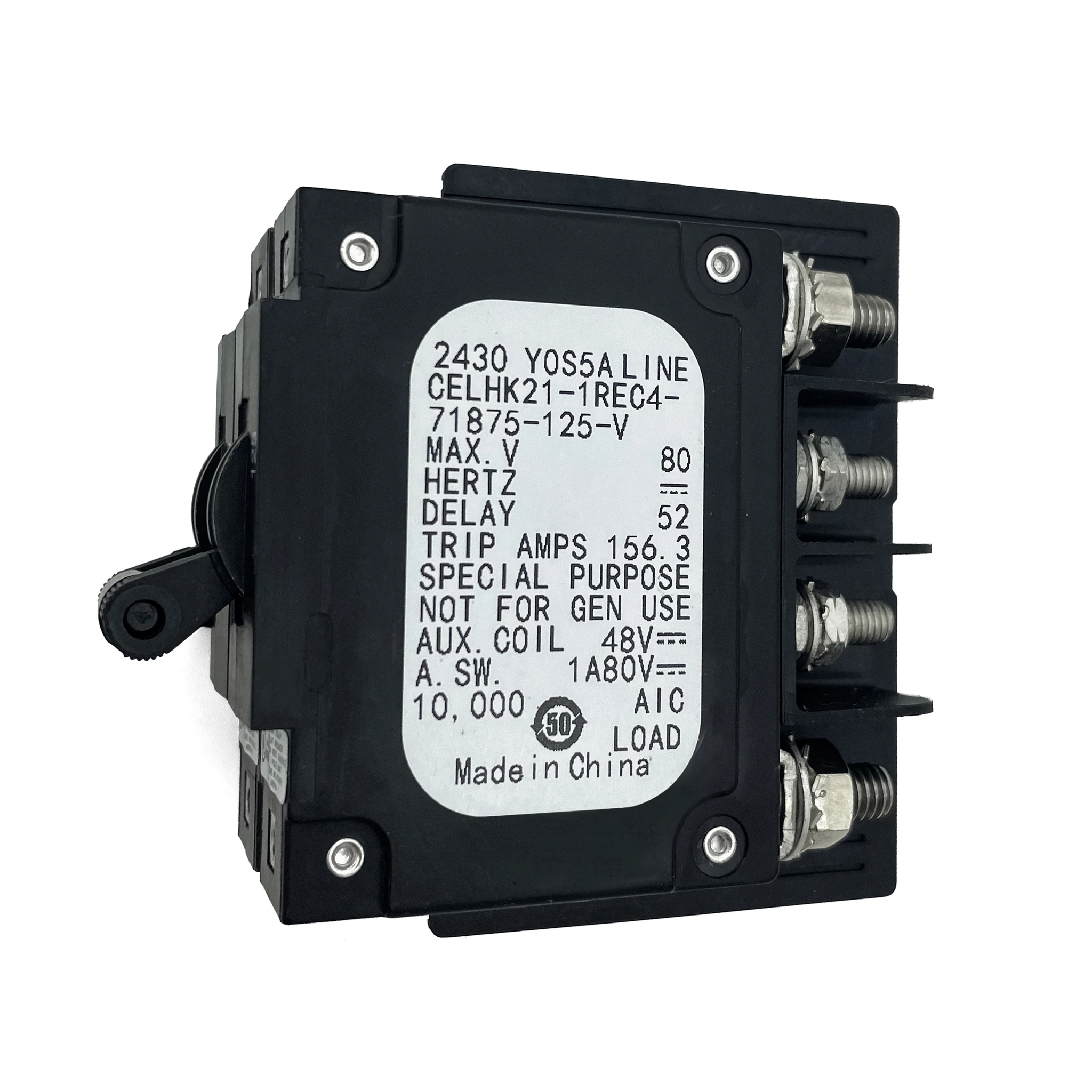
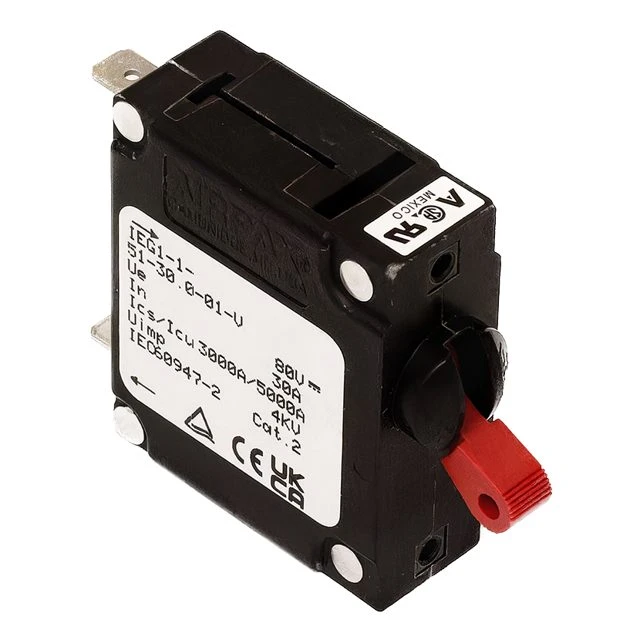
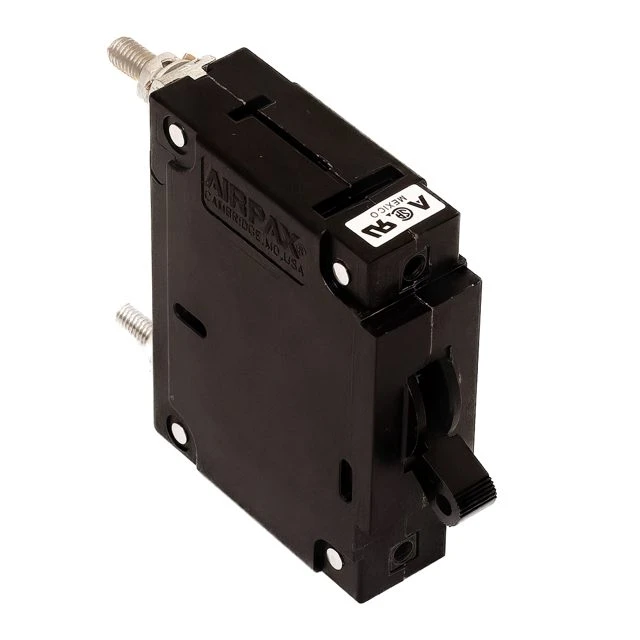
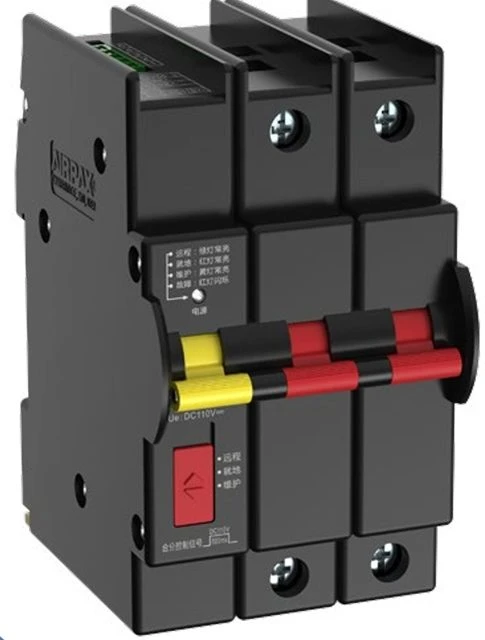
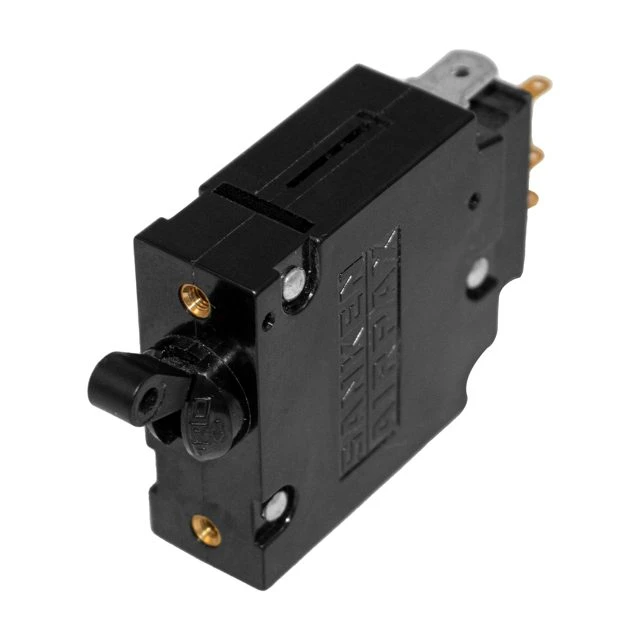
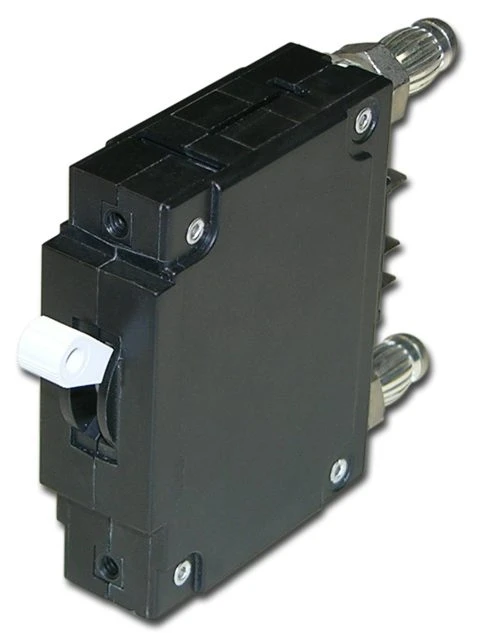
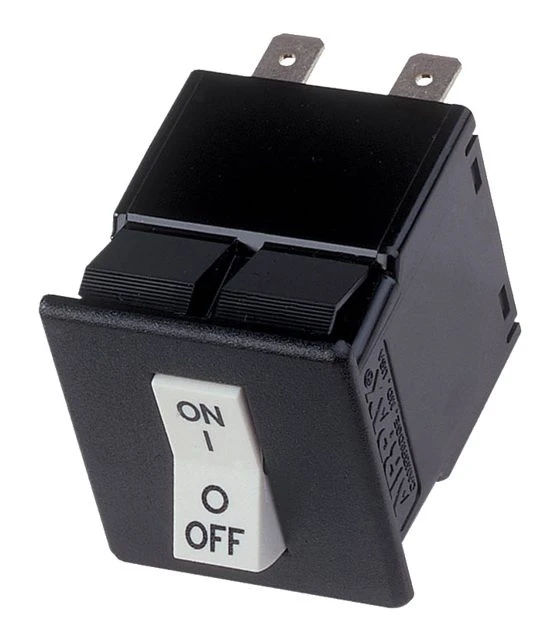
An entry “MIL-STD-202 Method 204, Condition X” in a circuit-breaker datasheet means the manufacturer subjected the product to swept sinusoidal vibration at the level and frequency band assigned to that condition letter and performed measurements defined in its own specification.
The entry demonstrates use of a standardized laboratory procedure and allows products from different manufacturers to be compared by condition letter. The method number alone, without the condition letter and criterion (e.g. no trip, no circuit interruption, no change in contact resistance), gives no quantitative immunity information; the standard itself does not contain acceptance criteria, leaving them to the product specification.
Method 204 (Vibration, High Frequency) tests resistance to swept sinusoidal vibration: the specimen is mounted as specified by the product specification and vibration is controlled at the mounting points. Frequency is swept logarithmically across the full band and back, with the cycle repeated multiple times in each of three mutually perpendicular directions; amplitude is limited by the lower of two values: peak acceleration or double displacement amplitude.
Method 213 (Shock, Specified Pulse) tests shock resistance: a shock machine generates a half-sine or saw-tooth pulse of specified peak acceleration and duration, applied in both directions of three axes. Test level is given by the condition letter in the table for the method; selection of the letter, mounting, measurements and acceptance criteria are left to the detail product specification - the standard itself contains no acceptance criteria.
Since revision H, each method is a separate MIL-STD-202-xxx document.
Check the method number and condition letter (e.g. “Method 204, Condition B”) and the declared criterion - no nuisance trip, no circuit interruption, no parameter change. Read the values assigned to the letter from the current method document in the ASSIST database (quicksearch.dla.mil); the method number alone without a condition letter does not allow products to be compared.