


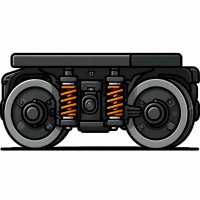
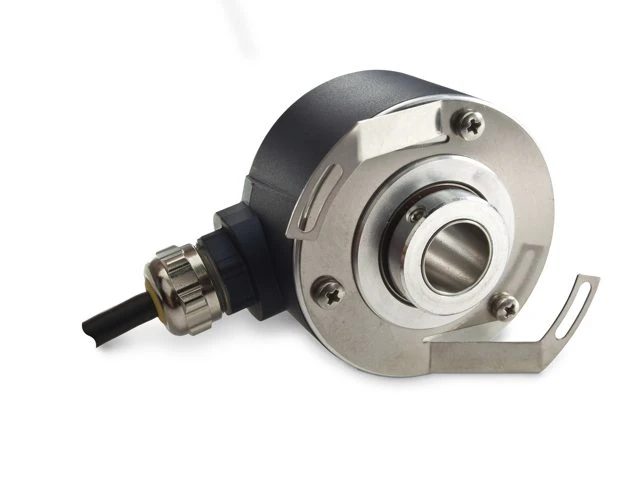
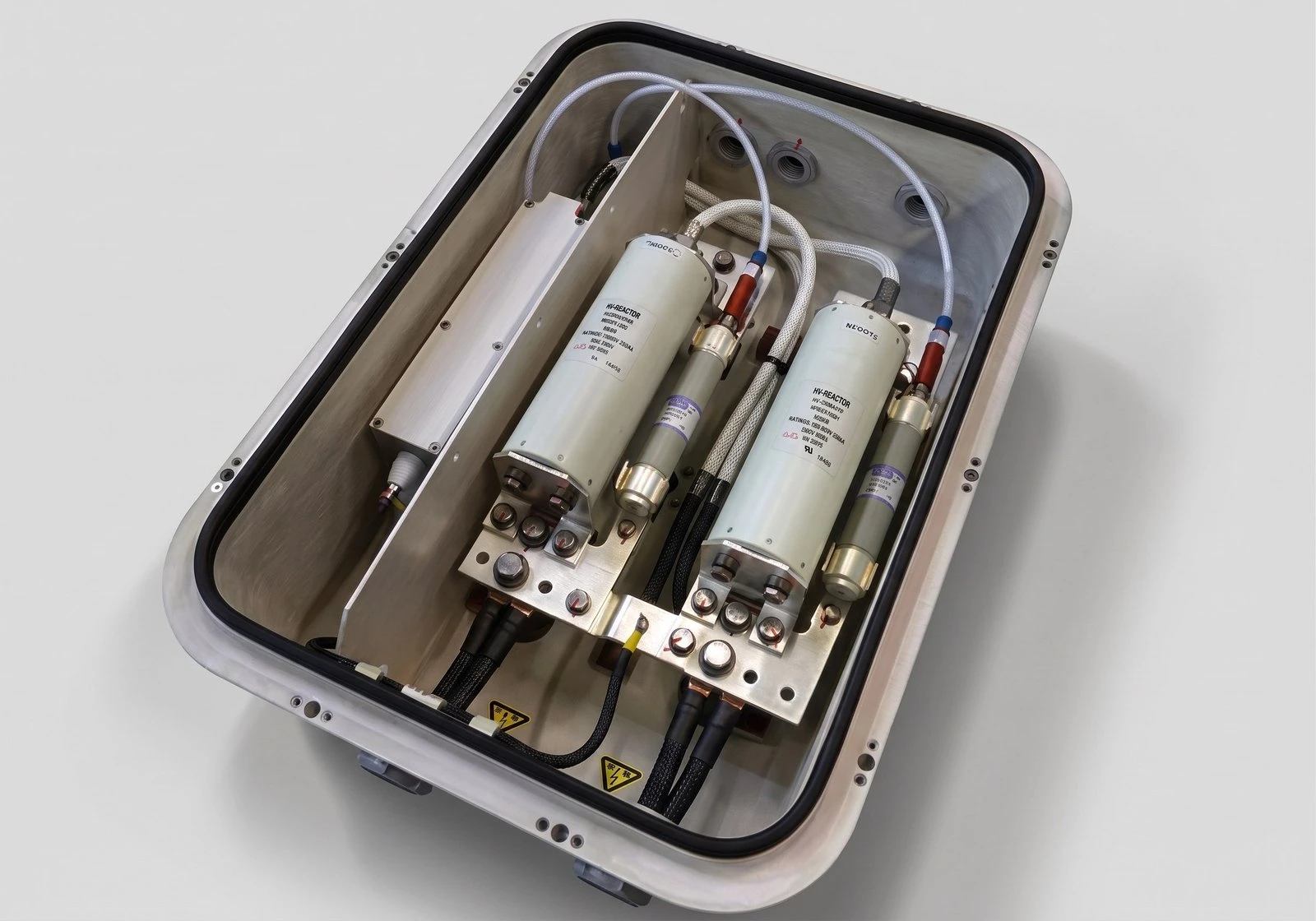
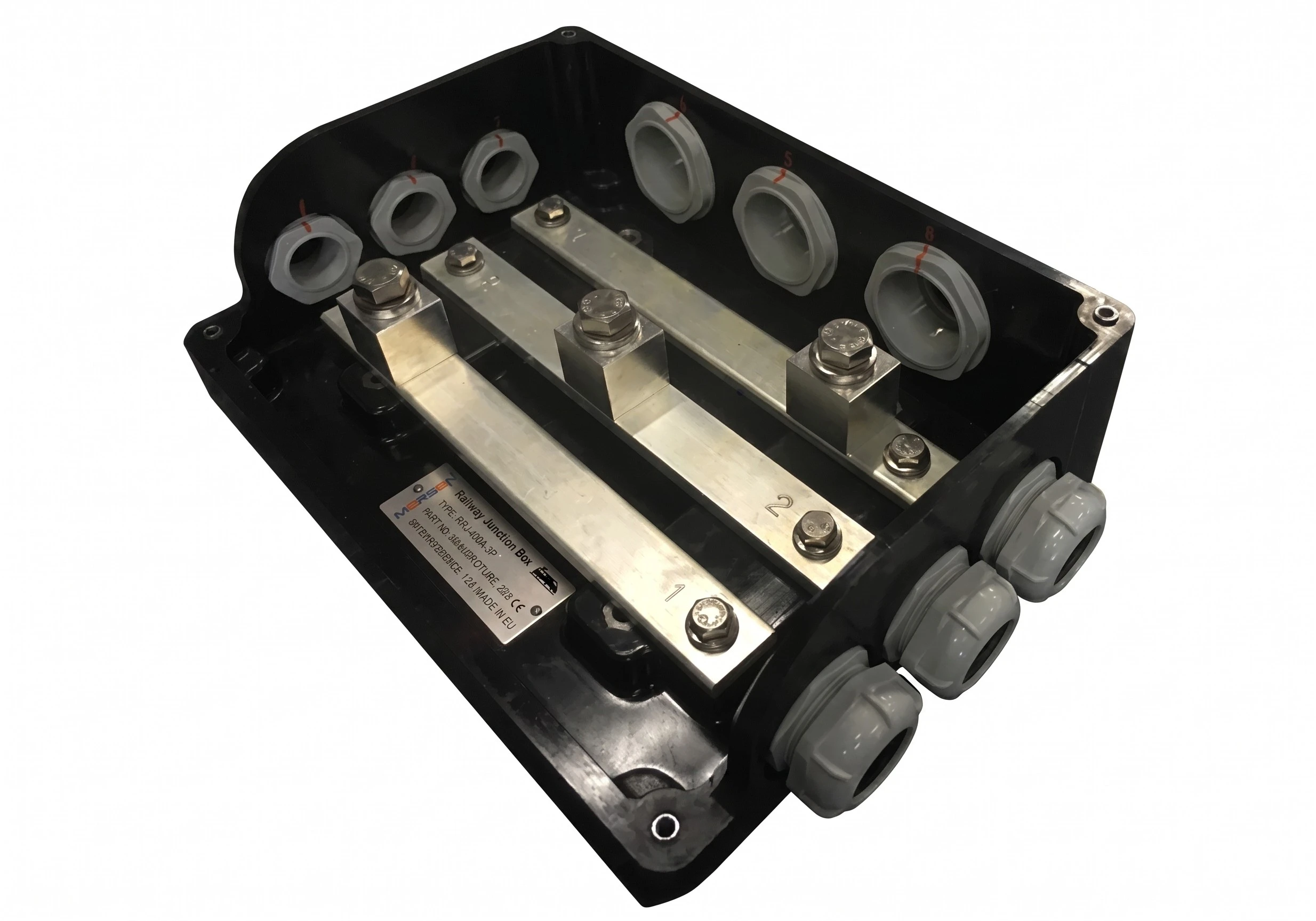
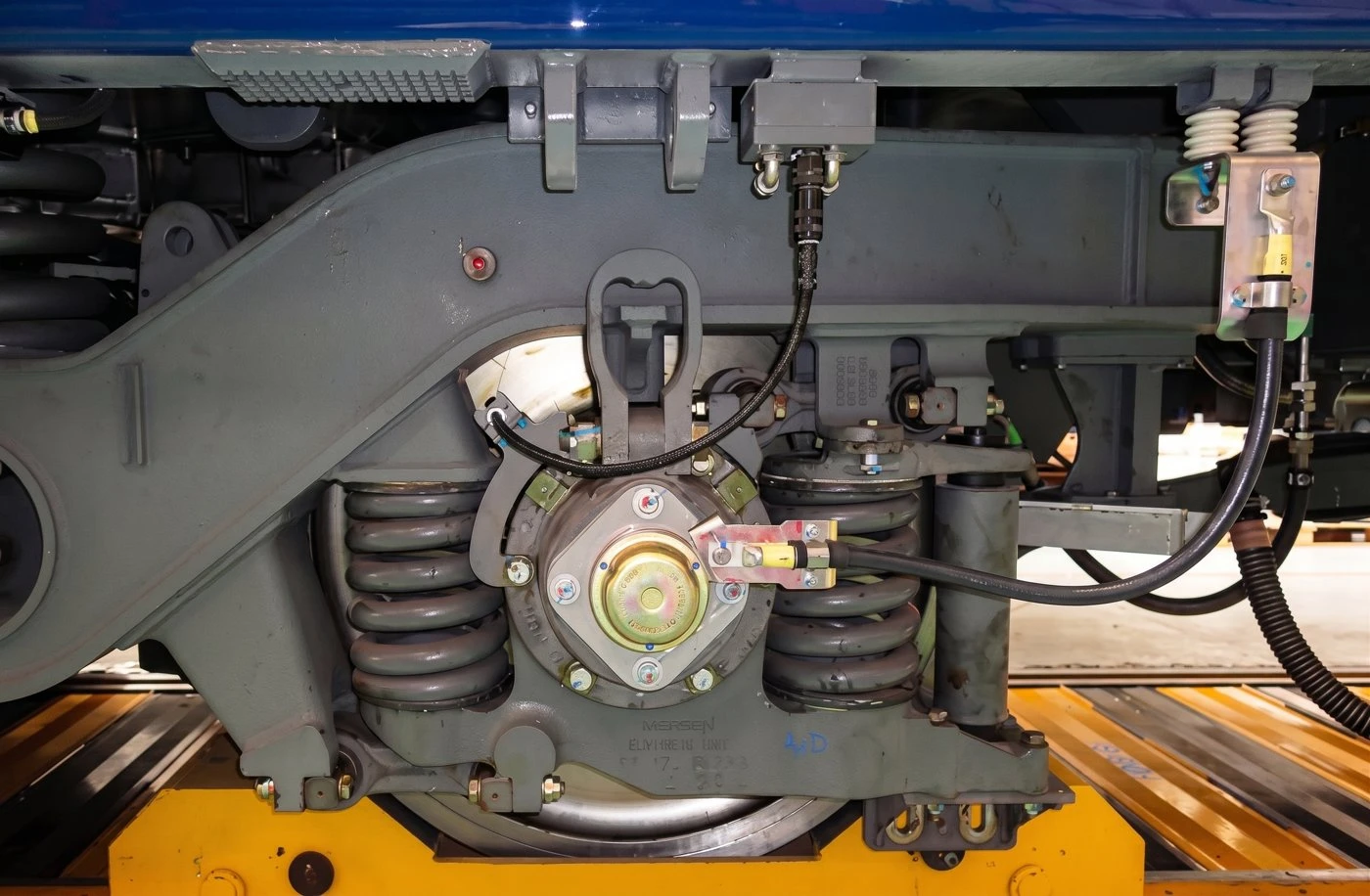
The undercarriage is the most demanding installation location on a vehicle: at the axlebox housing, all vibration generated by wheel–rail interaction is transmitted directly to the equipment mounted there, compounded by water, salt, brake dust and ice. This is where speed sensors, bearing-temperature sensors and axle-grounding contacts are installed; under the underframe are battery boxes, shunts, HV-circuit fuse and junction boxes, magnetic track-brake coils, the ETCS antenna and a coupler with an electrical section.
The axle-speed signal is safety-related. ETCS odometry uses two independent measurement systems - rotation sensors on the wheelsets and Doppler radar; the same signal is used by wheel-slide protection, traction control, the event recorder and automatic sanding after wheel slip is detected. Vehicle grounding closes the return circuit: traction current returns to the rails through axle-grounding contacts on the axleboxes, while protective resistors of approximately 0.1 Ω protect the bearings against current flow; not every axlebox has space for a grounding contact because some positions are occupied by sensors.
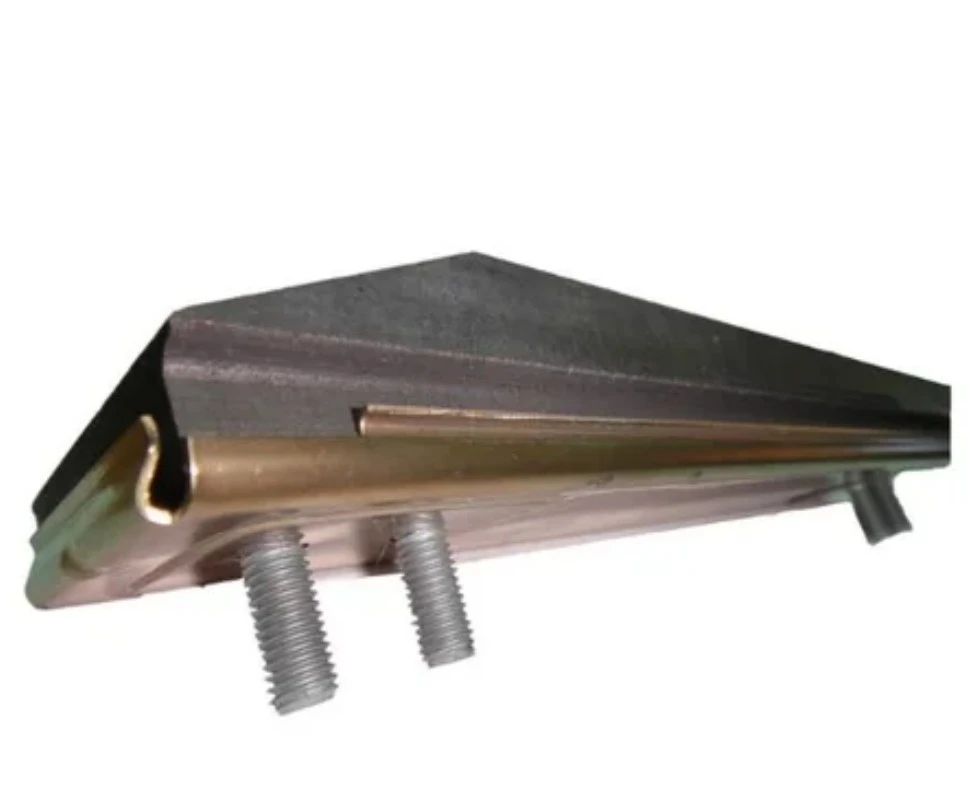
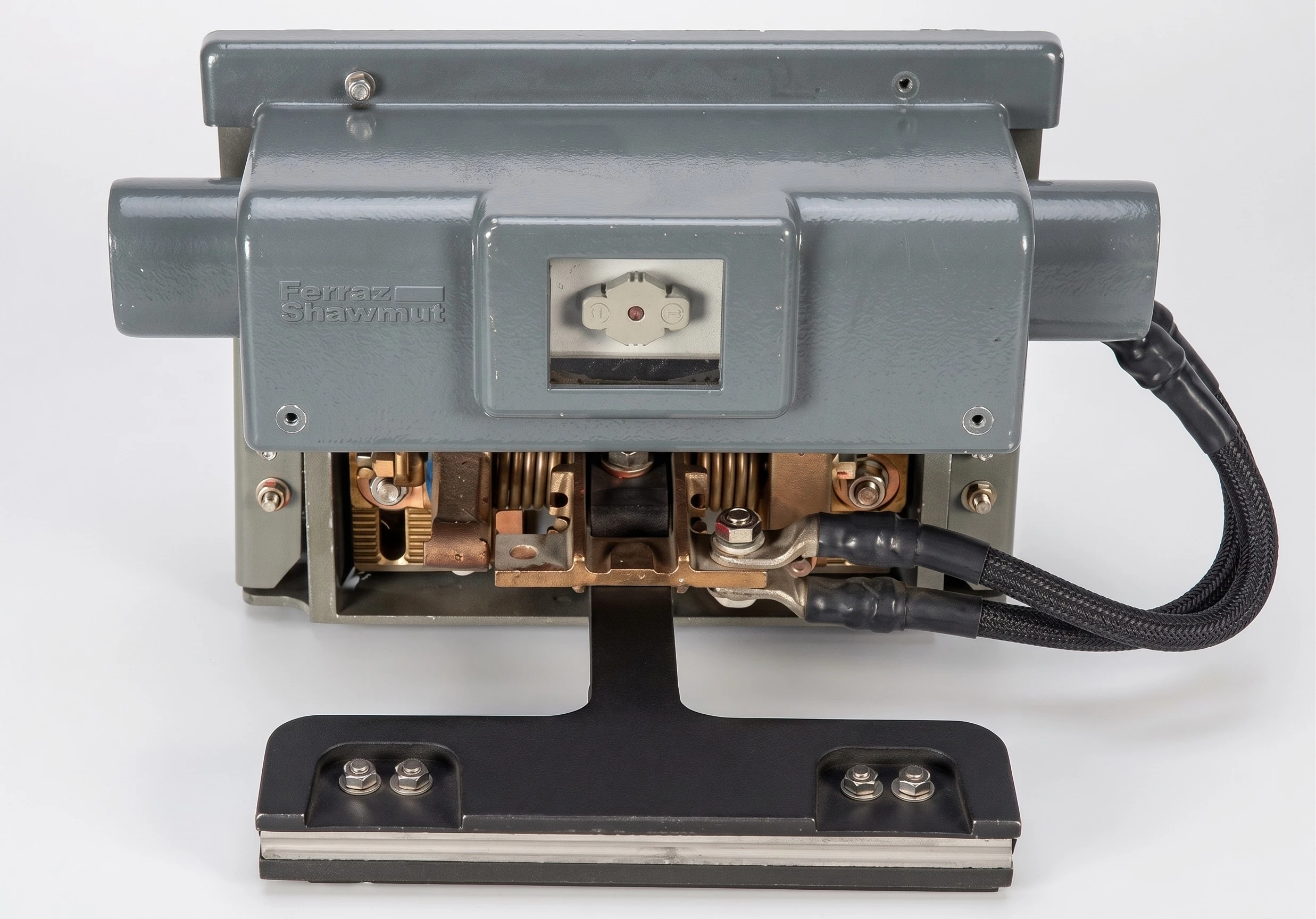
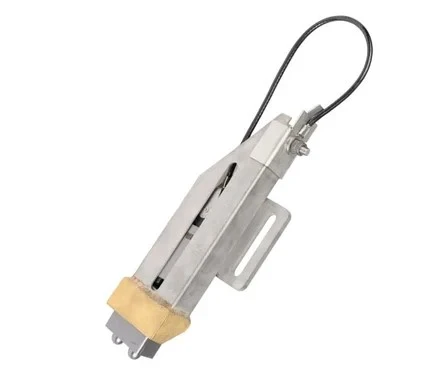
Metro and tram vehicles without an overhead line collect current from a third rail - a collector mounted on the bogie maintains constant contact regardless of rail irregularities, while the contact shoe material (pure carbon, copper-impregnated carbon, lead-free material or a serviceable design) determines friction and the service life of the current rail itself. The wheel flange contacts the rail head during running; liquid lubrication creates a risk of loss of track-circuit shunting, so dry systems with a spring-loaded carbon stick are also installed under the underframe - without the risk of interfering with signalling.
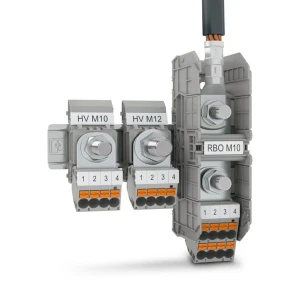
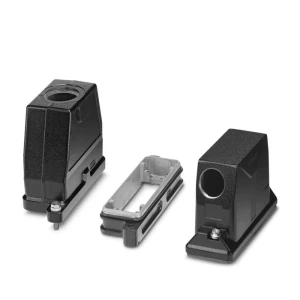
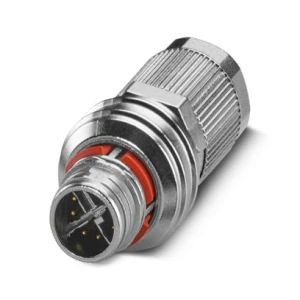
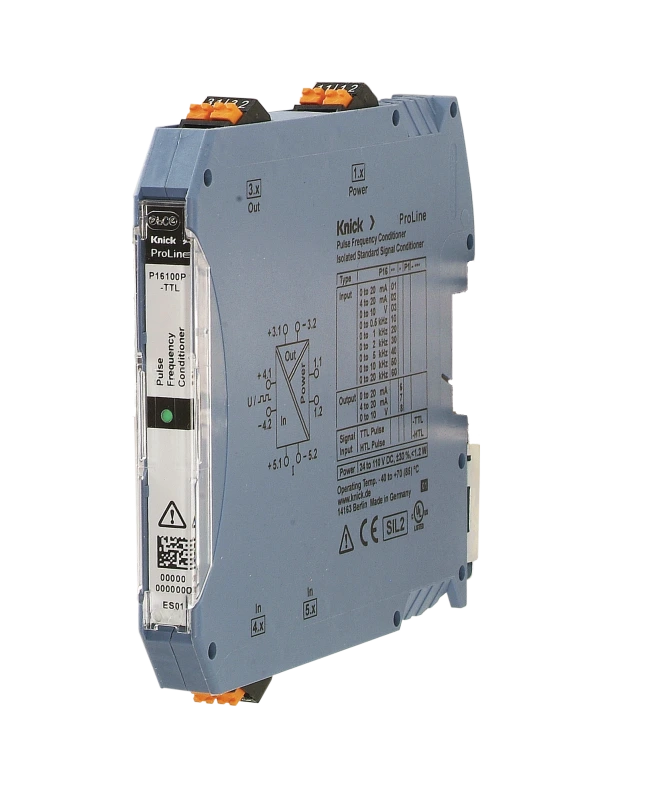
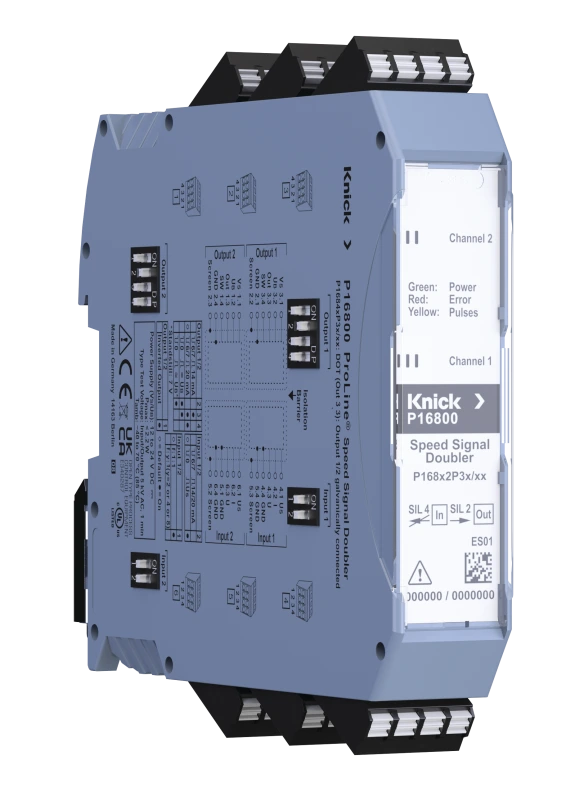
Equipment used in this area includes: encoders and speed sensors for bogie axles (incremental, absolute and SIL-rated), encoder-signal splitters, speed-signal converters, axle-grounding devices and their contact elements, third-rail current collectors, HV-circuit fuse and junction boxes under the underframe, multipole connectors for couplers and inter-car connections, high-current terminal blocks, and wheel-flange lubrication systems. In our range, axle-grounding devices, HV fuse and junction boxes, third-rail current collectors with contact shoes, and wheel-flange lubrication systems are supplied by a single manufacturer - Mersen.





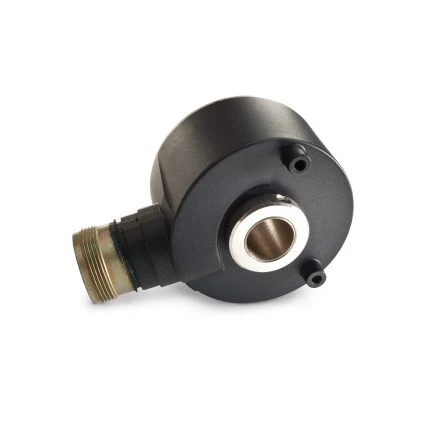
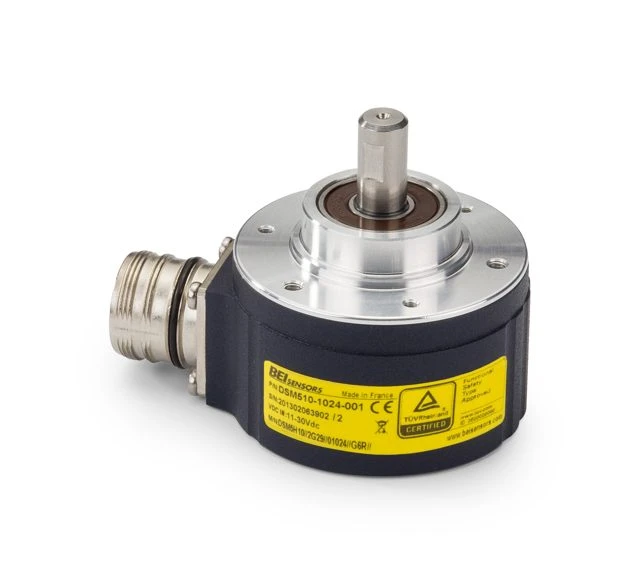
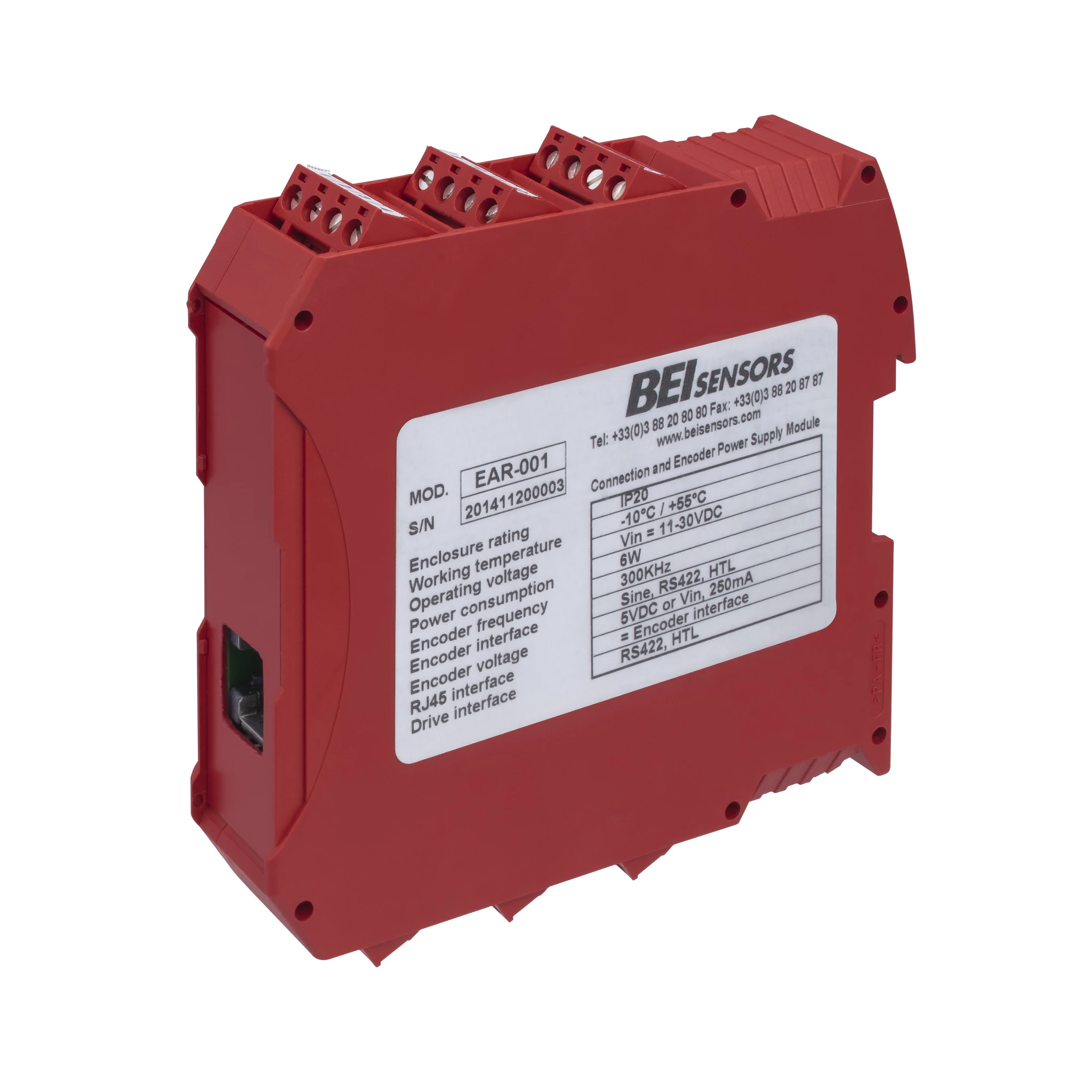
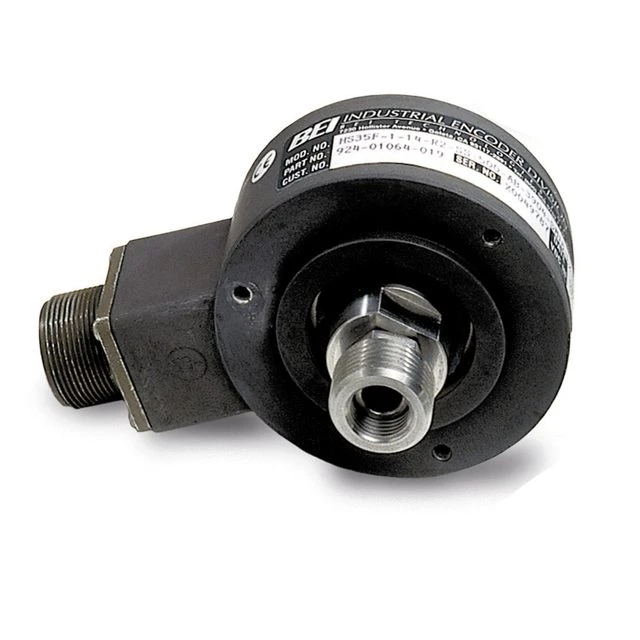

Selection criteria for this area:
For safety, distance and speed measurement must remain reliable despite wheel slip and sensor failure. Two independent systems are therefore used: rotational sensors on wheelsets and Doppler radar measuring speed relative to the track. A discrepancy between them is itself an indication of wheel slip.
Bearing-temperature sensors and bonding contacts (axle brushes) that transfer return current from the vehicle to the rails. Because axlebox space is limited, not every housing can accommodate a bonding contact - the sensor and bonding arrangement must be designed together.
They limit current that could otherwise flow through the bearing instead of the bonding contact; a typical value is approximately 0.1 Ω. Current through the bearing causes electrical erosion of the raceways and premature wear.
Under the vehicle there is brake dust, salt, splash water and ballast impact; a higher degree of protection and insulation clearances for severe pollution are required, and maintenance access is from an inspection pit. The circuit voltage is the same - 750 to 3000 V DC depending on the traction system.
Liquid lubrication carries a risk of reducing track-circuit shunting - manufacturers document this as a real operating issue. A dry system uses a carbon stick and spring-loaded applicator that presses the material against the flange without liquid, so it does not interfere with track circuits; EN 16028 and EN 15427-2-1 are used to confirm suitability.
They differ in carbon material - pure, impregnated (including copper-impregnated) or lead-free - and in mounting method: welded, bonded, clamped, bronze-cast, or EcoDesign, where only the carbon element is replaced and the holder is reused. Selection affects friction, conductor-rail wear and operating cost.