Driver’s cab

Driver’s cab

The driver’s cab is the most demanding installation area in a vehicle in terms of ergonomics and the reliability of manually operated components. Equipment operates under continuous vibration and shock transmitted from the bogies, across a wide temperature range and under changing illumination - from night conditions to direct sunlight on the control desk - and may be touched hundreds of times during a shift.

Three groups of requirements determine whether a component can be accepted: mechanical resistance to vibration and shock (testing in accordance with EN 61373), electrical and environmental properties of electronic equipment for rolling stock (EN 50155), and fire behaviour of materials (EN 45545-2). Electromagnetic compatibility is also essential because the cab is adjacent to traction circuits and radio systems.

Typical equipment installed in control desks and cab cabinets includes: illuminated pushbuttons and switches, visual and audible indicators, circuit breakers protecting auxiliary circuits, interface relays coupling control circuits to actuators, signal connectors and onboard printers.

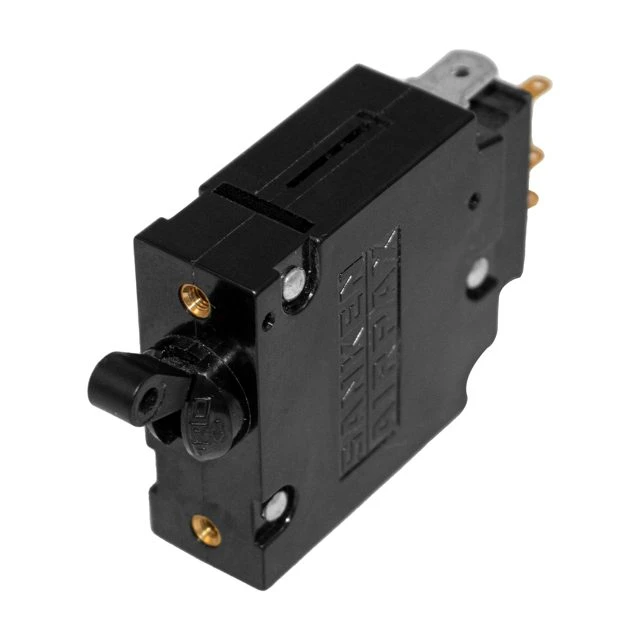
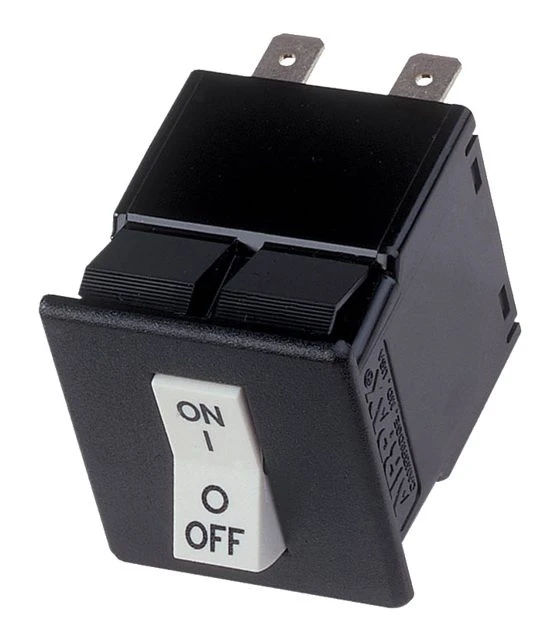
Airpax hydraulic-magnetic circuit breakers

Sensata
Hydraulic-magnetic circuit breakers - panel mount
Airpax IPA/CPA Overcurrent Circuit Breaker (260)
Sensata
Hydraulic-magnetic circuit breakers - panel mount
Airpax SNAPAK Panel-Mount Circuit Breaker (213)

Circuit breakers

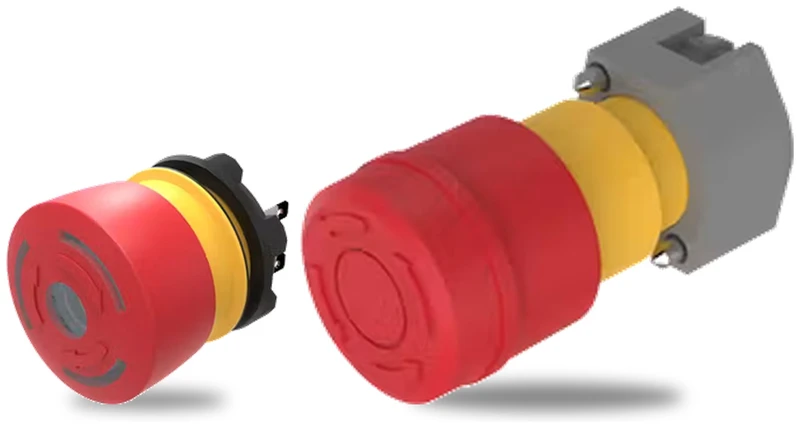
EAO
E-stops
Emergency Stop Switches

Connectors

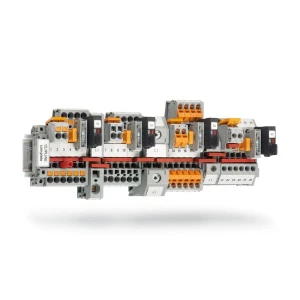
Phoenix Contact
CLIPLINE complete DIN-rail terminal blocks
CLIPLINE complete - DIN-Rail Terminal Blocks (PT/PTV/ST)
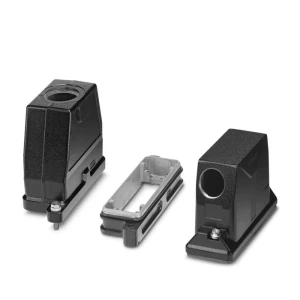
Phoenix Contact
HEAVYCON industrial connectors
HEAVYCON - Modular Industrial Connectors
Phoenix Contact
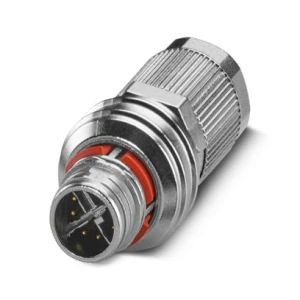
M12 signal and data connectors
M12 RAIL (Push-Pull)

Contactors and relays

Hengstler
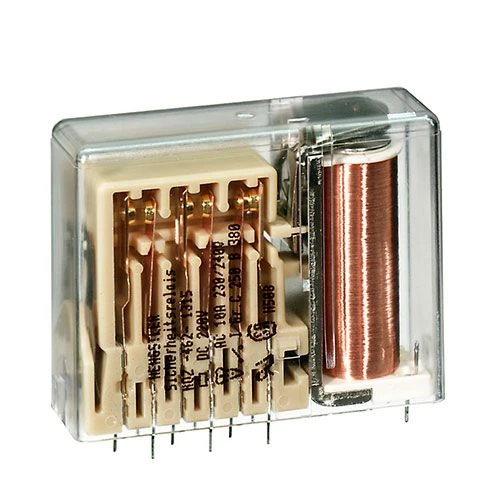
Signal relays (4/6 contacts)
H-462 - Signal Relay (4 or 6 contacts)
Hengstler
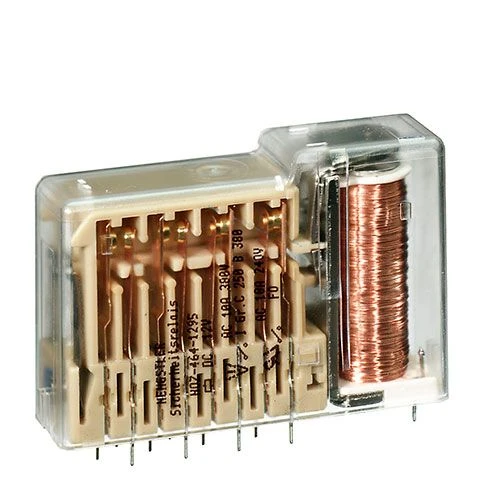
Signal relays (8/10 contacts)
H-464 - Signal Relay (8 or 10 contacts)
Hengstler
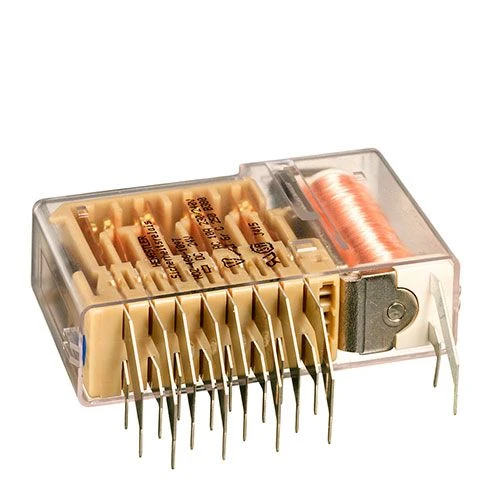
Flat relays (4-10 contacts)
H-466 - Flat Relay (4–10 contacts)
Hengstler
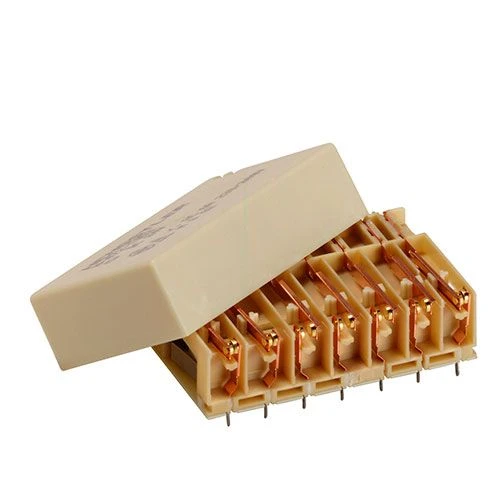
Low-profile PCB relays (7 contacts)
H-472 - Low-Profile PCB Relay (7 contacts)
Hengstler
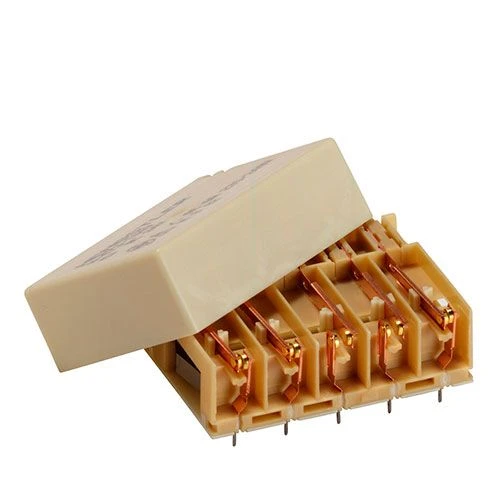
Low-profile PCB relays (5 contacts)
H-473 - Low-Profile PCB Relay (5 contacts)

Enclosures and cabinets

nVent Schroff
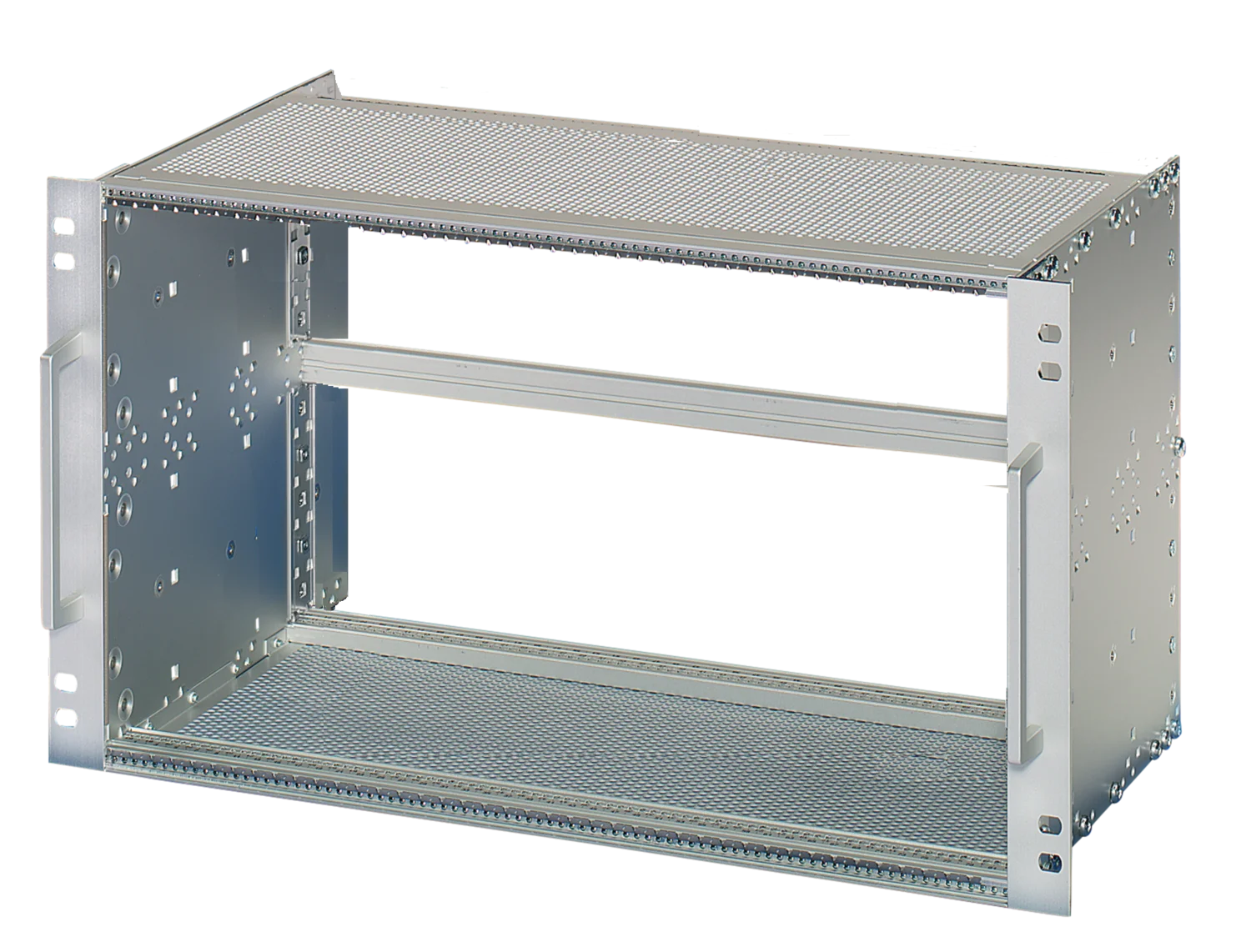
Onboard subracks
EuropacPRO Subrack - Onboard (Railway) Version
nVent Schroff
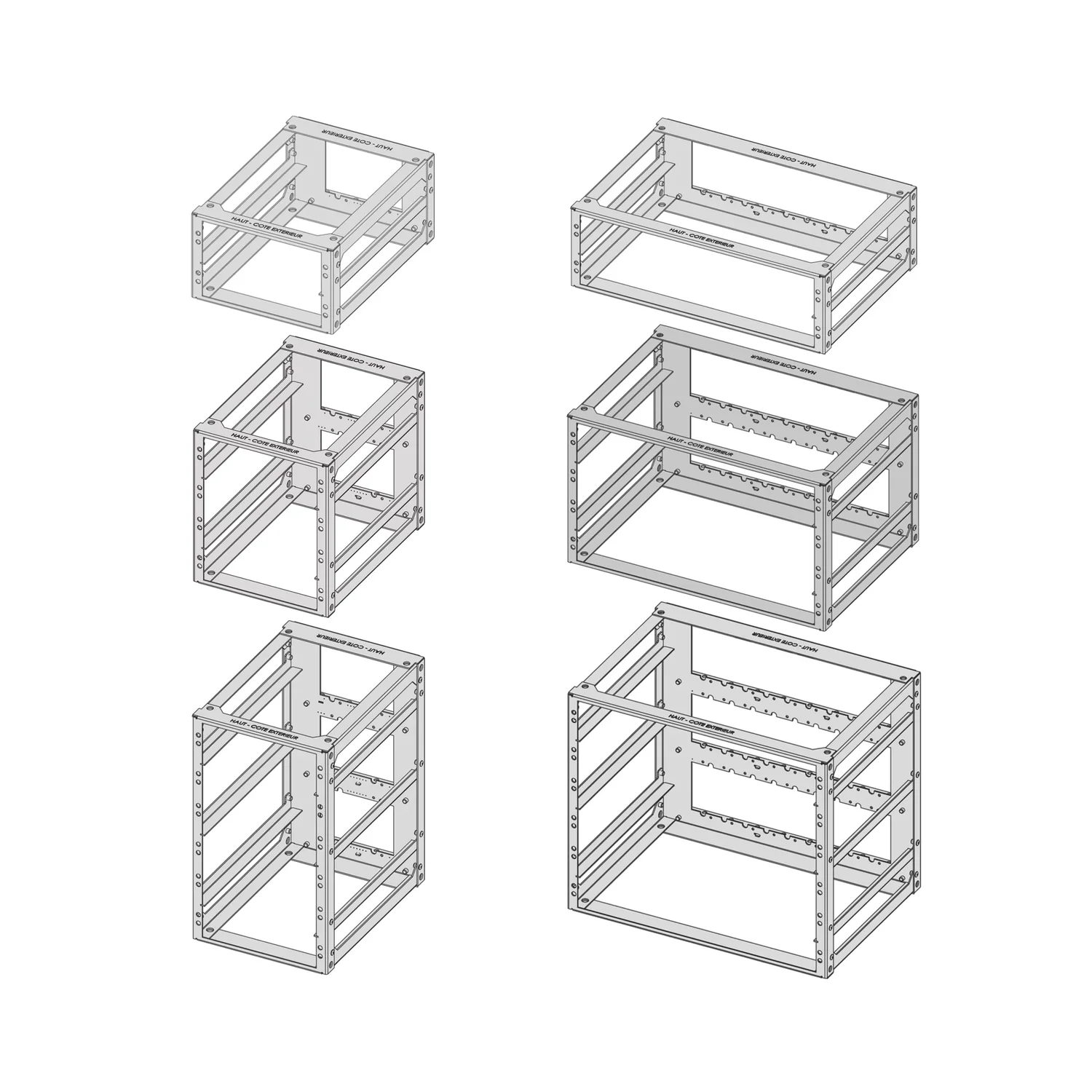
Onboard racks
On Board Rack (OBR)
nVent Schroff
Onboard cabinets
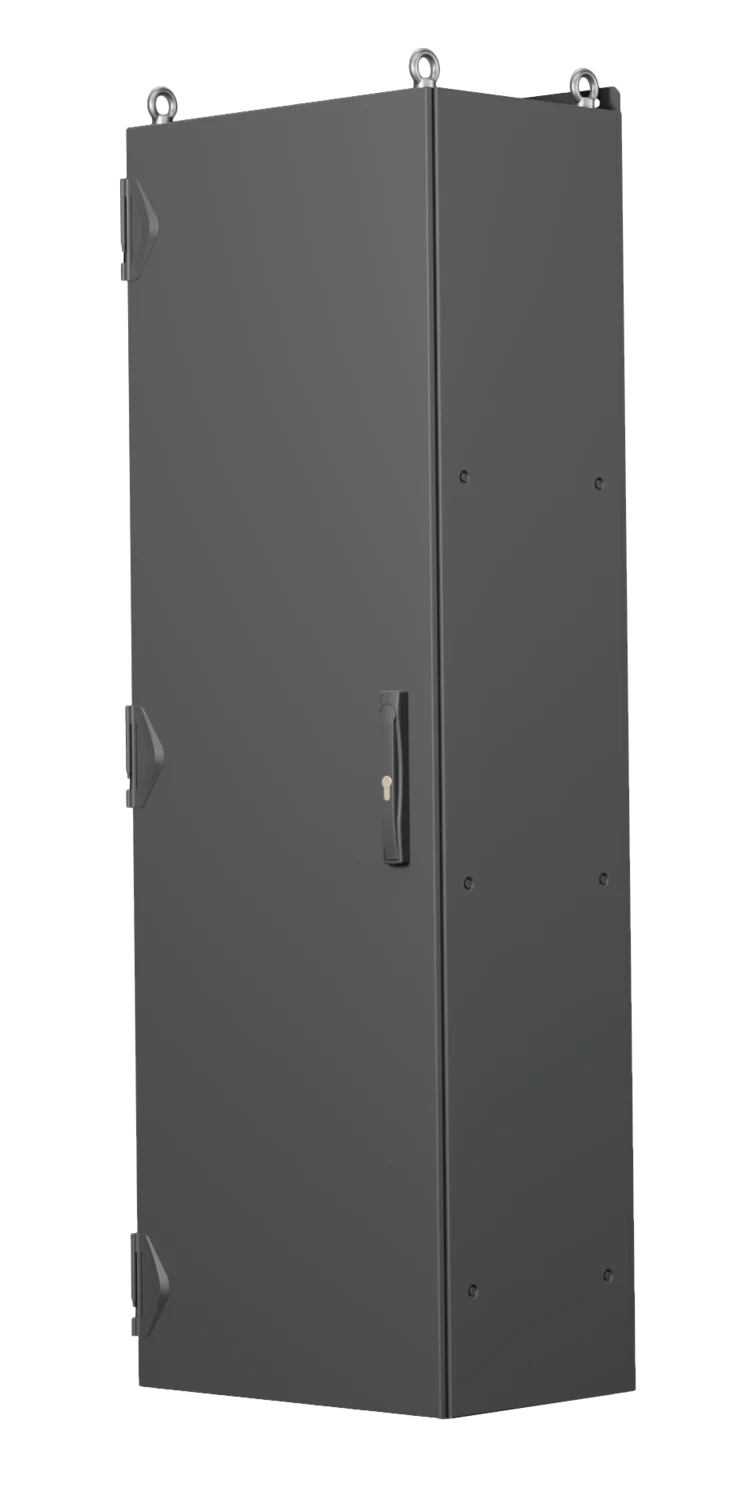
Varistar CP Onboard Cabinet for Rolling Stock

Equipment protection circuit breakers

Phoenix Contact
Equipment circuit breakers
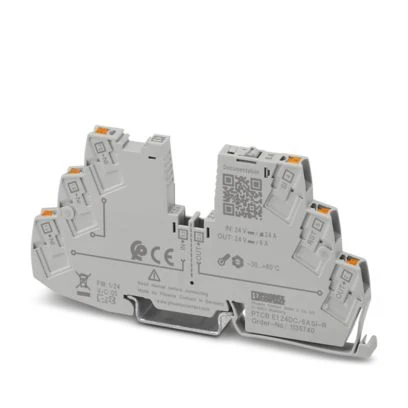
PTCB E1 - Electronic Circuit Breakers

HMI: pushbuttons, indicator lights and signalling

EAO
Modular indicators
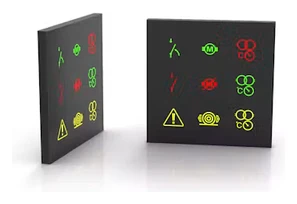
Multi-Legend Alarm Indicators
EAO
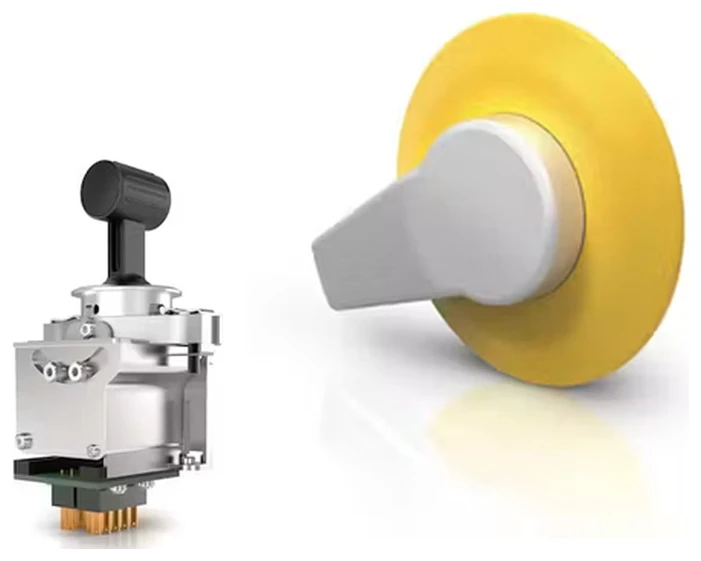
Rotary switches
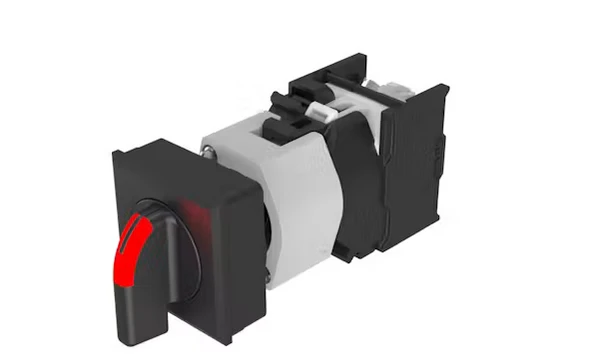
Selector Switches
EAO
Toggle switches
Series 04 and 56 Toggle Switches
EAO
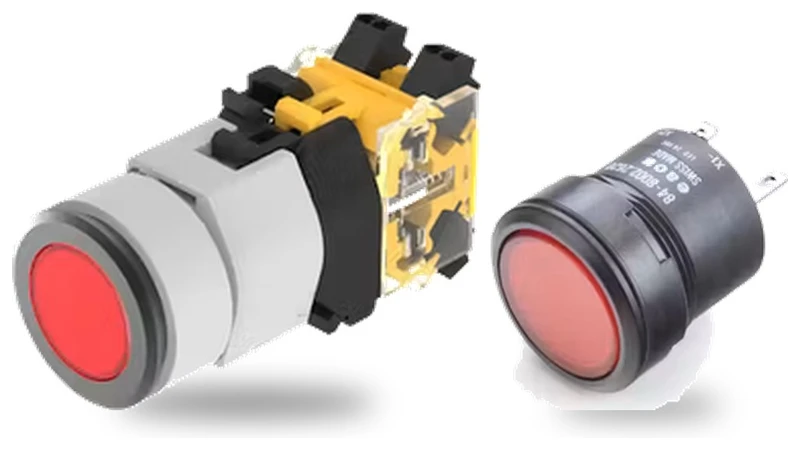
Illuminated pushbuttons
Series 04 and 84 Illuminated Pushbuttons
EAO
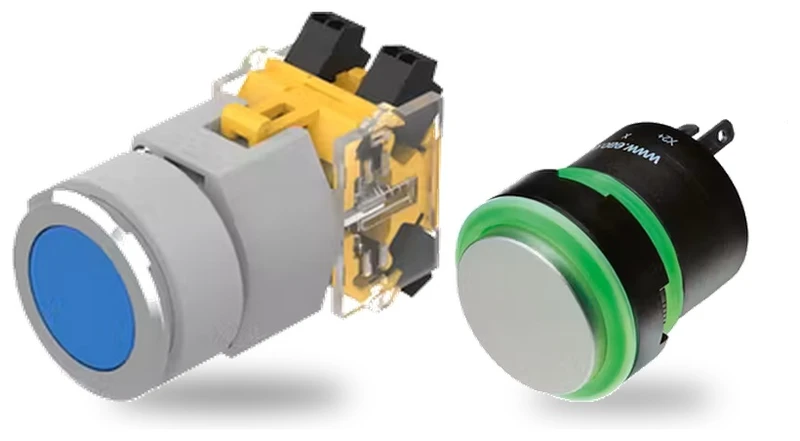
Non-illuminated pushbuttons
Series 04 and 84 Pushbuttons
EAO
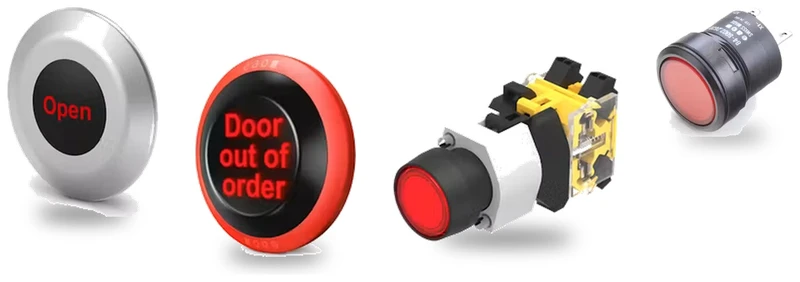
Indicator lights and illuminated indicators
Series 04, 56, 57 and 84 Indicator Lights and Illuminated Indicators

Marking and labelling

Phoenix Contact
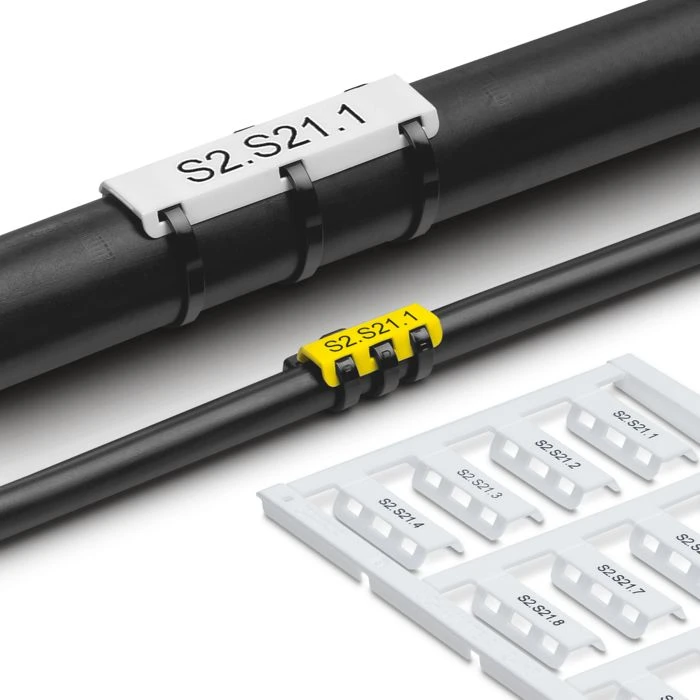
Markers for terminal blocks, wires and devices
UniCard Markers (UC / UCT)

Other components

nVent Schroff
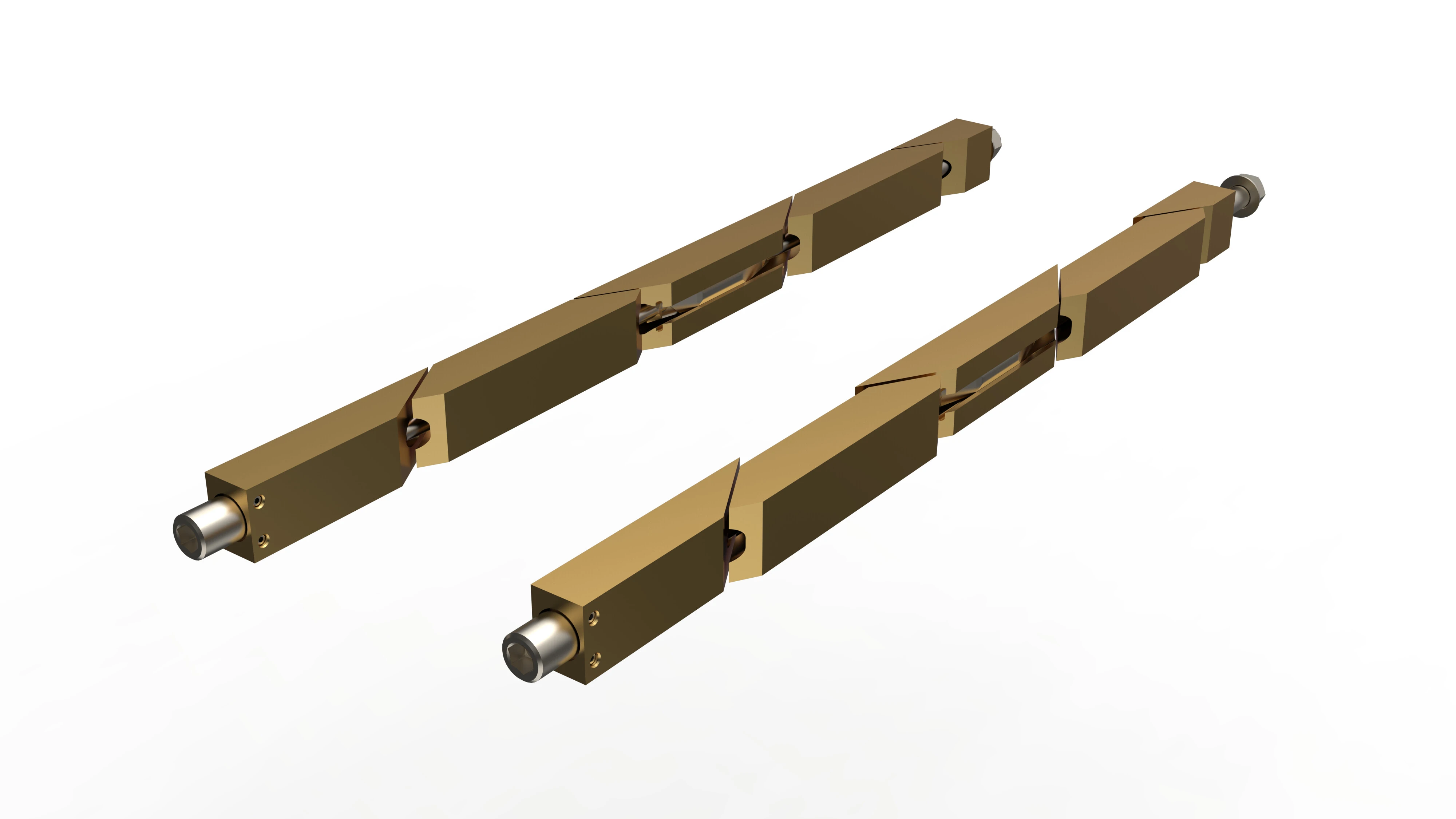
PCB retaining components
Card-Lok / Wedge-Lok PCB Retainers - Onboard Applications
EAO
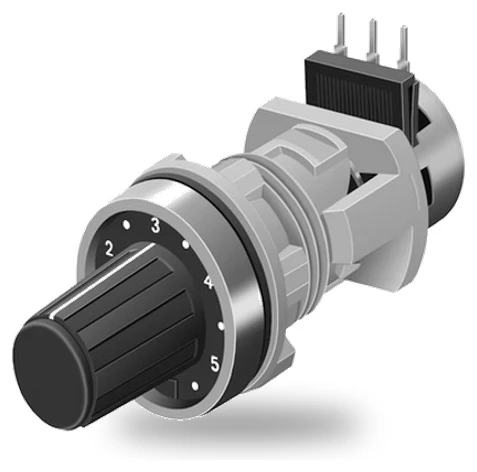
Potentiometers
Series 04 Potentiometers

Relays

Phoenix Contact
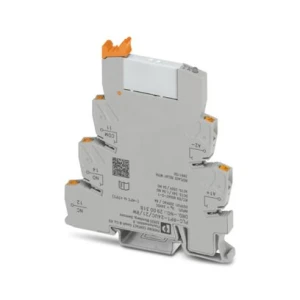
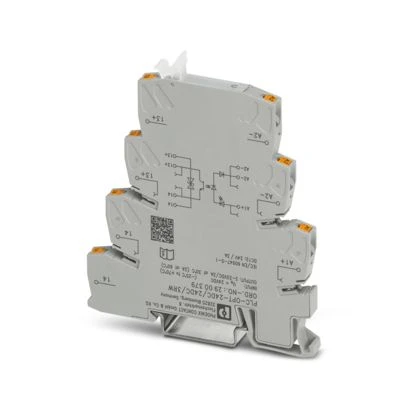
PLC-INTERFACE relay modules
PLC-INTERFACE - Electromechanical Relays
Phoenix Contact
PLC-INTERFACE relay modules
PLC-INTERFACE - Solid-State Relays

Sensors, transducers and measurement

Sensata
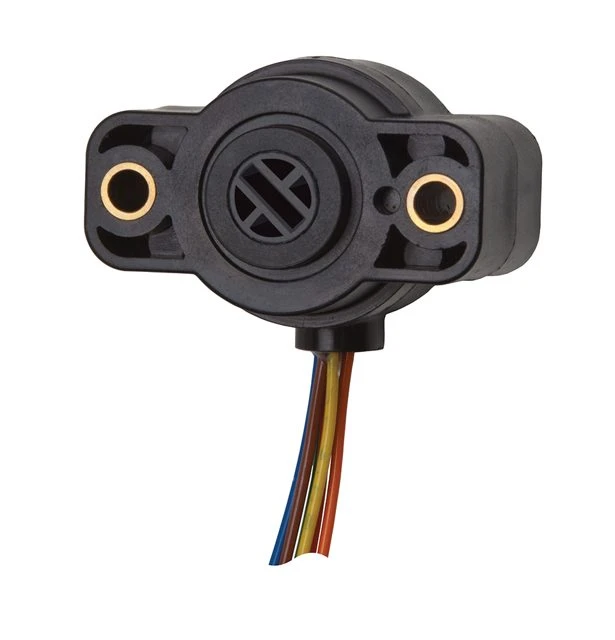
Position sensors
Sensata/BEI 9960 Hall-Effect Rotary Position Sensor (IP69K)

Selection criteria - Driver’s cab

Selection criteria for this area:

  • Mechanical resistance - vibration and shock levels must match the mounting category under EN 61373; a component mounted in the driver's desk and one installed in an underframe cabinet fall into different categories.
  • Fire behaviour and smoke emission - EN 45545-2 material requirements depend on the vehicle's operating and design categories; components are selected for the HL level resulting from that category.
  • Legibility and ergonomics - contrast and backlight brightness in sunlight, perceptible contact travel, operation while wearing gloves, and durable permanent markings.
  • Switching endurance - number of cycles for the actual load; the datasheet gives the value for a resistive load.
  • Protection characteristic - for onboard DC circuits, independence of the trip characteristic from ambient temperature is important; hydraulic-magnetic circuit breakers maintain it better than thermal breakers.
  • EMC - emission and immunity levels according to EN 50121-3-2 for rolling-stock equipment.
  • Design consistency - using one equipment family across the entire desk simplifies the spare-parts stock and reduces the parts list.

Technical questions

What exactly does EN 50155 compliance mean for a component?

EN 50155 defines requirements for electronic equipment used on rolling stock - supply-voltage ranges and interruptions, operating temperatures, humidity, vibration and tests. A component's declaration of compliance relates to its category and class; checking the actual tested conditions in the datasheet is more important than the mere presence of the standard number.

Why are hydraulic-magnetic circuit breakers used in rolling-stock DC circuits?

Their trip characteristic depends on current and fluid flow in the damping mechanism rather than on heating a bimetal element, so it remains stable over a wide ambient-temperature range. In a vehicle, where cabinet temperature may vary by several tens of degrees, a thermal breaker would require derating or trip-setting correction.

How does EN 45545-2 differ from older national fire requirements?

EN 45545-2 defines requirements for materials and products according to the vehicle's operating and design categories, expressed as hazard levels and requirement sets. Instead of using a single list of approved materials, selection depends on where the component is installed and what type of vehicle it is used in.

Can industrial equipment be used in a driver's cab?

Only if the manufacturer confirms the required railway version. A device compliant with IEC 60947 is not equivalent to one declared compliant with EN 50155, EN 61373 and EN 45545-2 - lack of these declarations usually prevents vehicle approval rather than merely complicating the specification.