Passenger stations and charging infrastructure

Passenger stations and charging infrastructure

A passenger station is an infrastructure facility whose equipment is closer to that of a public building than a traction substation, yet it is supplied from the same non-traction auxiliary power line and operates within the influence of the 3 kV DC traction system. Platforms are equipped with LED, flap-type and LCD information displays with train-departure sensors, loudspeakers and class-D amplifiers on 30/100 V lines, slave clocks controlled from a master clock, cameras, ticket machines, assistance-call buttons and signalling for passengers with reduced mobility.

A separate group consists of platform and workshop external-power points: new vehicles must support an external 3×400 V supply through a standardized six-contact socket, including pilot contacts, as well as 230 V AC and 24 V DC. A supply point on a platform or in a depot must withstand the inrush current of vehicle converters and operate outdoors, with protection and connection-status monitoring. All platform equipment is accessible to the public, operates around the clock without local supervision and is exposed to interference from the traction system.

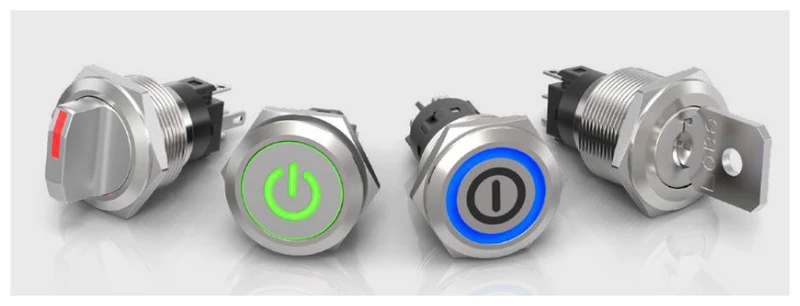
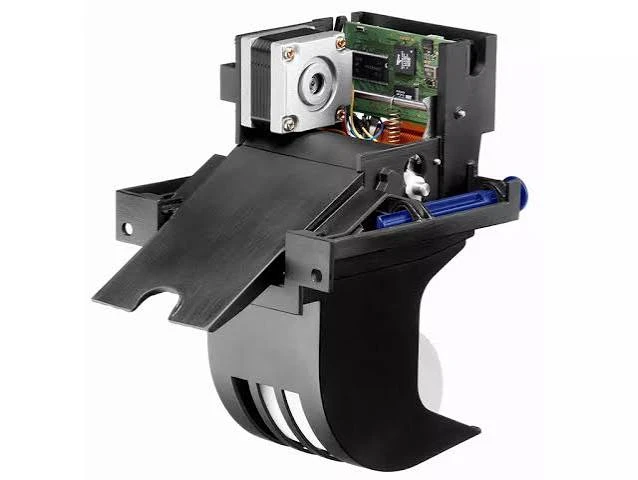
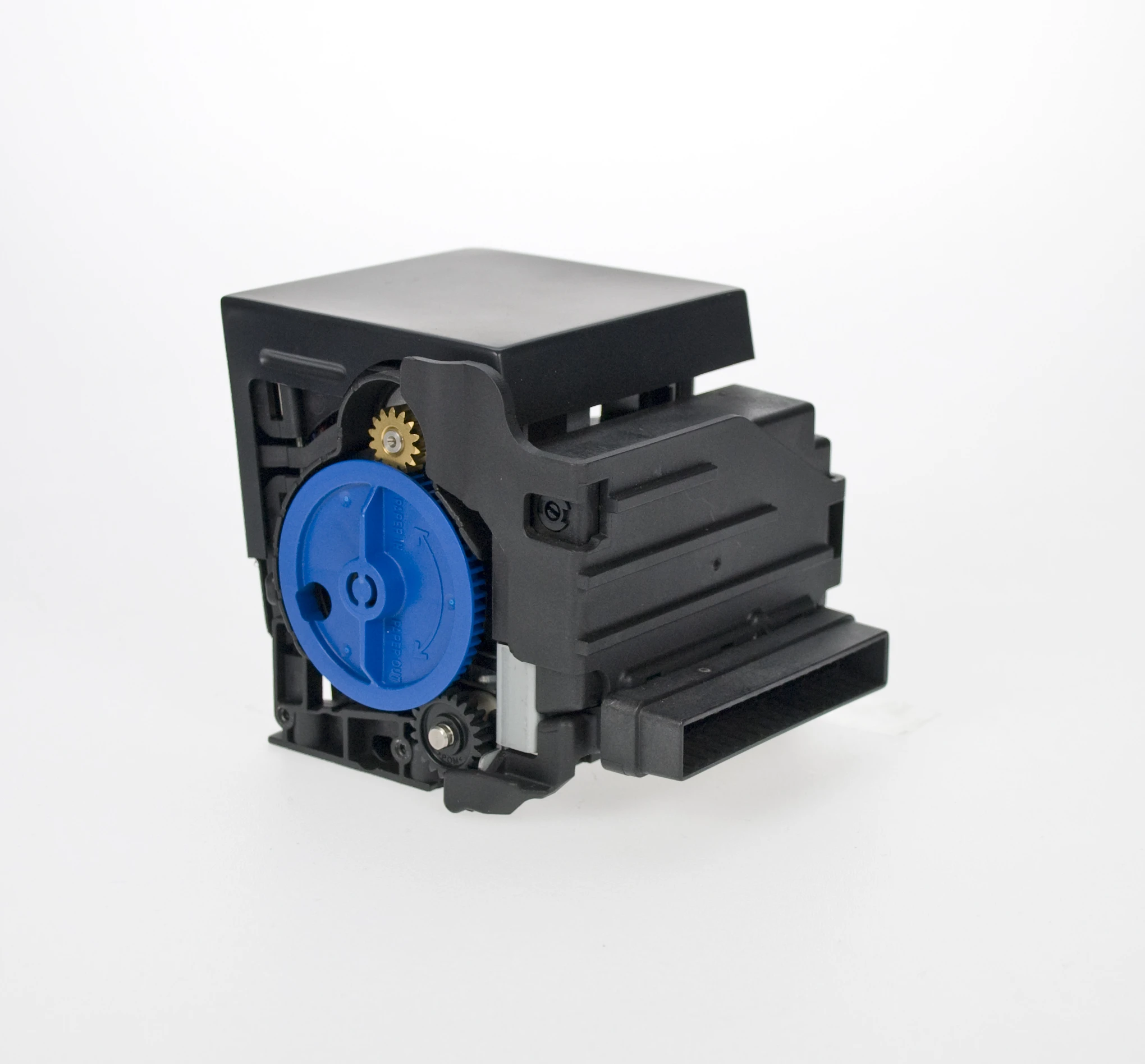
Equipment used in this area includes: vandal-resistant pushbuttons and switches, emergency-stop switches, information indicators, ticket and receipt printers, power supplies, uninterruptible power supplies and buffer modules for displays and public-address systems, surge protection devices for power and data lines, circuit protection, fibre-optic boxes, terminal blocks, enclosures and outdoor cabinets.

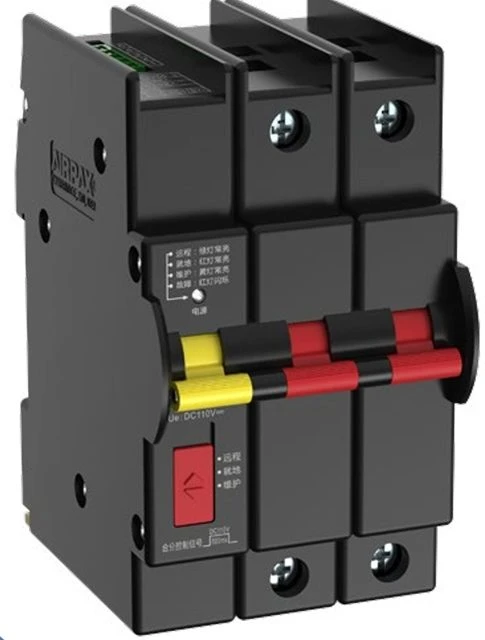
Airpax hydraulic-magnetic circuit breakers

Sensata
Remote-controlled circuit breakers
Airpax ICLR + ROCB Remote-Control Circuit Breaker

Circuit breakers

EAO
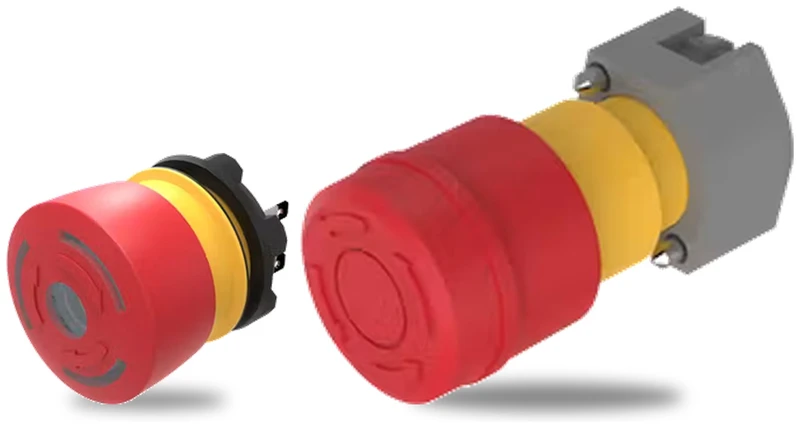
E-stops
Emergency Stop Switches

Connectors

Phoenix Contact
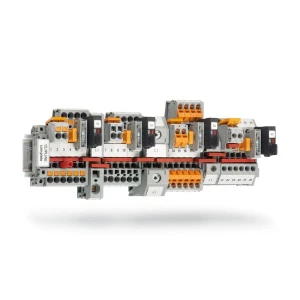
CLIPLINE complete DIN-rail terminal blocks
CLIPLINE complete - DIN-Rail Terminal Blocks (PT/PTV/ST)

Enclosures and cabinets

nVent Schroff
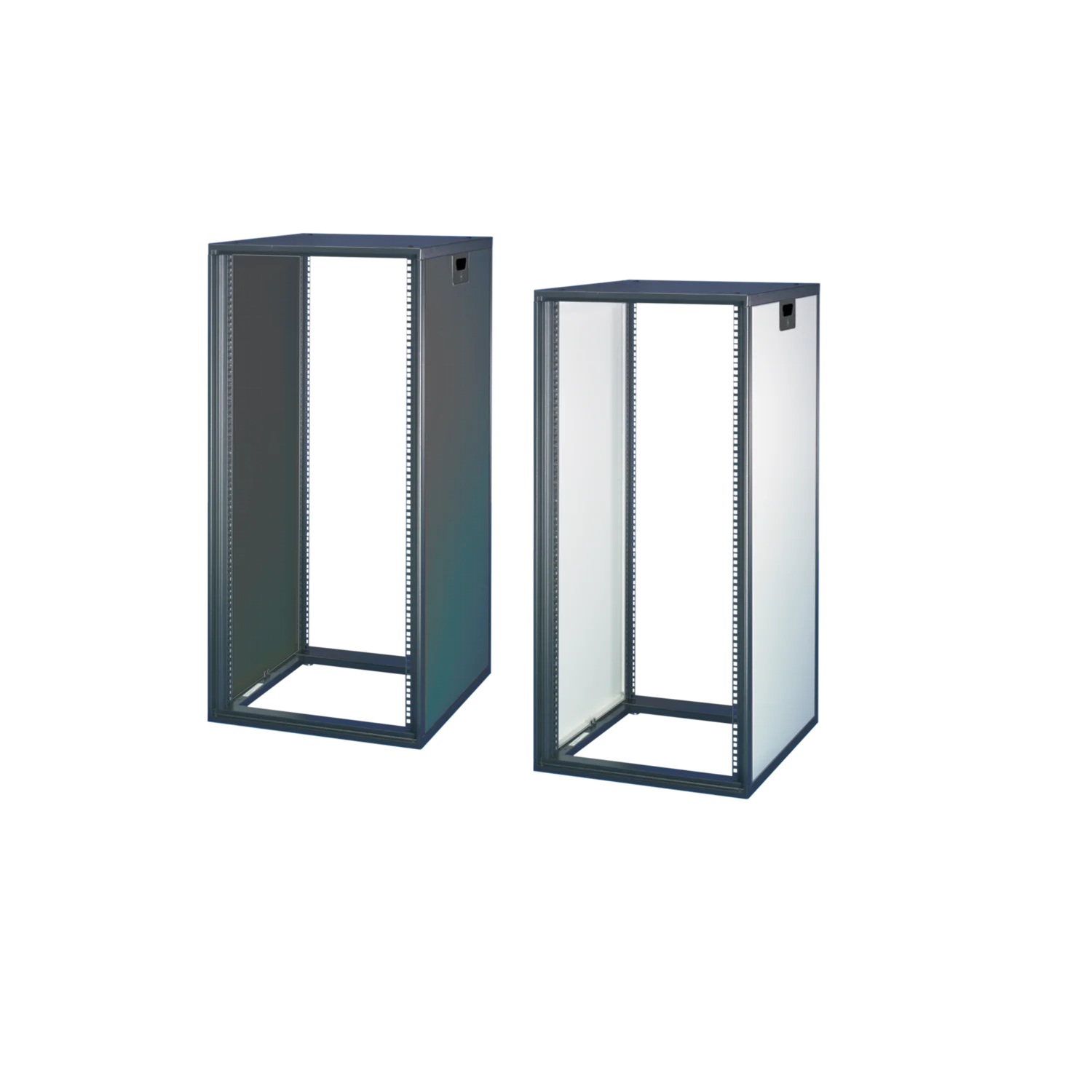
Multifunction cabinets
Multifunction Cabinets without Railway Certification (Varistar CP / Novastar)

Equipment protection circuit breakers

Phoenix Contact
Equipment circuit breakers
CBM E4 and E8 - Multi-Channel Circuit Breakers
Phoenix Contact
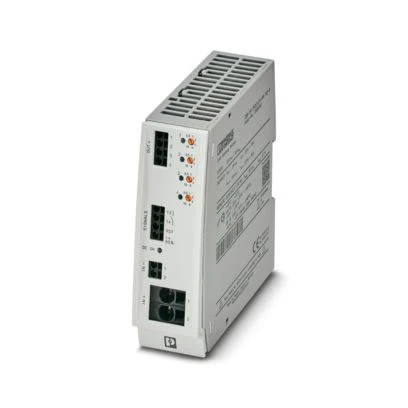
Equipment circuit breakers
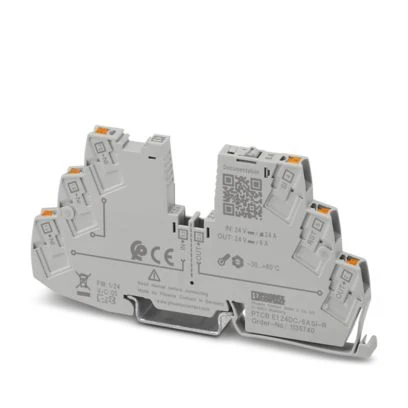
PTCB E1 - Electronic Circuit Breakers

Fibre optic boxes

Phoenix Contact
Fiber-optic distribution boxes
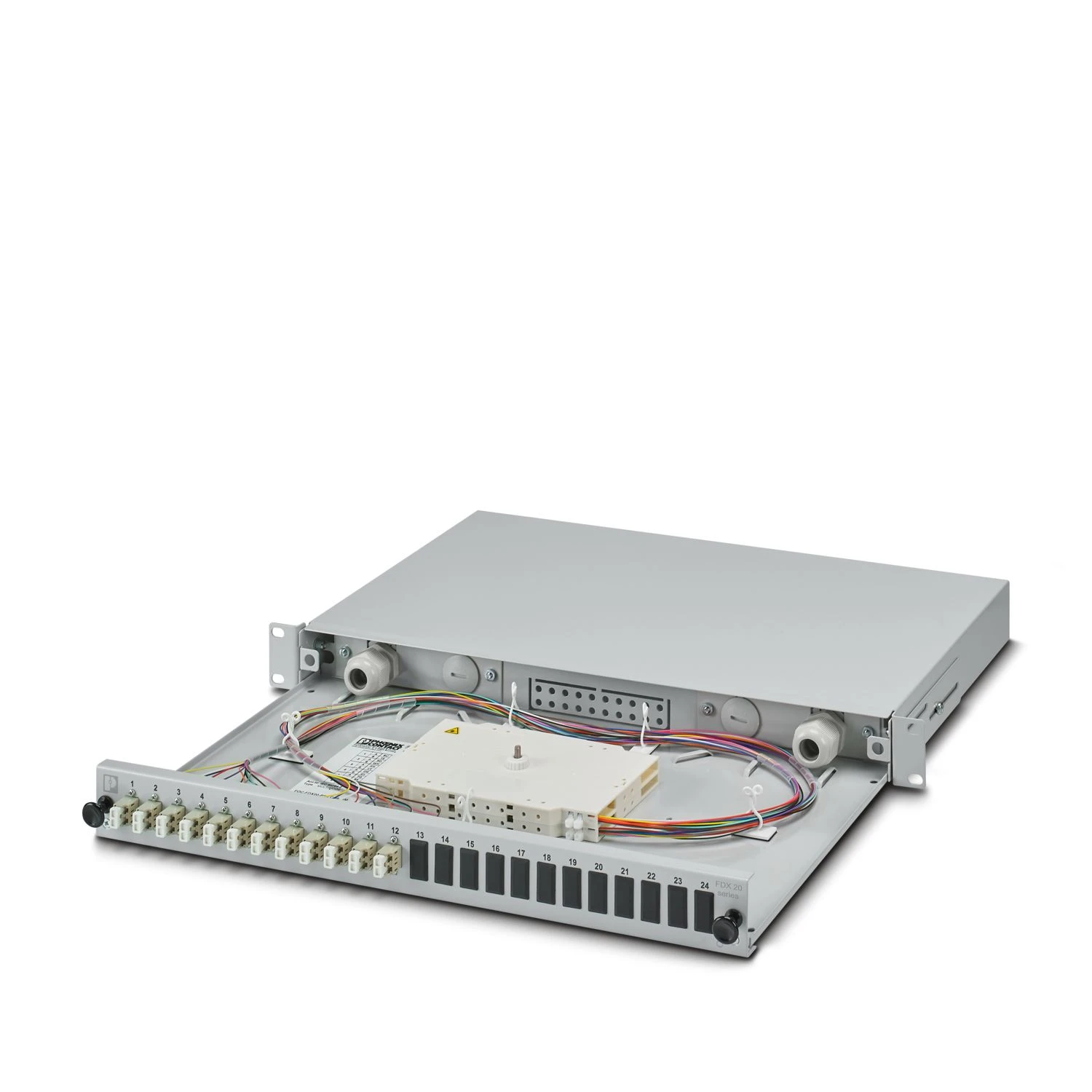
19" Rack-Mount Fiber Optic Boxes
Phoenix Contact
Fiber-optic distribution boxes
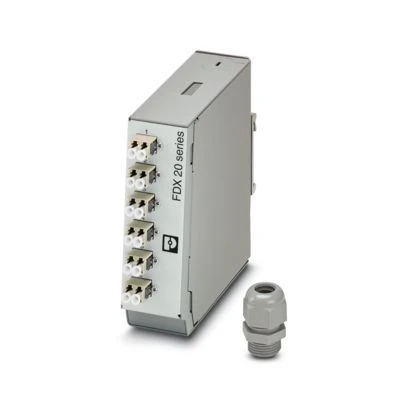
DIN-Rail Fiber Optic Boxes

HMI: pushbuttons, indicator lights and signalling

EAO
Conductor switches
Conductor Switches
EAO
Modular indicators
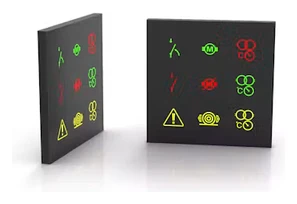
Multi-Legend Alarm Indicators
EAO
Illuminated pushbuttons
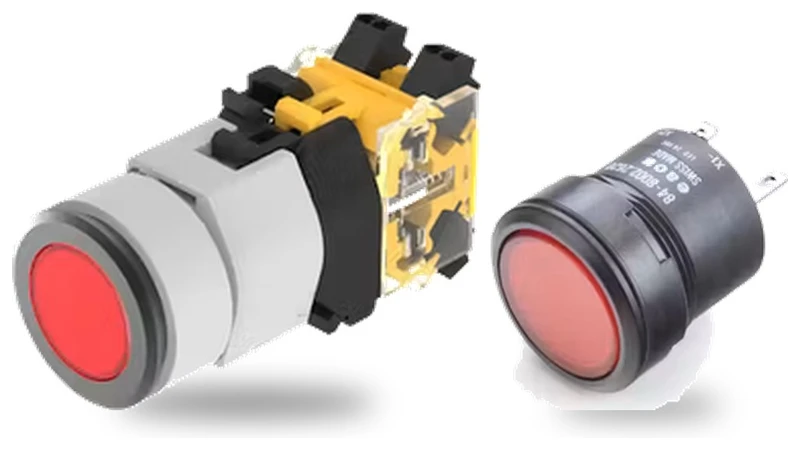
Series 04 and 84 Illuminated Pushbuttons
EAO
Non-illuminated pushbuttons
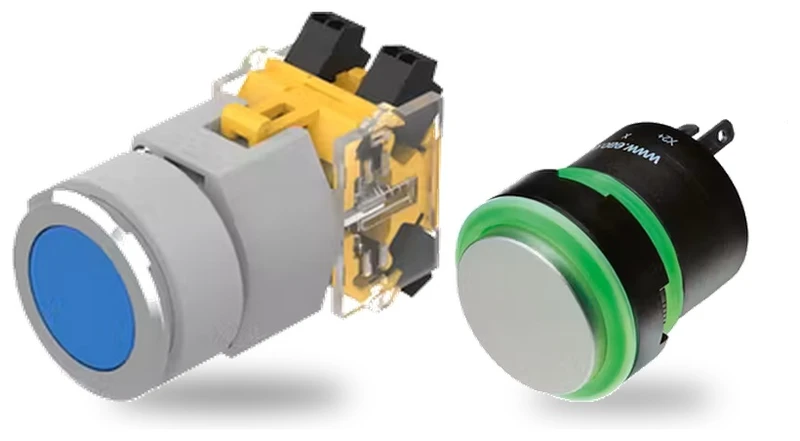
Series 04 and 84 Pushbuttons
EAO
Pushbuttons, indicators and switches for control cabinets
Series 46 EcoTouch HMI Components
EAO
Door-opening buttons
Series 56 and 57 Door Opening Pushbuttons
EAO
Assistance call buttons
Series 57 Call-for-Aid Pushbuttons
EAO
Multi-symbol information indicators
Series 57 Multi-Legend Information Indicators
EAO
Vandal-resistant pushbuttons
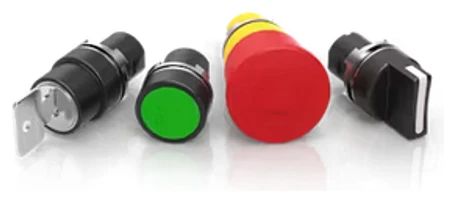
Series 82 - Pushbuttons, Indicator Lights, Selector Switches and Key Switches

Networking and cybersecurity

Phoenix Contact
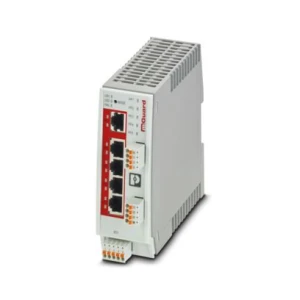
OT cybersecurity
FL MGUARD

Other components

Hengstler
Thermal printers
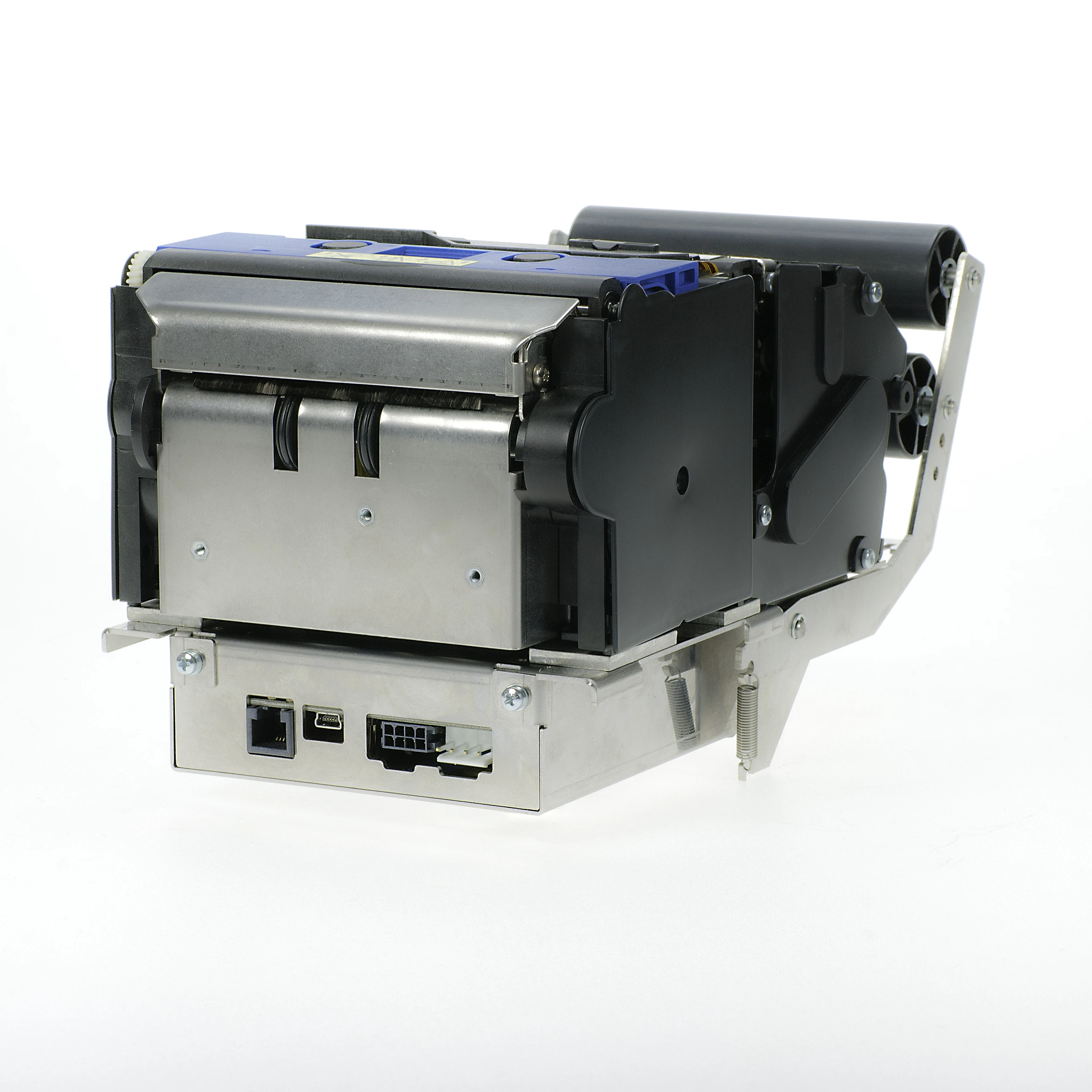
C-56 - Thermal Receipt Printer
Hengstler
Thermal printers
eXtendo X-56 / X-80 - Thermal Printers
Hengstler
Thermal printers
XPM-80 - Ticket Printer

Power supplies and converters

Phoenix Contact
Buffer and redundancy modules
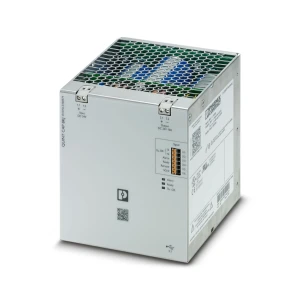
QUINT - Capacitor Modules
Phoenix Contact
DC UPS power supplies
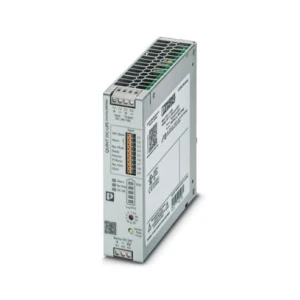
QUINT - Uninterruptible Power Supplies (UPS)
Phoenix Contact
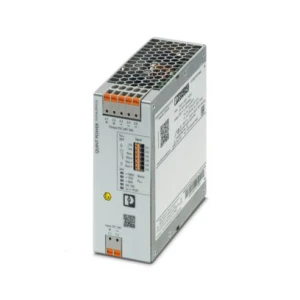
AC/DC switching power supplies
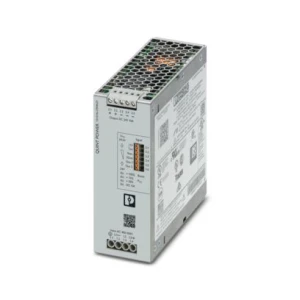
QUINT POWER AC/DC
Phoenix Contact
DC/DC converters
QUINT POWER DC/DC

Sensors, transducers and measurement

Carlo Gavazzi
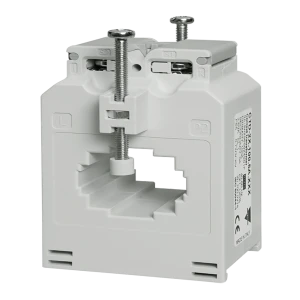
Current transformers
CTD / CTA Series
Carlo Gavazzi
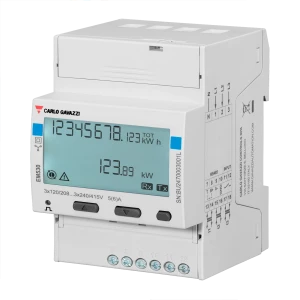
Energy meters
EM530 / EM540
Carlo Gavazzi
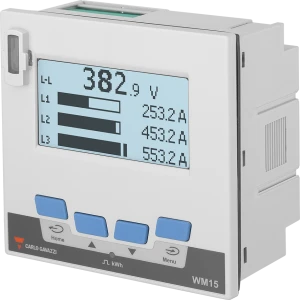
Power analyzers
WM15
Carlo Gavazzi
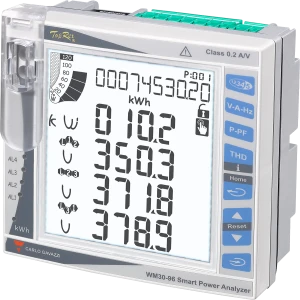
Power analyzers
WM20 / WM30 / WM40

Solid-state relays

Carlo Gavazzi
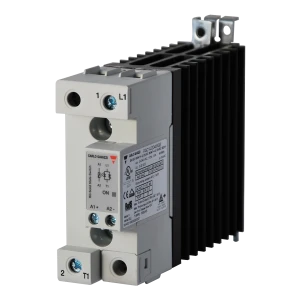
Solid-state relays
RGC2 / RGC3

Surge protection

Phoenix Contact
Surge protection devices (SPD)
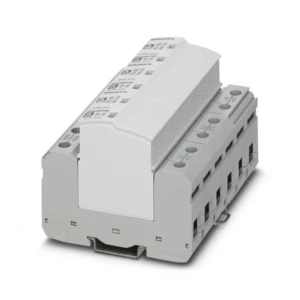
FLT-SEC - Power Supply Protection for Railway Facilities
Mersen
Surge protection devices (SPD)
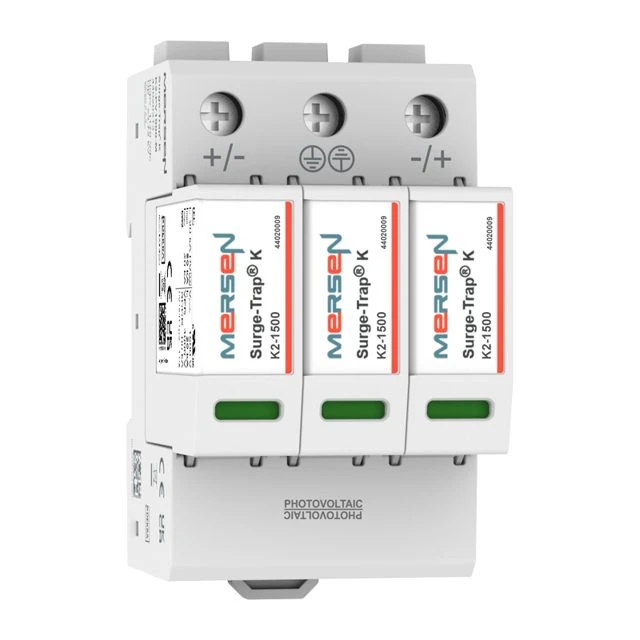
Mersen Surge-Trap K-PV DC Surge Protective Device (Type 2, 1000/1500 V)
Mersen
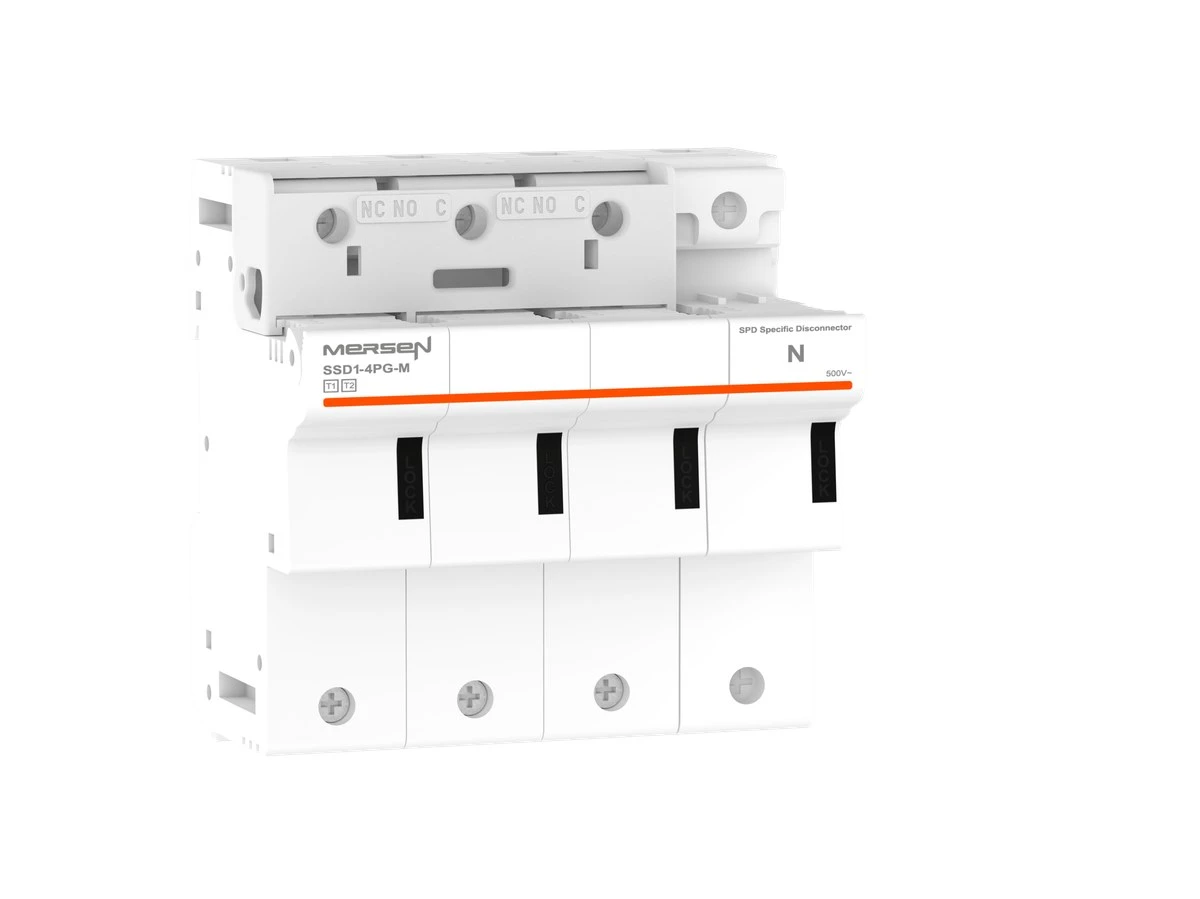
Backup protection for surge protection devices (SSD)
Surge-Trap® K SSD K1 - Backup Protection for Surge Protective Devices (Iimp 12.5 kA)
Mersen
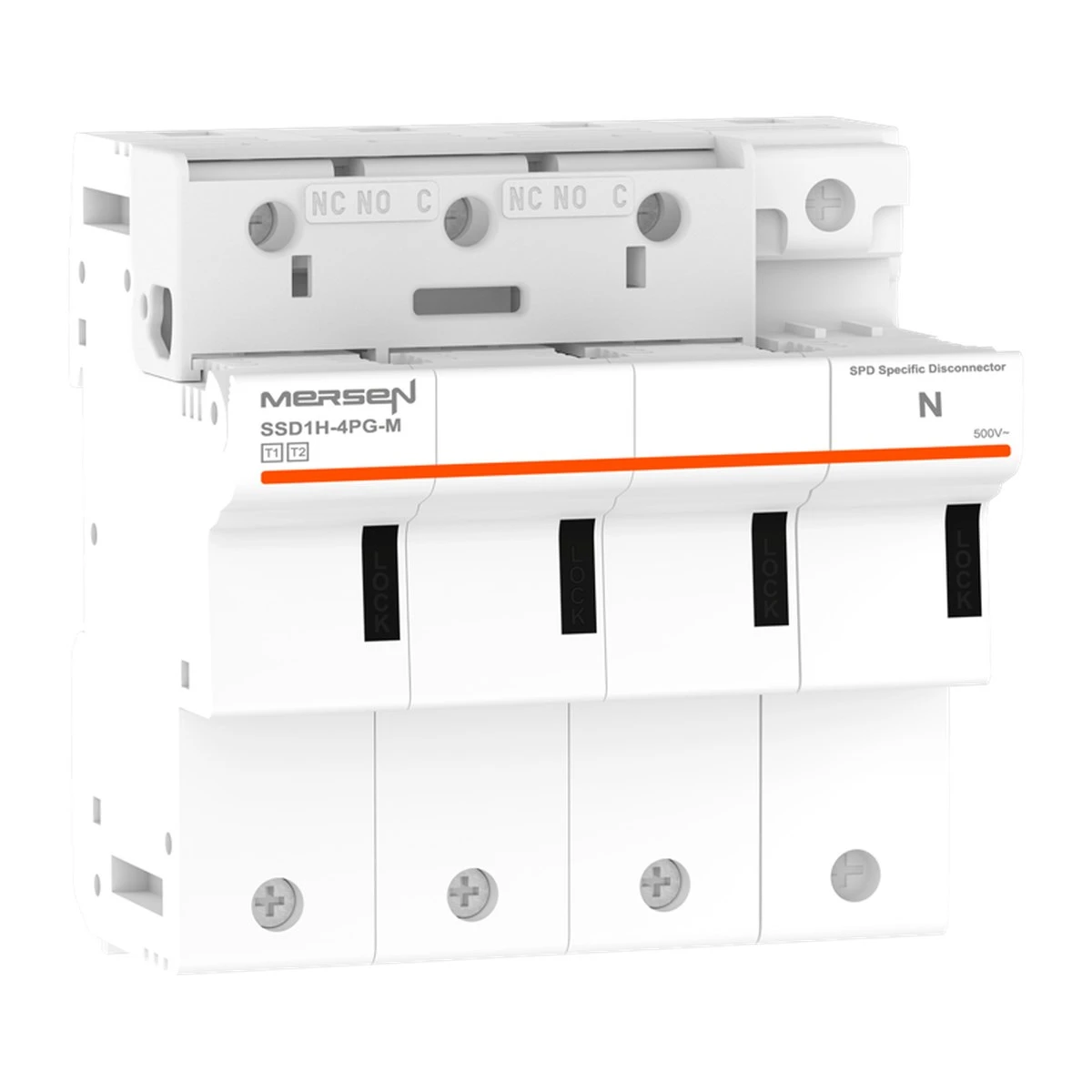
Backup protection for surge protection devices (SSD)
Surge-Trap® K SSD K1H - Backup Protection for Surge Protective Devices (Iimp 25 kA)

Selection criteria - Passenger stations and charging infrastructure

Selection criteria for this area:

  • Vandal resistance and outdoor conditions - platform pushbuttons and indicators: degree of protection, impact resistance, resistance to chemical cleaning and UV exposure; endurance for hundreds of operations per day.
  • Continuity of passenger information - displays and public-address equipment must continue operating after a power failure long enough to communicate service changes; a UPS or buffer module is selected for this required backup time.
  • Surge protection - supply from the LPN and long cable runs to platform displays and loudspeakers; SPDs on power and data lines, with isolation at building-to-building transitions.
  • Public address - class-D amplifiers, 30/100 V loudspeaker line, short-circuit protection, shutdown at excessive temperature and remote monitoring.
  • Shore supply for vehicles - 3×400 V socket with pilot contacts, protection selected for converter inrush current, and connection monitoring; additional 230 V AC and 24 V DC circuits.
  • Accessibility - emergency-call pushbuttons and indicators compliant with TSI PRM requirements for mounting height and contrast; clearly distinguishable acoustic signal.
  • Unattended operation - enclosure-opening monitoring, remote diagnostics of power supplies and SPDs, and labelling that enables maintenance without referring to documentation.

Technical questions

Where does a passenger station get its power from?

From the non-traction auxiliary line (LPN) at 15, 20 or 6 kV running along the route from the traction substation and stepped down at a transformer point to 0.4 kV; the LPN supplies stations, stops, ticket-office buildings and railway traffic-control equipment. In urban areas, facilities may also be supplied from the local utility's 230/400 V network.

Why do platform displays have train-departure sensors?

End-of-platform displays use sensors to detect that the train has departed so the displayed information can be cleared automatically without staff intervention. Displays, secondary clocks and public-address systems operate in a centrally controlled system from a dispatch centre or master-clock system.

What requirements apply to a platform shore-supply point for rolling stock?

New vehicles are designed for external 3×400 V supply through a six-contact connector, including pilot contacts that control energization and prevent the vehicle from moving with the cable connected. Additional 230 V AC and 24 V DC sockets are also used. The available power limits which onboard systems can operate - usually air conditioning and heating remain off.

What are the typical parameters of a station public-address system?

According to PKP PLK requirements for telecommunications systems: class-D amplifiers rated at at least 100 W, 30 or 100 V loudspeaker lines, 300–18,000 Hz bandwidth, line short-circuit protection, load disconnection at excessive temperature, self-test and SNMP monitoring.