Passenger compartment

Passenger compartment

The passenger compartment is the largest consumer of auxiliary energy in a vehicle. Heating and air conditioning operate at 3×400 V from a converter or the train busbar, passenger sockets at 230 V 50 Hz, and lighting, passenger information systems and chargers at 24 V or 110 V DC. The train busbar specified by UIC 552 carries 800 A at 1000 V 16⅔/50 Hz, 1500 V AC/DC or 3000 V DC, and coach converters must withstand overloads and short circuits on the load side.

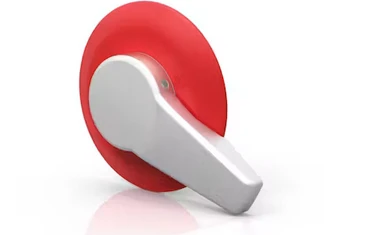
Heating and air-conditioning circuits combine high power with frequent switching cycles - a natural application for solid-state relays with load monitoring. Passenger circuits are the only circuits in the vehicle directly accessible to the public: sockets, buttons, chargers and emergency-brake handles must withstand vandalism and misuse. In a modern vehicle, the emergency brake does not directly vent the main brake pipe - it sends a signal to the cab. Away from a platform, the system introduces a delay of 10 ± 1 s; during this time the driver can inhibit automatic braking and move the train out of a tunnel instead of stopping it in the worst possible location. Non-metallic materials in the passenger area are subject to EN 45545-2 with an HL level determined by the vehicle category and the tunnels on its route.

Equipment used in this area includes: solid-state relays and contactors for heating, ventilation and air conditioning, protection for 3×400 V and 230 V circuits, information pushbuttons and indicators, assistance-call buttons, USB and inductive chargers, seat-reservation systems, onboard printers, connectors and enclosures for onboard electronics.

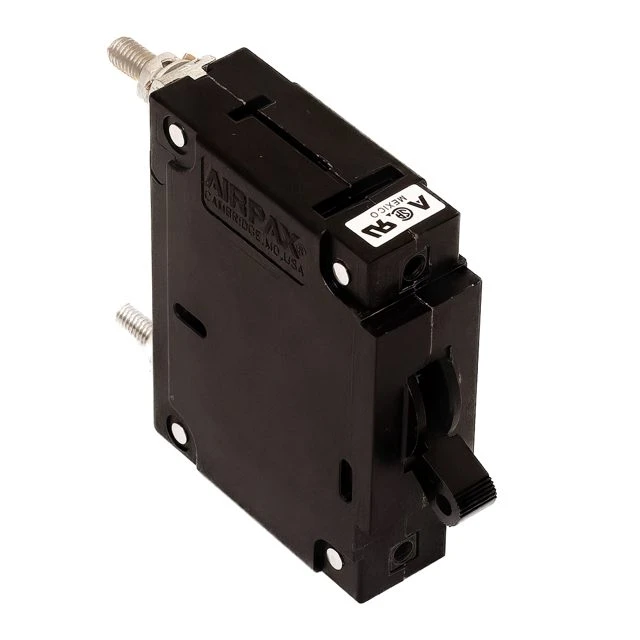
Airpax hydraulic-magnetic circuit breakers

Sensata
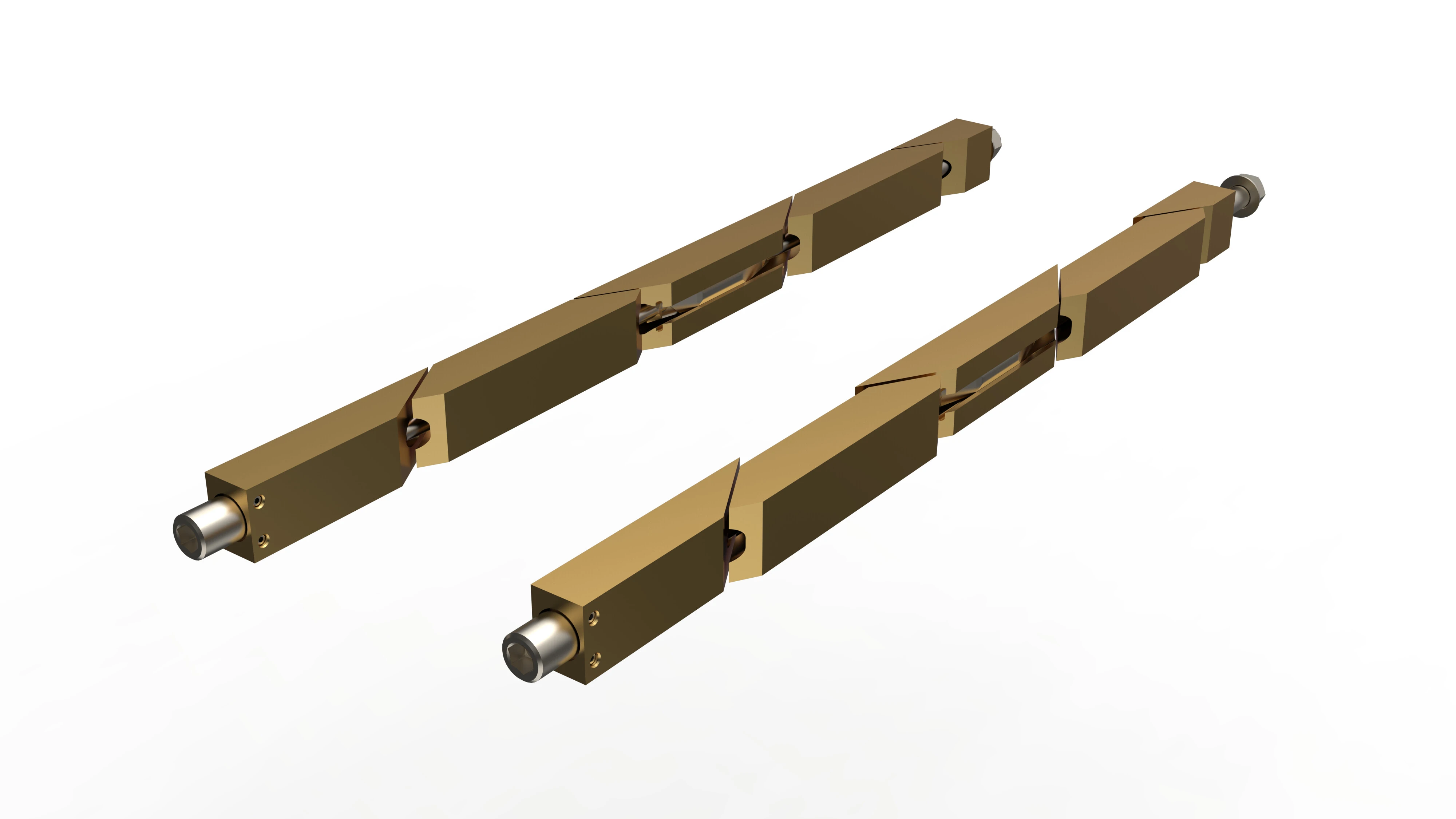
Hydraulic-magnetic circuit breakers - panel mount
Airpax IAL/IUL/IEL/IML/LML Panel-Mount Circuit Breaker (214)

Connectors

Phoenix Contact
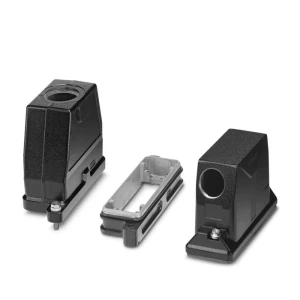
HEAVYCON industrial connectors
HEAVYCON - Modular Industrial Connectors
Phoenix Contact
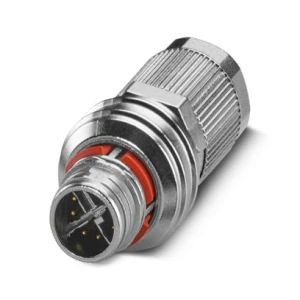
M12 signal and data connectors
M12 RAIL (Push-Pull)

Enclosures and cabinets

nVent Schroff
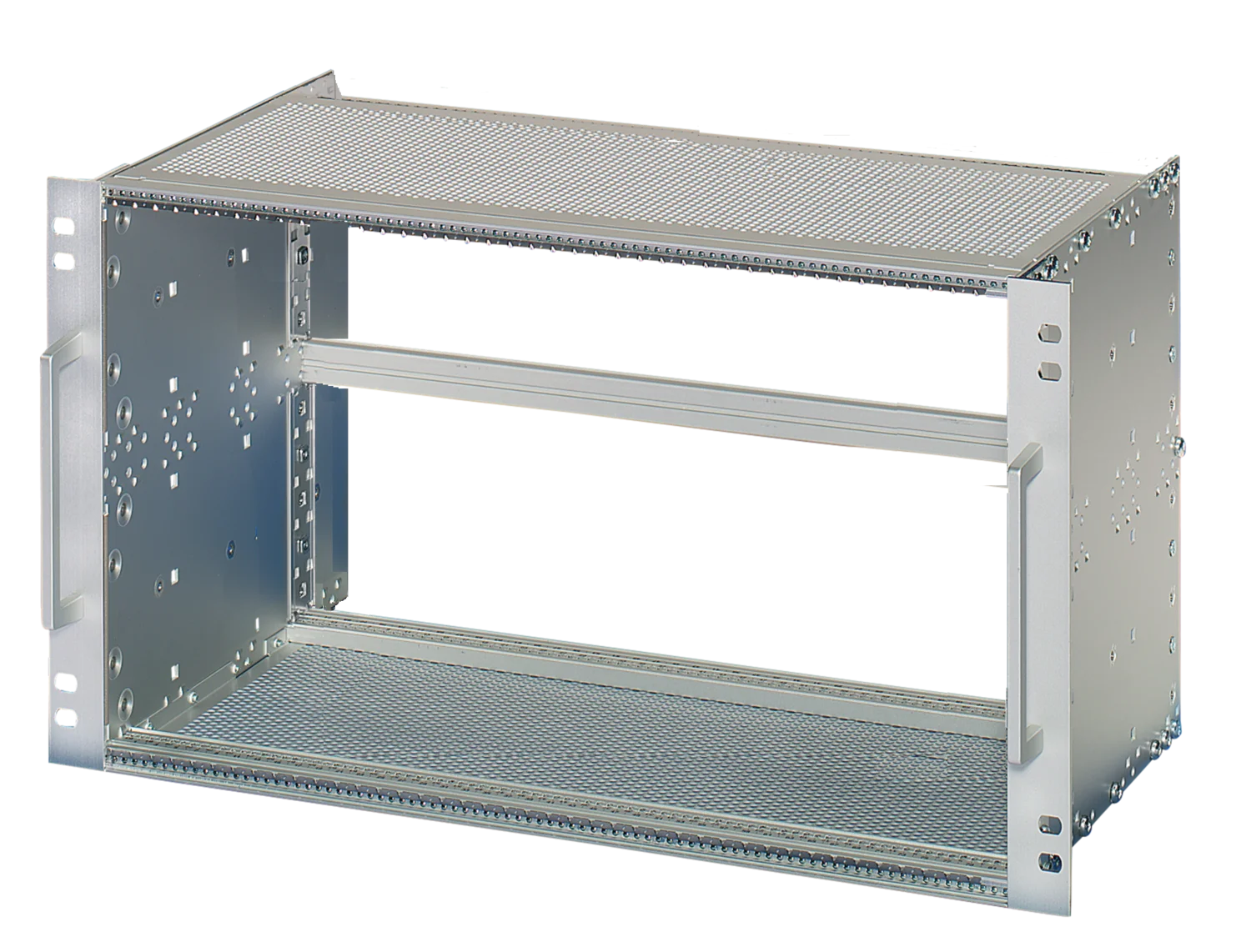
Onboard subracks
EuropacPRO Subrack - Onboard (Railway) Version
nVent Schroff
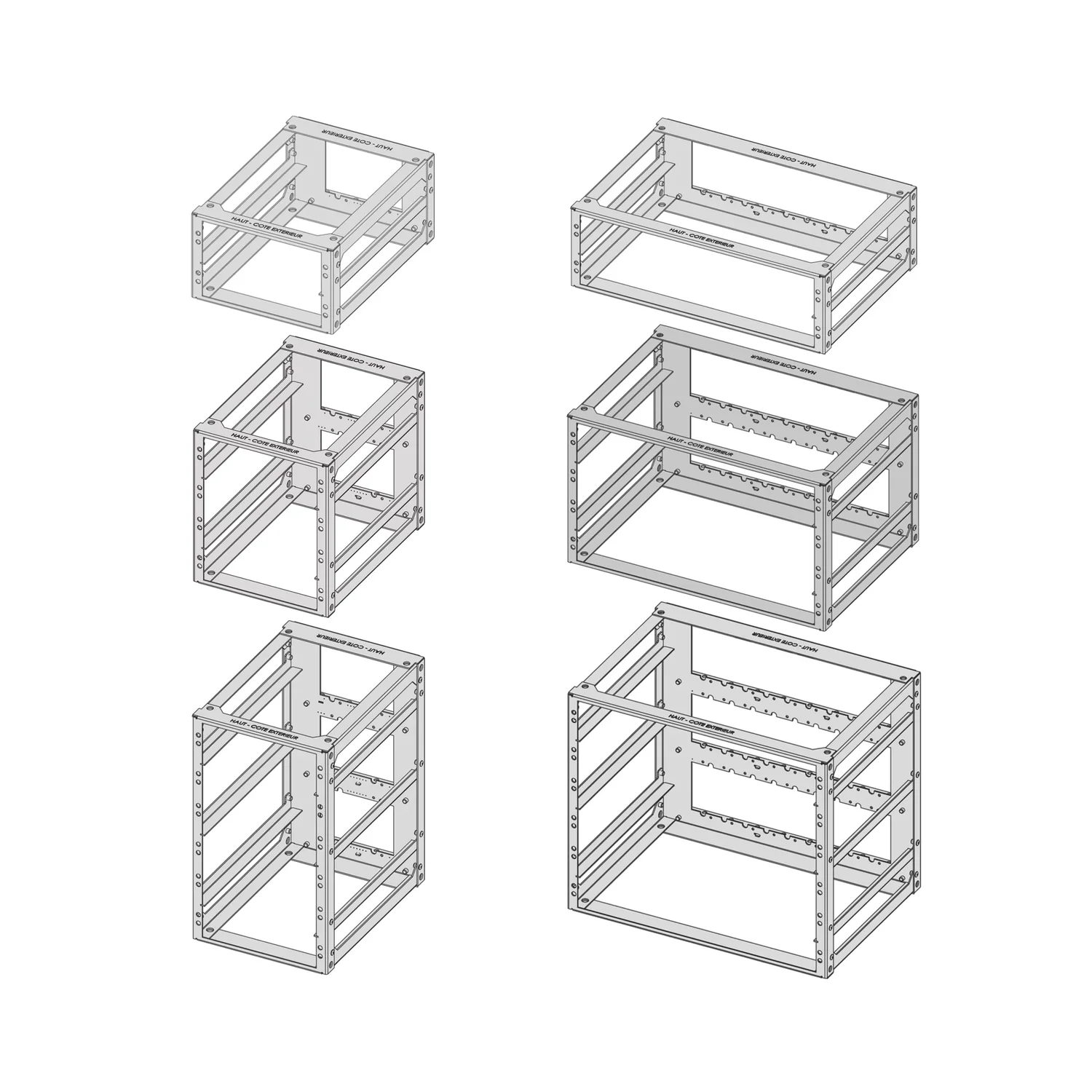
Onboard racks
On Board Rack (OBR)
nVent Schroff
Onboard cabinets
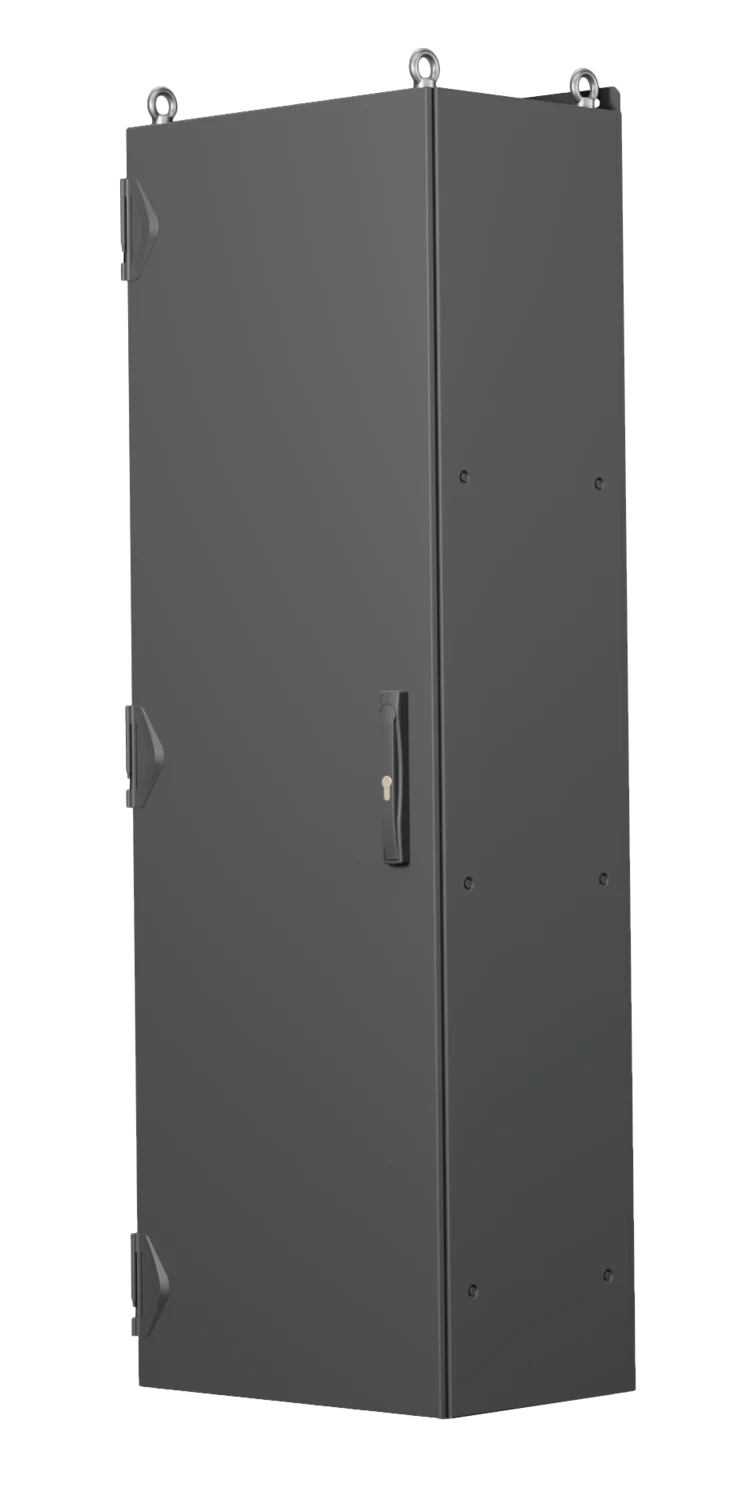
Varistar CP Onboard Cabinet for Rolling Stock

Equipment protection circuit breakers

Phoenix Contact
Equipment circuit breakers
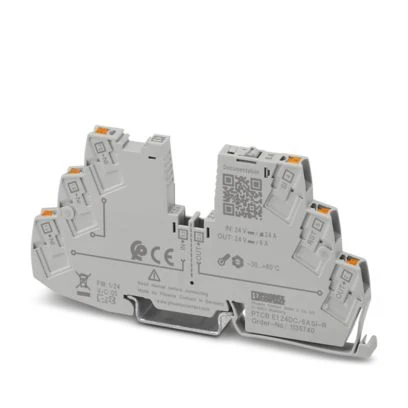
PTCB E1 - Electronic Circuit Breakers

HMI: pushbuttons, indicator lights and signalling

EAO
Illuminated pushbuttons
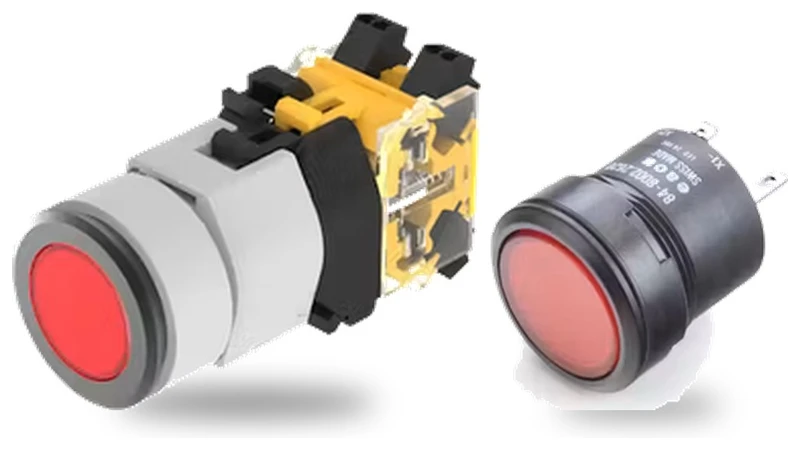
Series 04 and 84 Illuminated Pushbuttons
EAO
Non-illuminated pushbuttons
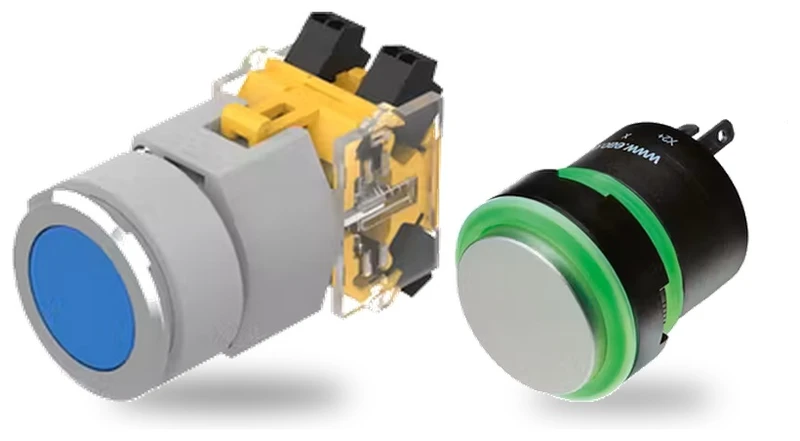
Series 04 and 84 Pushbuttons
EAO
Sanitary and toilet systems
Series 56 Toggle Switches
EAO
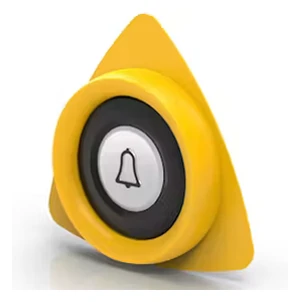
Assistance call buttons
Series 57 Call-for-Aid Pushbuttons
EAO
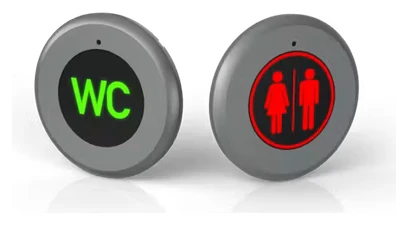
Multi-symbol information indicators
Series 57 Multi-Legend Information Indicators

Other components

Hengstler
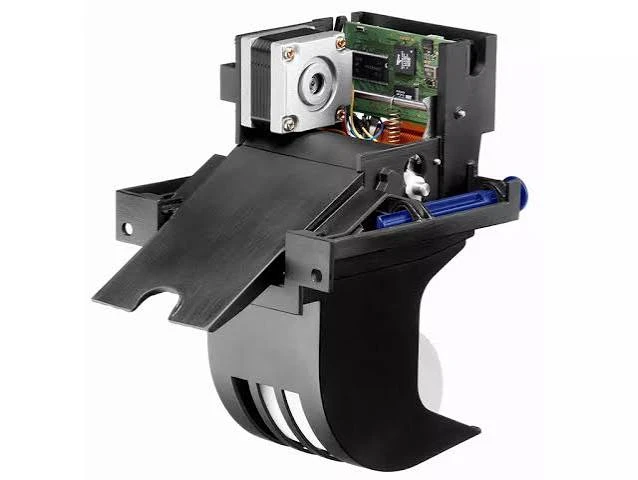
Thermal printers
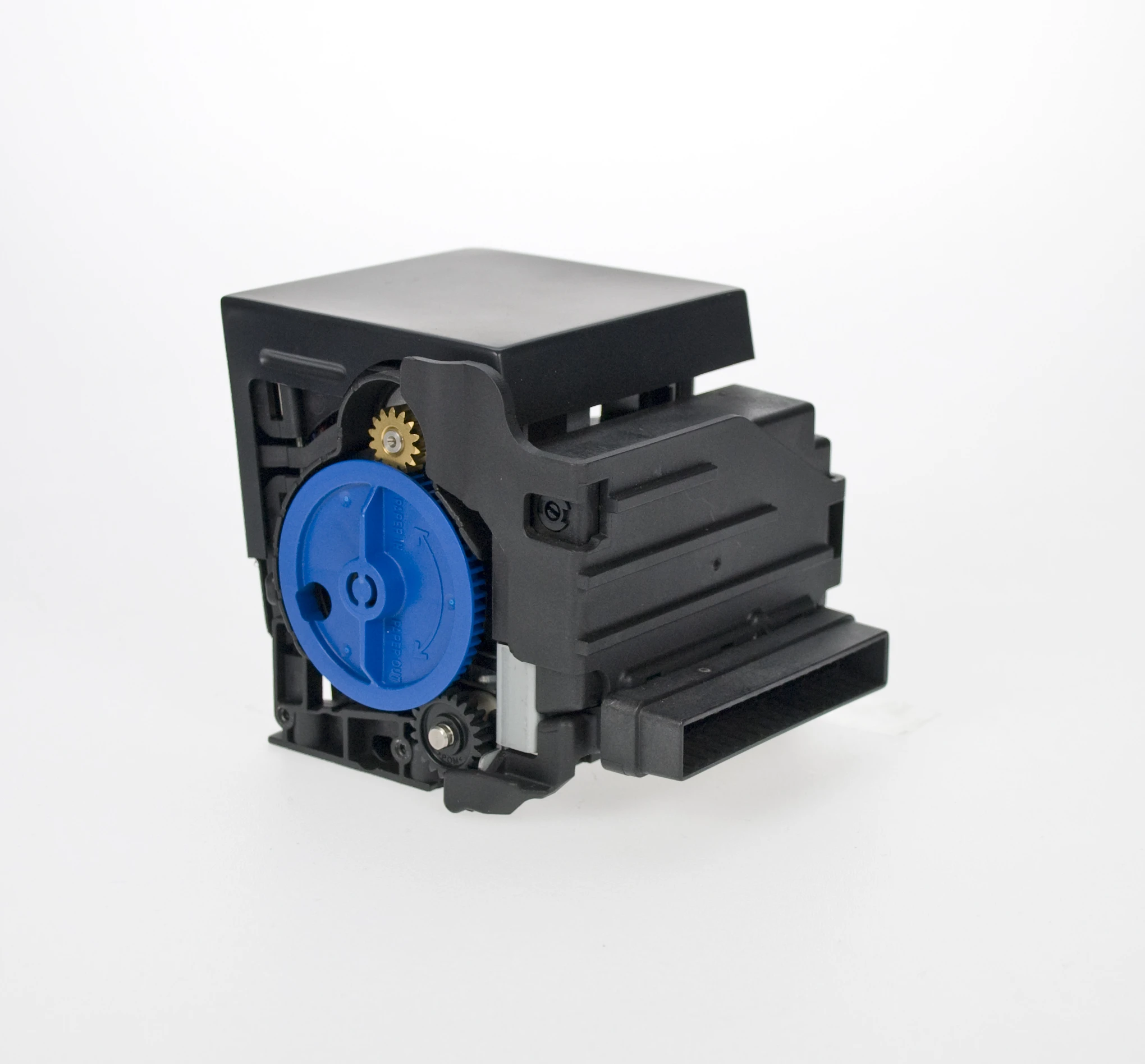
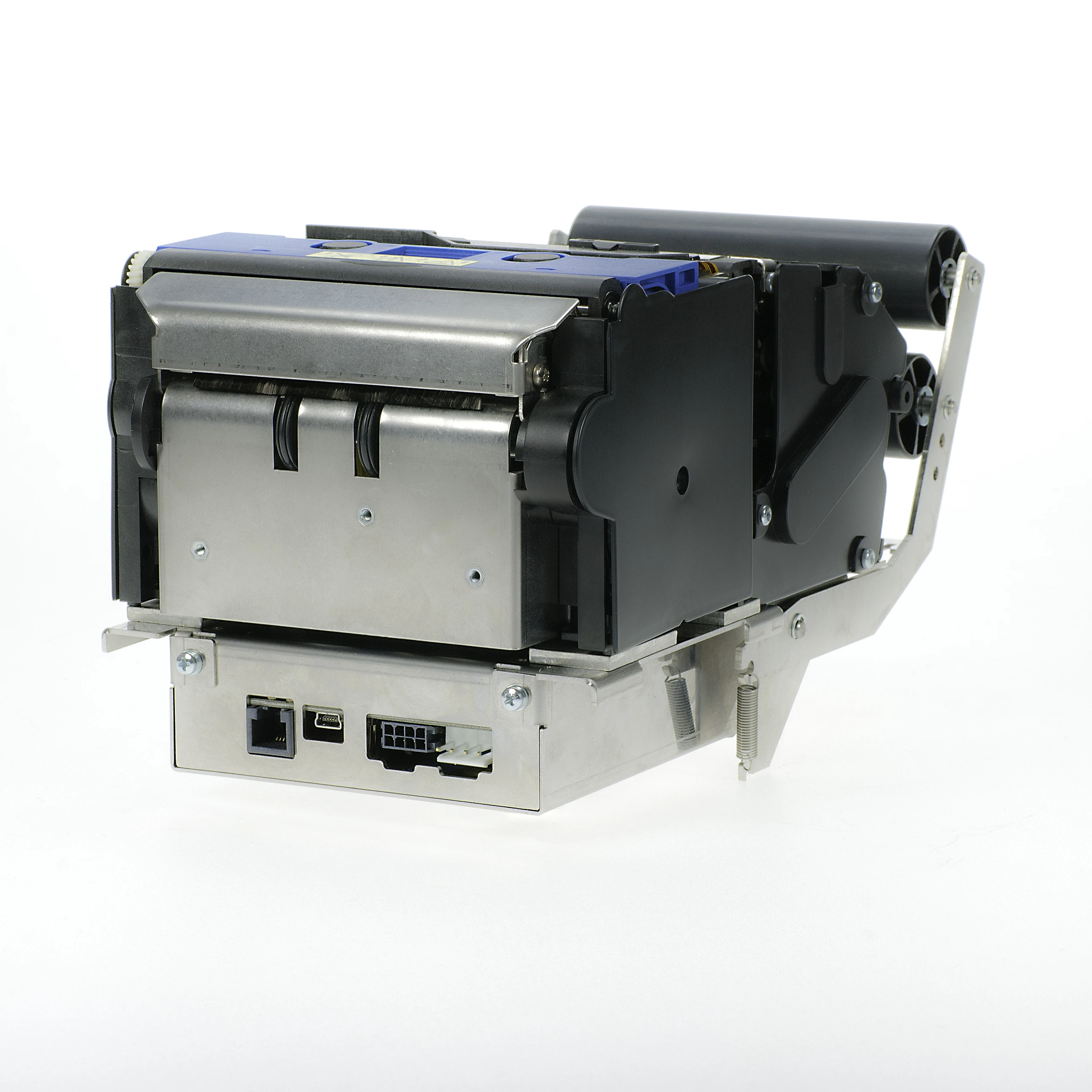
C-56 - Thermal Receipt Printer
nVent Schroff
PCB retaining components
Card-Lok / Wedge-Lok PCB Retainers - Onboard Applications
Hengstler
Thermal printers
eXtendo X-56 / X-80 - Thermal Printers
EAO
Passenger information system
Seat Reservation System
EAO
Mobile-device charging solutions
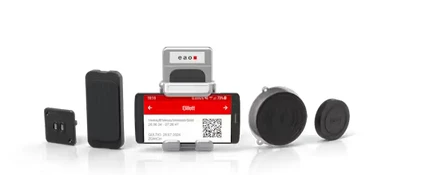
USB-C and Wireless Chargers
Hengstler
Thermal printers
XPM-80 - Ticket Printer

Solid-state relays

Sensata
AC solid-state relays - panel mount
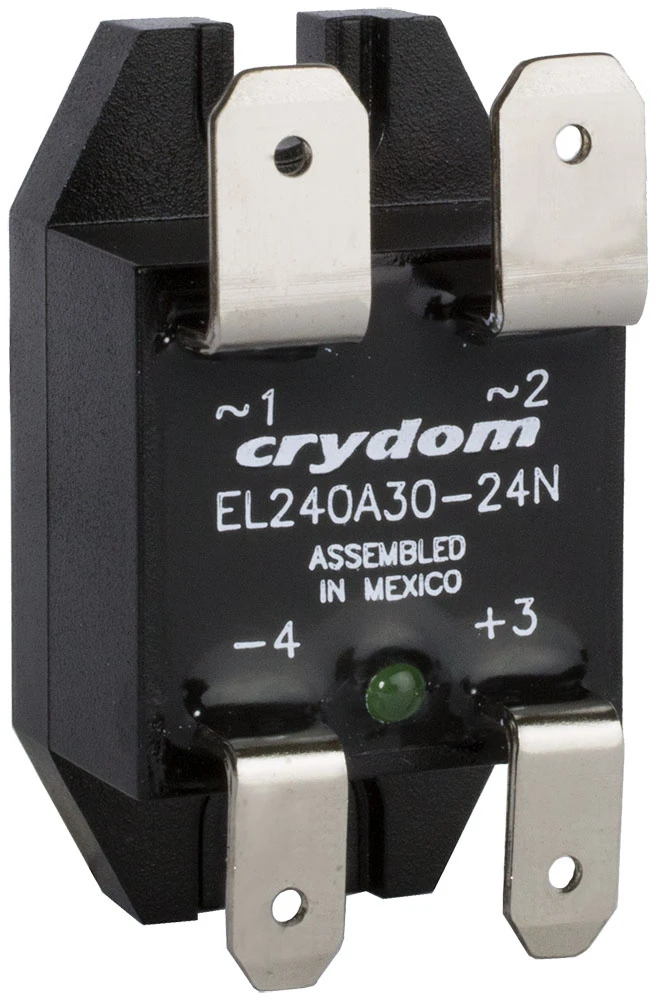
Crydom EL Compact Panel-Mount AC Solid-State Relay (5–30 A)
Sensata
AC solid-state relays - DIN rail
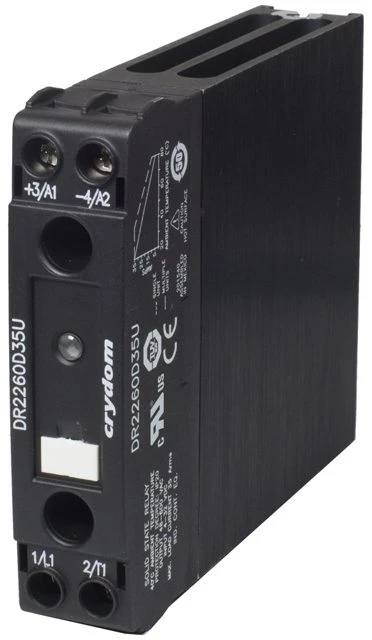
Crydom NOVA22 DR22 DIN-Rail AC Solid-State Relay (up to 35 A/600 V)
Sensata
AC solid-state relays - DIN rail
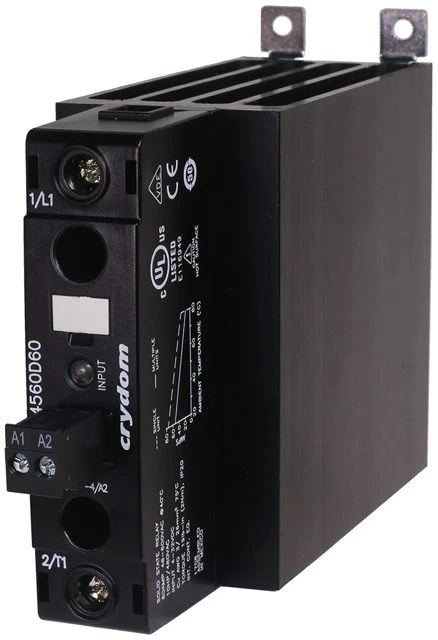
Crydom NOVA22 DR45 DIN-Rail AC Solid-State Relay (up to 60 A/600 V)
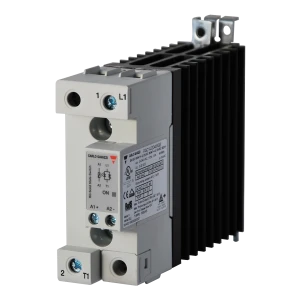
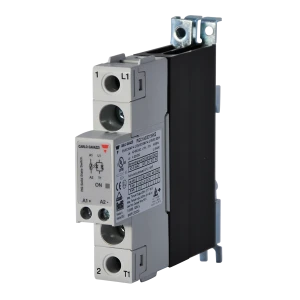
Carlo Gavazzi
Solid-state relays
RGC2 / RGC3
Carlo Gavazzi
Solid-state relays
RGH

Selection criteria - Passenger compartment

Selection criteria for this area:

  • Load type - heaters are resistive loads with high continuous current, while air-conditioning systems include compressors and fans with starting currents; solid-state relays are selected for current and blocking voltage with a margin for onboard-network overvoltages, and with adequate cooling for continuous duty.
  • Onboard-network voltages - 3×400 V AC from a converter is not a stiff utility network; tolerances and interruptions for 24/110 V DC follow EN 50155, while AC parameters follow the converter documentation.
  • Protection of 230 V sockets - circuits accessible to passengers require overcurrent and residual-current protection with characteristics suitable for leakage currents generated by chargers.
  • Fire behaviour and smoke - EN 45545-2 for enclosures, pushbuttons and covers; the required HL level depends on the vehicle's operating and design category.
  • Vandal resistance and cleaning - pushbuttons and sockets are within passenger reach; wall-mounted and toilet-area components require appropriate ingress and mechanical protection.
  • Indication and passenger information - indicator readability under varying light conditions, contrast according to EN 16584-1, and multi-tone acoustic signals distinguishable from door signals.
  • Diagnostics - heater-load monitoring (a failed heater means a cold compartment in winter) and power-supply status reported to the vehicle controller.

Technical questions

Where does a passenger coach get energy for heating and air conditioning?

From the train bus supplied by the locomotive (according to UIC 552: 1000 V at 16⅔/22/50 Hz, 1500 V 50 Hz, 1500 V DC or 3000 V DC, up to 800 A) through the coach's own converter to 3×400 V, or in electric multiple units directly from the vehicle's static converters. The converter must withstand overloads and short circuits on the load side.

Why are solid-state relays used for heating?

Heaters switch frequently and carry high current; a solid-state relay has no mechanical contacts to wear out, can switch at zero crossing and enables proportional control. In return, it requires cooling and a blocking-voltage rating with sufficient margin for onboard-network overvoltages.

What happens when the passenger emergency brake handle is pulled?

In a conventional coach, a valve vents the main brake pipe and the train brakes immediately. In a modern vehicle, the handle may send only a signal to the cab. At a platform or during departure, braking occurs without delay. Away from the platform, the system waits 10 ± 1 s - during this time the driver may inhibit automatic braking to avoid stopping the train inside a tunnel.

How does tunnel category affect passenger-compartment equipment?

A vehicle is approved for tunnel category A (up to 5 km) or B (over 5 km). Category B requires an active fire-suppression system and stricter material requirements under EN 45545-2; this affects the selection of enclosures, covers and pushbuttons in passenger areas.