


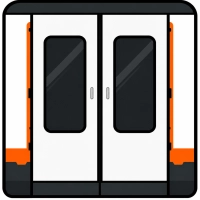
A vehicle is not permitted to move until every door is closed and locked: the door controller collects signals from lock limit switches, photocells, obstacle sensors and drive-motor current sensing, and its decision closes or opens the “green loop” - the signal confirming that all doors are locked. The system must prevent operation with doors open above 3 km/h, close the doors automatically after the vehicle starts moving, and disengage the emergency handles above 10 km/h.
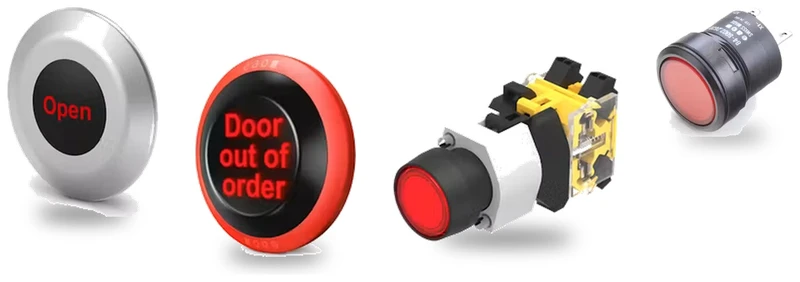
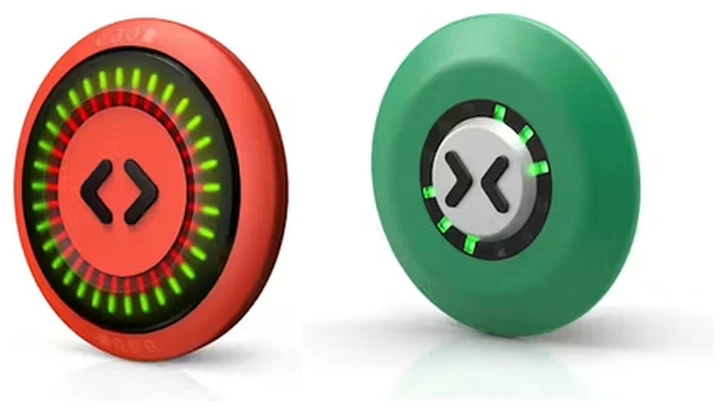
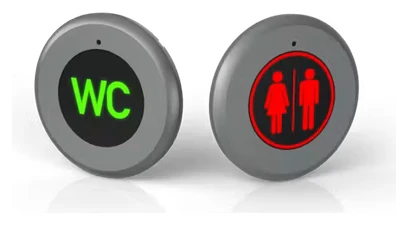
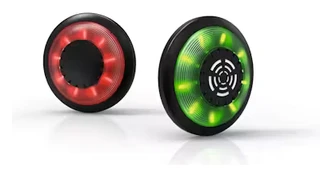
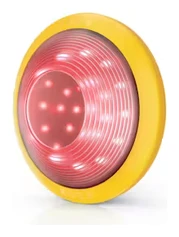
The passenger interface is strictly defined by regulations. The door-opening button illuminates green when opening is permitted; if pressed while the doors are locked, it stores the request and illuminates red. It is installed at a height of 800–1200 mm (TSI PRM: 800–1100 mm). The acoustic opening signal lasts 5 s, while the closing signal starts at least 2 s before closing. The green door button is the only permitted green light on the exterior of the vehicle. Requirements are derived from EN 14752, TSI PRM Regulation (1300/2014), TSI LOC&PAS Regulation (1302/2014), and EN 16584-1 for contrast.
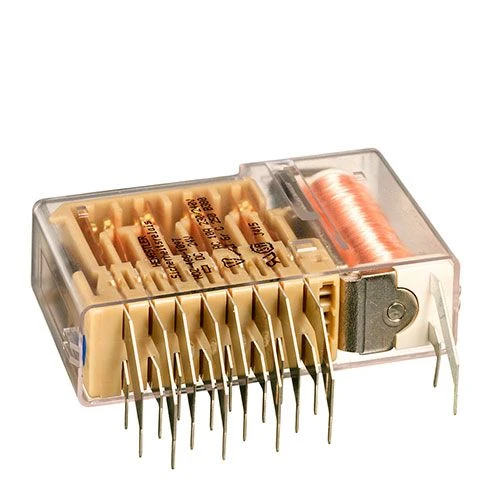
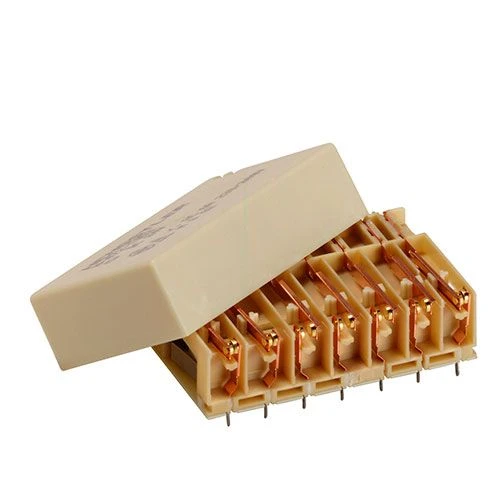
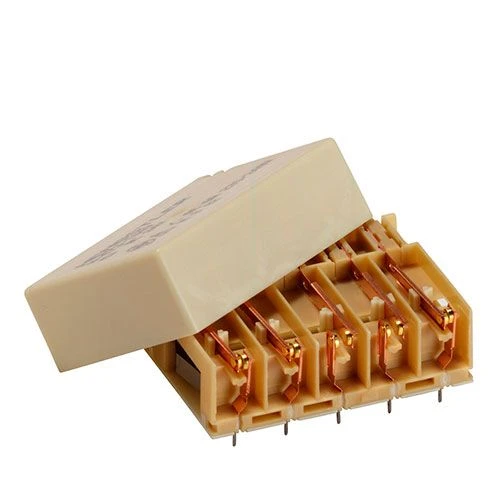
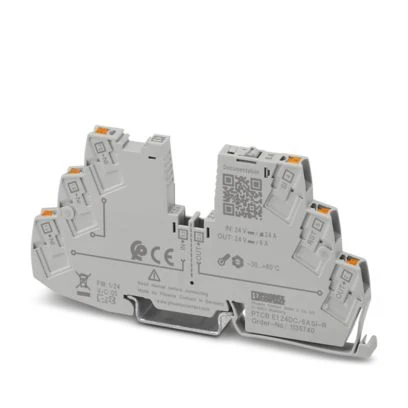
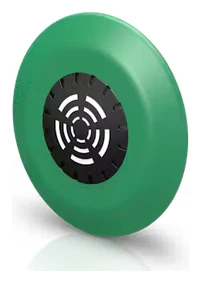
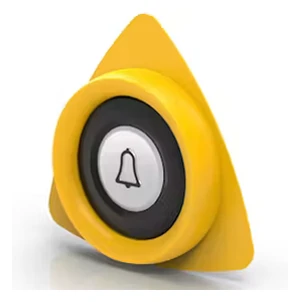
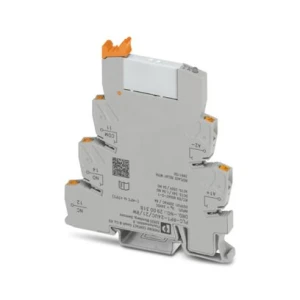
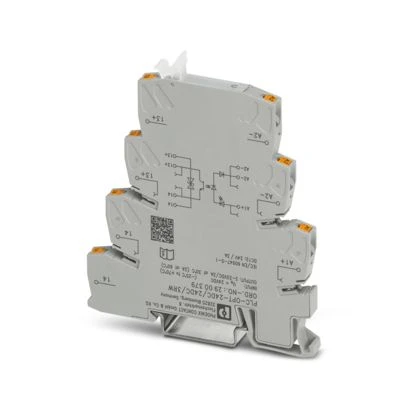
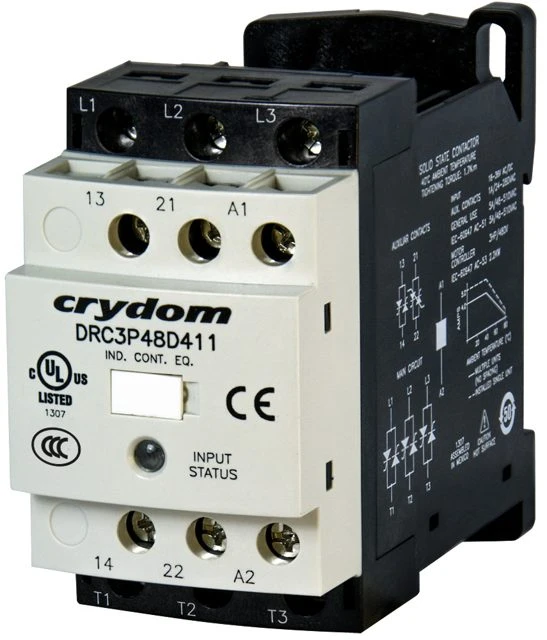
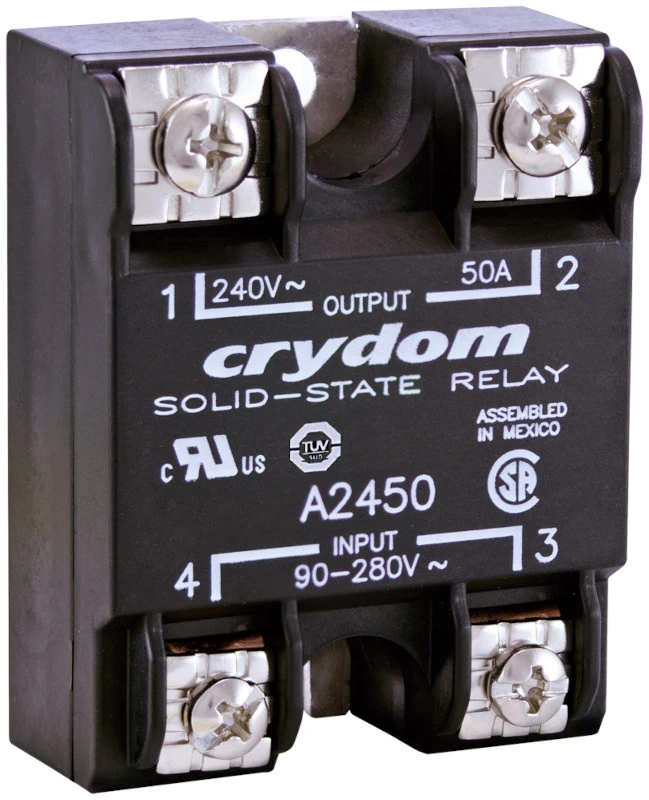
Equipment used in this area includes: illuminated pushbuttons and assistance-call buttons, visual indicators and sound modules, signalling and interface relays for the door loop, protection for drive and controller circuits, door-leaf and step position sensors, and signal connectors for the door leaf and retractable step.

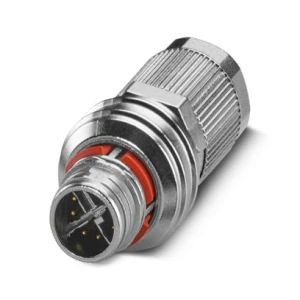

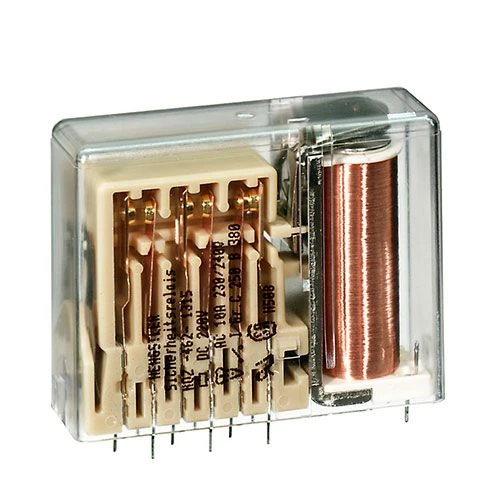
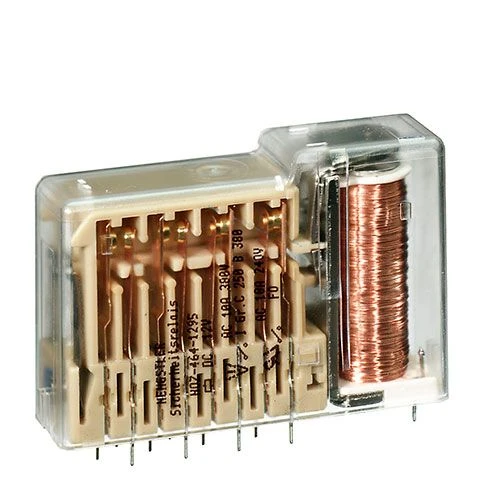


Selection criteria for this area:
Using several independent methods: photocells in the doorway, active edge seals, obstacle sensors in the lintel, and motor-current monitoring - if the current rises above a threshold while the door leaf does not move, the controller treats it as an obstruction and reverses the door. Regulations define permissible squeezing forces.
The door controller treats the step as part of the door system: a step that has not retracted because of ice or contamination means the door is not fully closed, so the interlock signal is not generated and the vehicle cannot move. This is why steps are equipped with heating and water drainage.
The opening signal lasts 5 s, the closing signal begins at least 2 s before the door leaf starts moving, and the red visual signal starts 2 s before closing and remains active for at least 2 s after closing. An additional external door-location sound helps visually impaired passengers find the entrance.
Yes. An onboard pushbutton is subject to EN 50155 and EN 61373 (vibration) as well as EN 45545-2 (fire behaviour), while its operating logic and mounting height follow TSI PRM and EN 14752. A platform pushbutton is part of infrastructure equipment and primarily requires vandal and weather resistance.