Boeing method: toxic-gas concentrations during material combustion in an NBS smoke chamber.
The method determines concentrations of toxic gases emitted by a material during combustion in an NBS smoke chamber according to ASTM E662, with the specimen mounted vertically. Boeing uses it for aircraft cabin interior materials; procurement specifications for US passenger rolling stock cite it together with ASTM E162 and ASTM E662.
Measured gases: CO, HCN, HF, HCl, SO2, NOx; additionally CO2 and HBr for comparison.
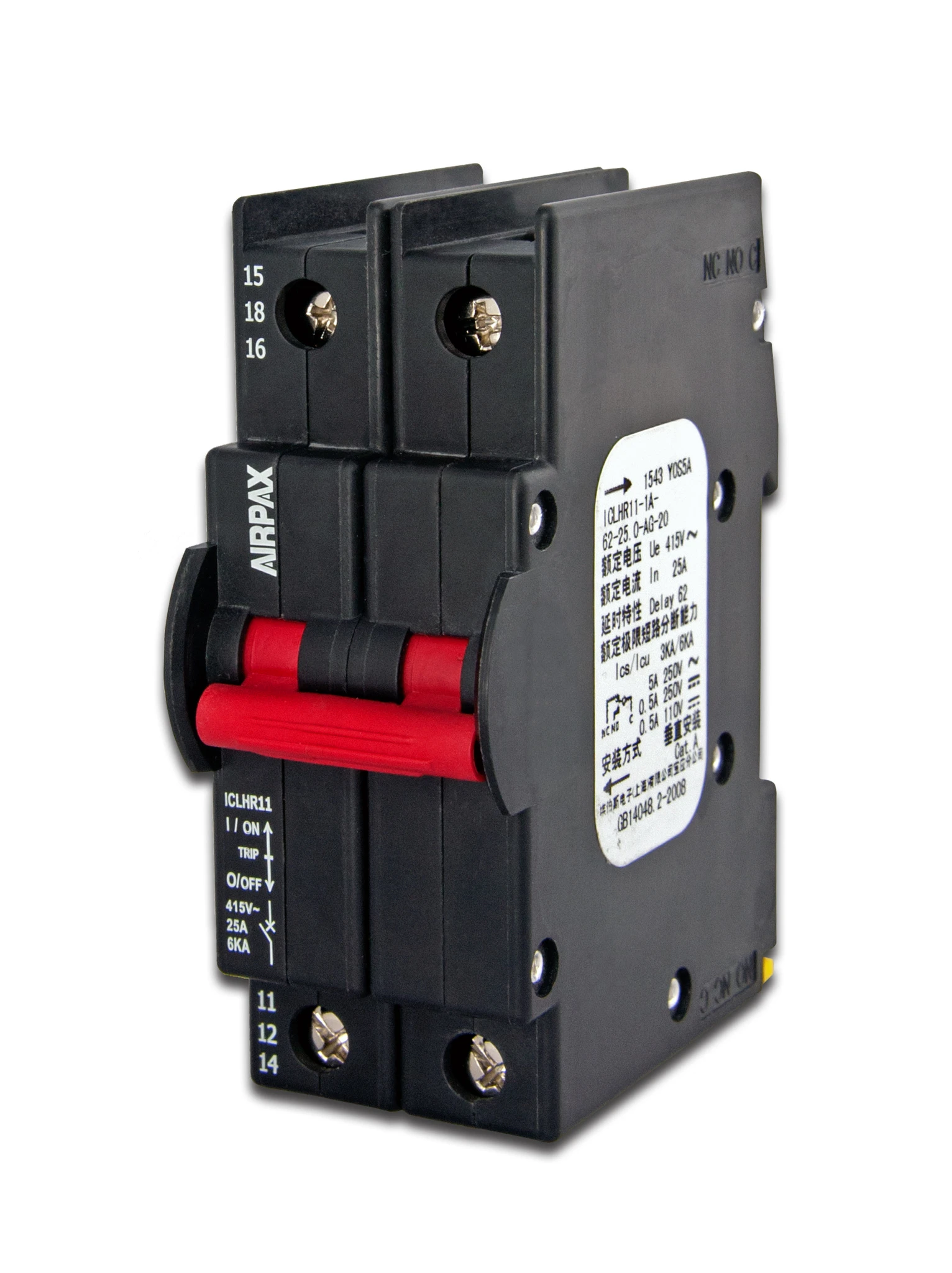
A “BSS 7239” statement in a circuit-breaker datasheet means that the enclosure material or complete product was burned in an NBS chamber and the concentrations of six gases after 4 minutes remained within limits adopted by the manufacturer or purchaser. It demonstrates limited emission of toxic gases under one thermal scenario (25 kW/m²).
The statement alone does not demonstrate compliance with EN 45545-2, which uses different apparatus (ISO 5659-2, horizontal specimen), FTIR analysis, measurements after 4 and 8 minutes, and a dose-based CIT index instead of concentration thresholds.
A 3 in × 3 in (75 mm × 75 mm) specimen is mounted vertically in an NBS smoke chamber (ASTM E662 apparatus) and exposed to a heat flux of 25 kW/m² in flaming (pilot ignition) and non-flaming modes. Four minutes after the test begins, a gas sample is taken from the chamber; sampling lasts up to 2.5 minutes.
CO, HCN, HF, HCl, SO2 and NOx concentrations are determined using Dräger detector tubes; the specification permits other methods, such as NDIR analyzers. Results are compared with concentration limits in ppm; in Bombardier SMP 800-C (a related method), glass tubes are prohibited and sampling extends to 16 minutes.
Ask the manufacturer for the test report: laboratory, specification revision, tested material or product, measured concentrations and the limits against which they were assessed - the purchaser sets the limits, so “BSS 7239” alone has no numerical meaning without the report. For a project under EN 45545-2, require a separate ISO 5659-2 report with the CIT index for the required requirement set R and hazard level HL.