



The current collector is the vehicle’s only moving point of contact with the overhead line. In a 3 kV DC system it operates with a contact force of 70–120 N, and in AC systems at 45–105 N, with the contact wire positioned 4.9 to 6.1 m above the top of rail and with stagger of up to 0.4 m on curves. Everything installed at and downstream of the current collector operates under continuous vibration, displacement and impact, at temperatures from −25 to +70 °C, and in icing and frost conditions.
Three phenomena broadly determine equipment selection in this zone. The first is overvoltage: switching surges from the vehicle’s own apparatus and lightning surges from the overhead line - a surge arrester is installed on the roof at each disconnector, and its continuous operating voltage and discharge current are selected according to the line voltage and insulation class. The second is the electric arc created when the contact strip loses contact with the wire - the strip must withstand heating and the resulting energy impulse. The third is safety in the event of contact-strip damage: the ADD system automatically lowers the pantograph when pressure is lost in the strip channel, and information about its state must reach both the driver’s cab and the main circuit breaker.
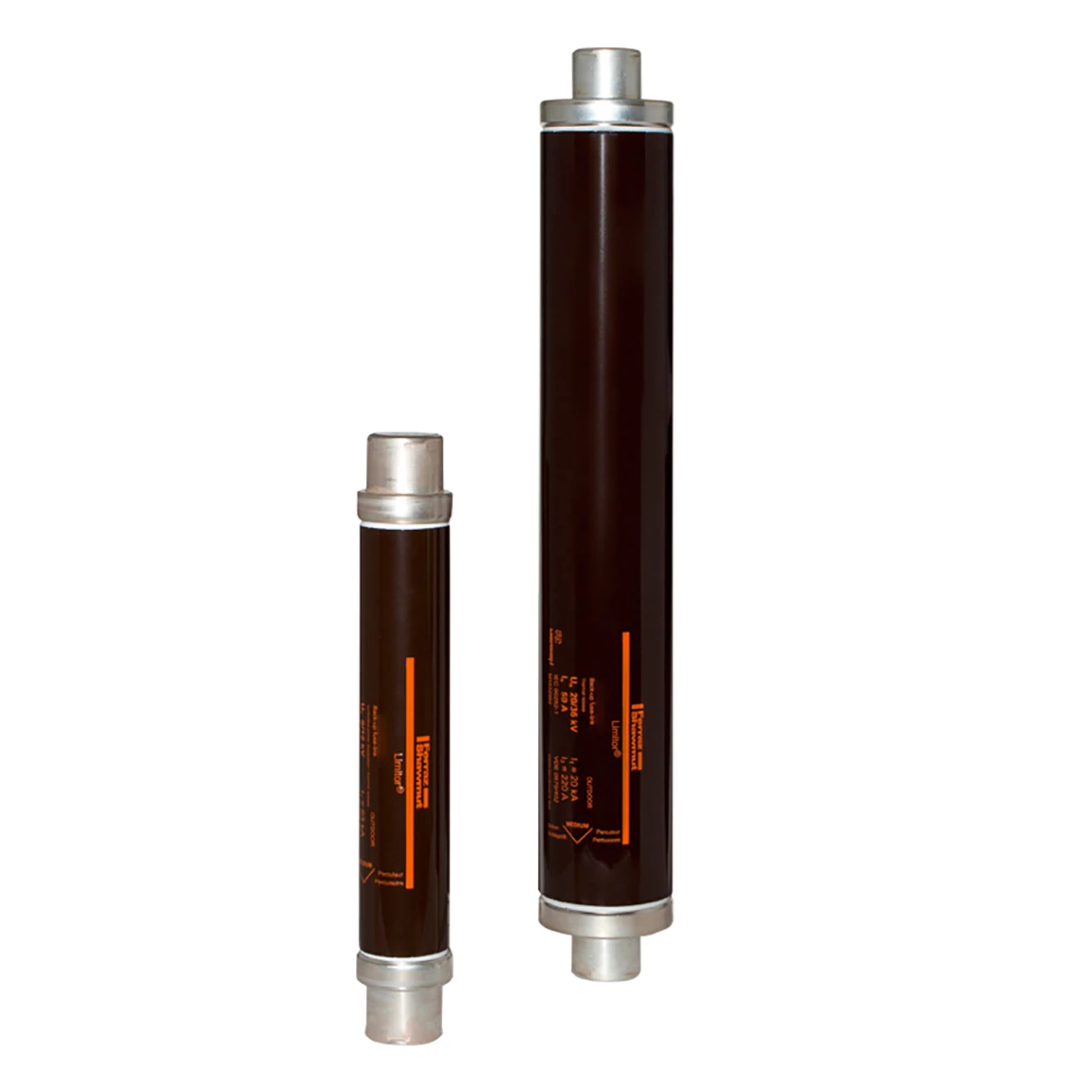
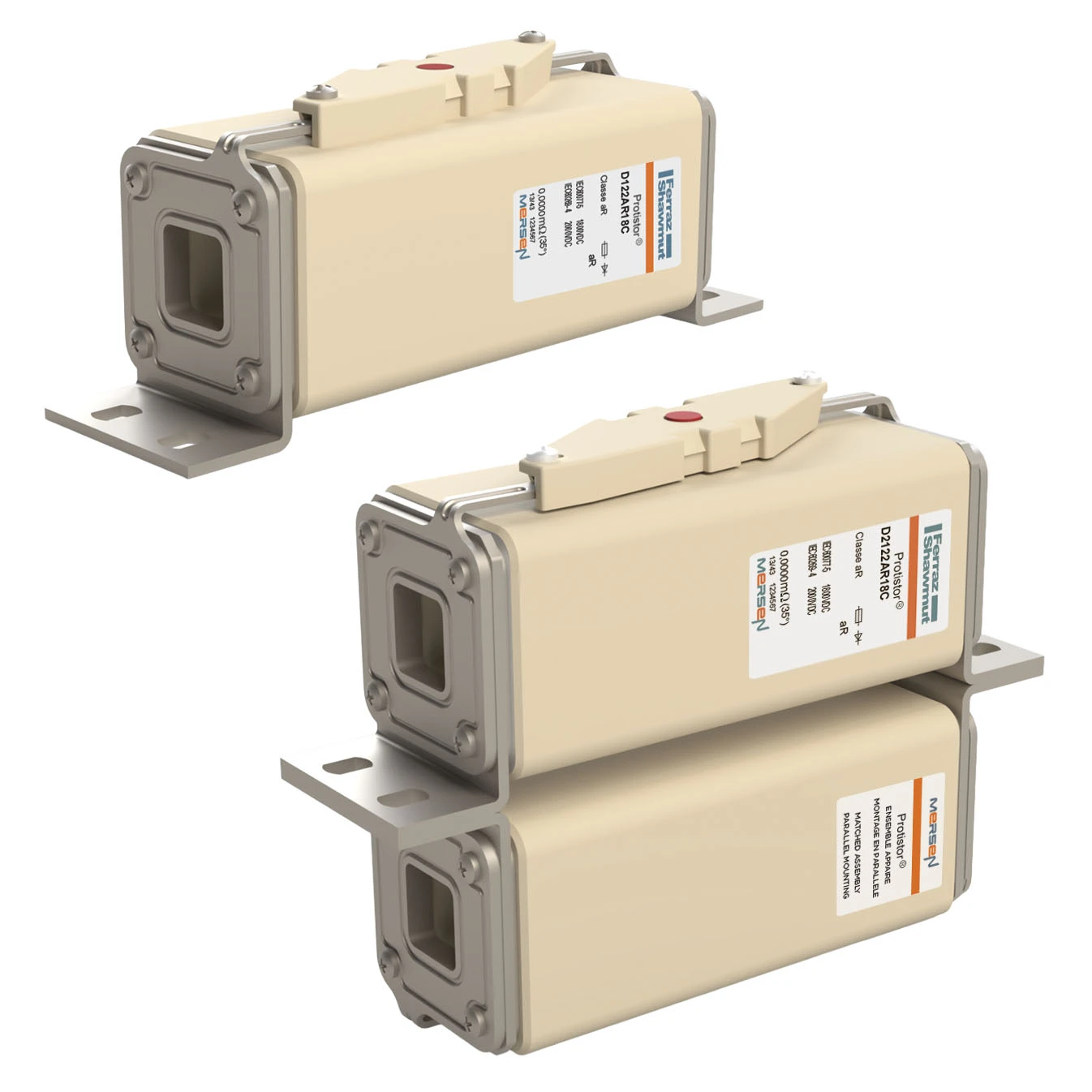
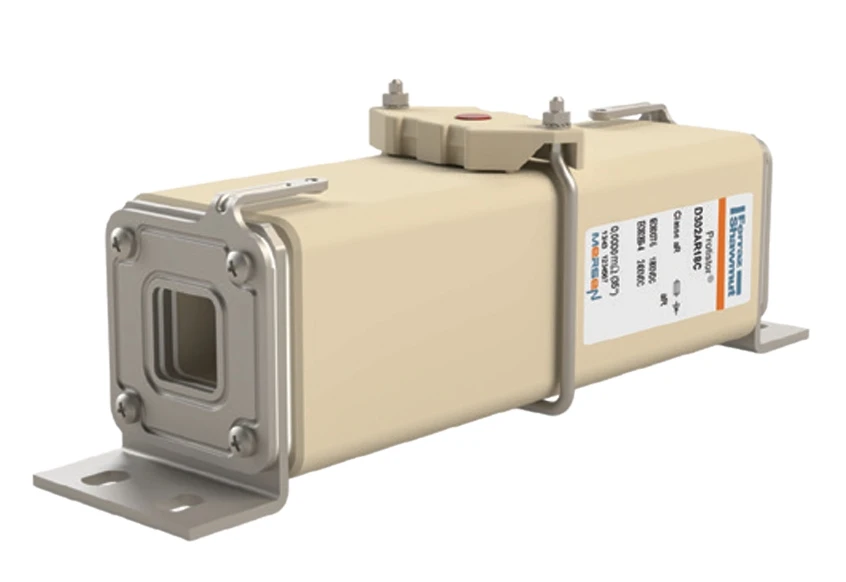
Equipment used in this zone includes: carbon and metallized contact strips, traction surge arresters, fuse-links and roof disconnectors for HV auxiliary circuits, pantograph-status monitoring components (ADD, PPD, OHD), and relays and connectors carrying these signals to the vehicle control system.


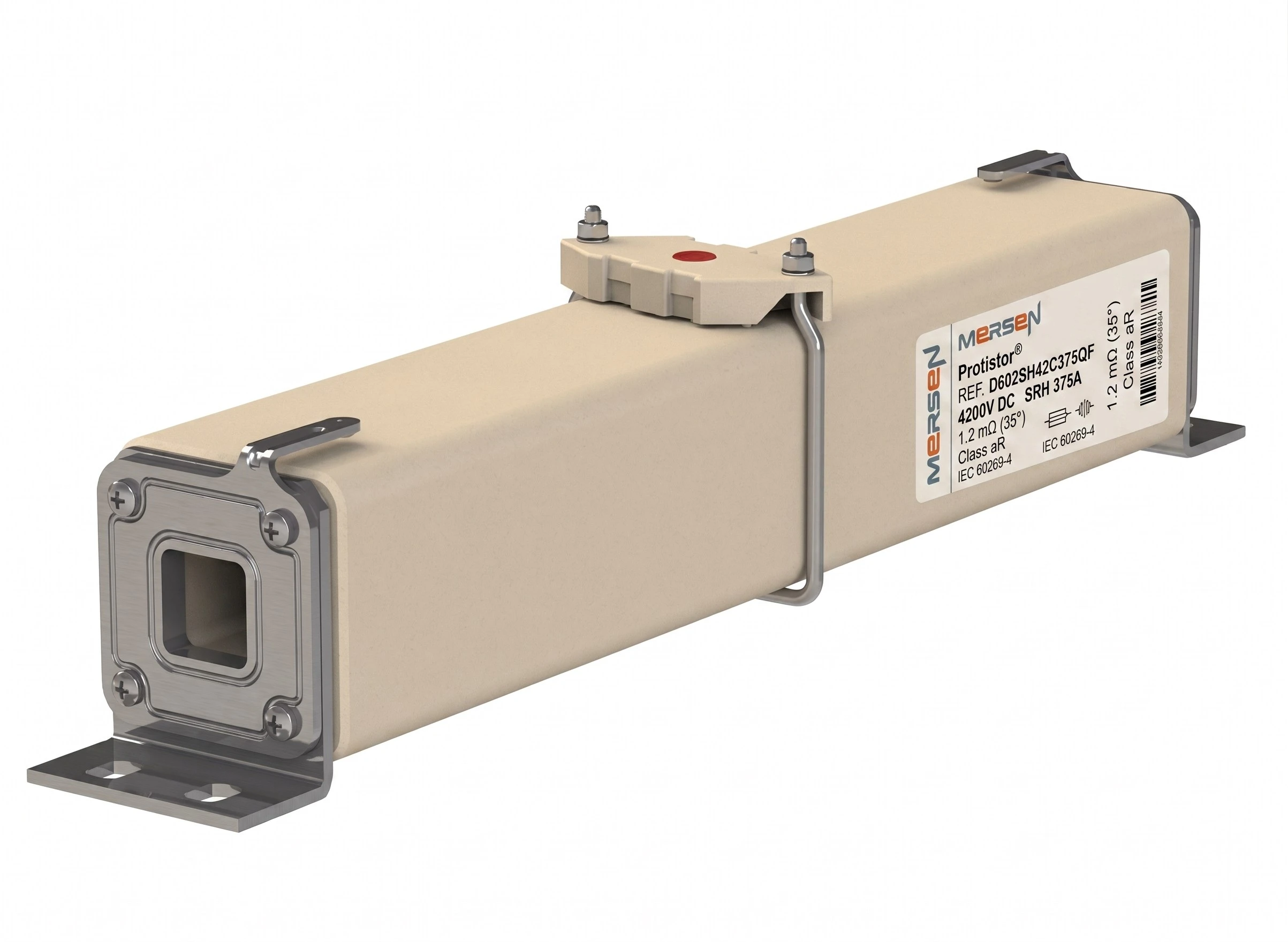
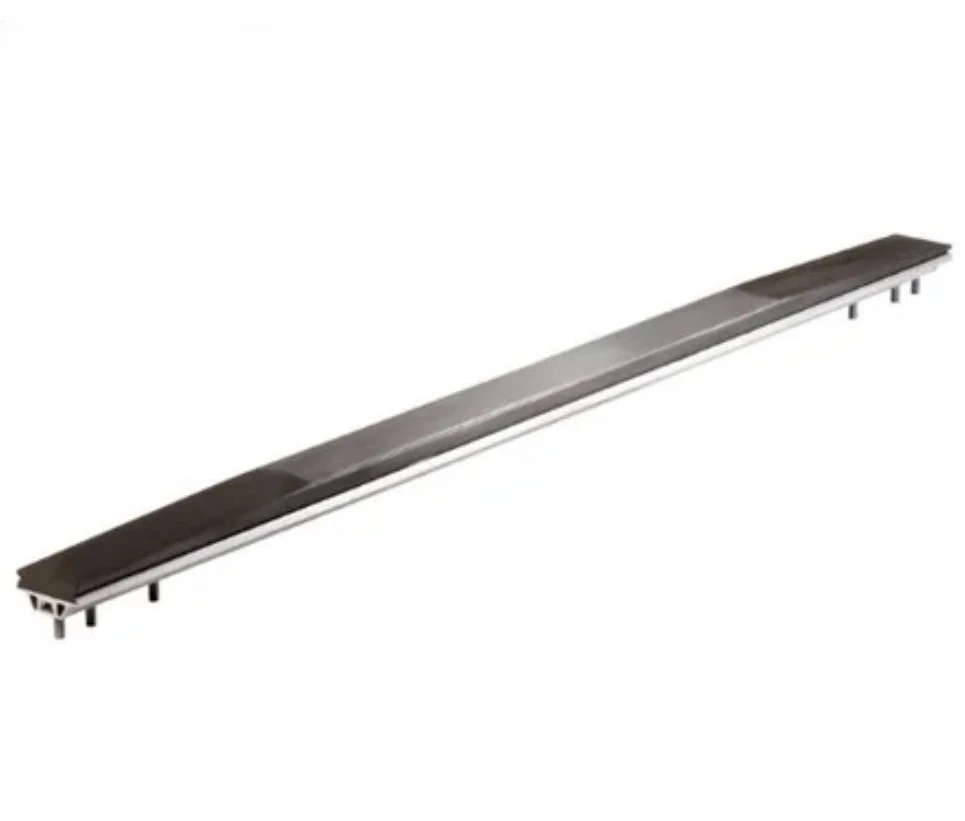
Selection criteria for this area:
Carbon wears the contact wire 20–35% less than a copper strip and does not weld to the wire during arcing. Since 2011, PKP PLK has not permitted copper strips on its network; metal-impregnated carbon strips combine lower resistivity with the same level of contact-wire protection.
ADD (Automatic Dropping Device) uses an air channel in the contact strip: cracking or excessive wear opens the channel, the pressure drop opens a valve and the pantograph lowers without driver intervention. The EU TSI Loc&Pas implementing regulation requires ADD on new vehicles and also defines spacing requirements between pantographs.
Conventional multisystem locomotives may have up to four pantographs - separate ones for DC and AC systems. Universal pantographs can reduce the number to two, but require contact strips and arresters approved for all relevant systems.
No. An arrester in a DC traction circuit is a high-voltage device operating at overhead-line potential; EN 50526-1 applies to DC traction arresters and IEC 60099-4 to AC applications. Low-voltage SPDs covered by the IEC/EN 61643 series are used for auxiliary and signal circuits.