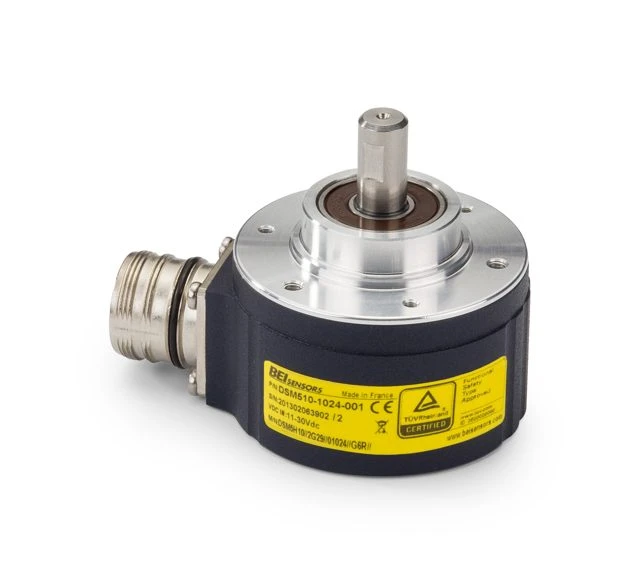
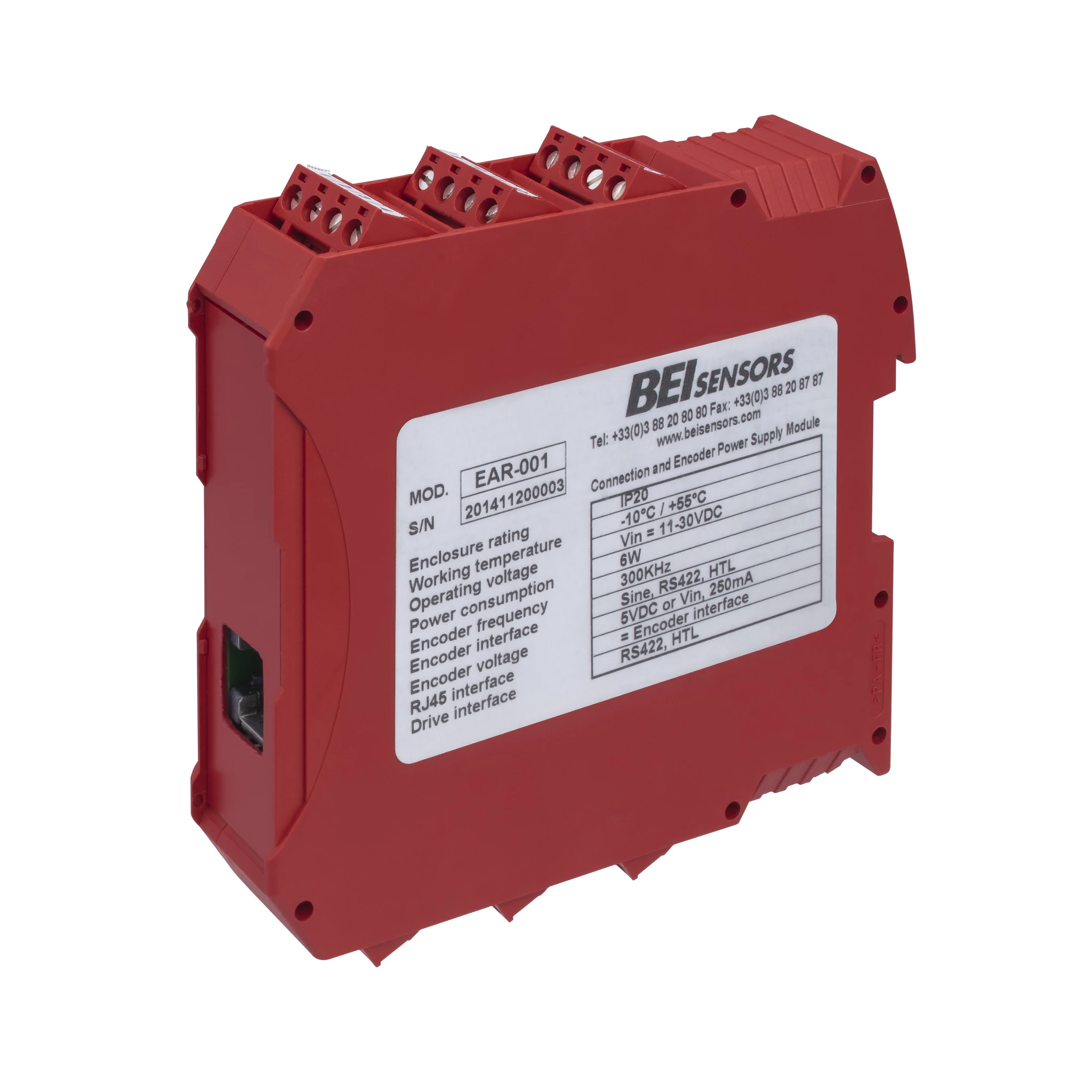
Composite temperature/humidity cyclic test with cold phase (Test Z/AD) - accelerated component testing.
A composite accelerated method for testing specimen resistance, mainly at component level, to the damaging effects of high temperature with high humidity and cold. The cycle combines damp-heat phases with a subcycle cooling below zero, accelerating enclosure “breathing”, moisture ingress and freezing of water trapped in gaps and cracks.
The standard does not apply to specimens powered throughout the test; powering is permitted during phases with constant conditions.
The test demonstrates that a component withstands repeated temperature changes in humid air with cold episodes without loss of sealing, insulation or function. Compared with Test Db, severity is increased by more temperature changes (“pumping”), a wider cyclic range, faster changes and excursions below zero.
A method reference without the number of cycles and post-test measurement results confirms only the procedure used; acceptance criteria are set by the product specification.
Before testing, the specimen is assisted-dried for 24 h at 55 °C ±2 K and ≤20% RH, then stabilized under standard conditions (cooling ≤1 K/min); initial measurements are taken. The humidity chamber cycles between 25 °C and 65 °C with transitions lasting 1.5 h to 2.5 h during heating and cooling, at 93% ±3% RH during steady and rising phases; temperature tolerance is ±2 K.
The cold chamber maintains –10 °C ±2 K and changes from 25 °C to –10 °C within 30 min. A cycle lasts 24 h; in any five of the first nine cycles, after the humidity subcycle, the specimen is exposed to cold, while four of the first nine cycles are performed without cold.
The number of cycles is 10 unless the detail specification states otherwise. Final measurements are made at high humidity, immediately after removal from the chamber and after final drying.
Check the number of cycles and whether the manufacturer gives post-test measurement results (insulation resistance, sealing, function); an entry without the number of cycles means the default 10 cycles only if the manufacturer cites the standard without deviations. The method is aimed at components (terminal blocks, relays, connectors); complete equipment datasheets more commonly cite Test Db.