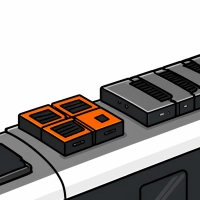
The vehicle roof is an extension of the main circuit outside the carbody: from the current collector through busbars and roof disconnectors to the roof bushing, alongside containers for braking resistors, converters and heat exchangers, as well as communications and signalling antennas. All of this equipment operates at line potential or in its immediate vicinity, across the full range of weather conditions and with relative airflow equal to the train speed.
The main disconnector with earthing function provides visible isolation and earths the HV circuits before access to the compartment; the main-circuit blade carries 1000 A and the earthing blades 400 A. The HV-compartment door interlock, disconnector position and raised-pantograph state are mechanically and pneumatically interlocked - this dependency provides additional protection for maintenance personnel. Surge arresters at the disconnectors absorb lightning overvoltages arriving from the overhead line, while a protective capacitor suppresses switching surges. Electrodynamic braking resistors absorb all braking energy when the network cannot accept it - in Poland, switching to resistors occurs when the line voltage exceeds approximately 3800 V; their containers require temperature monitoring and forced cooling.
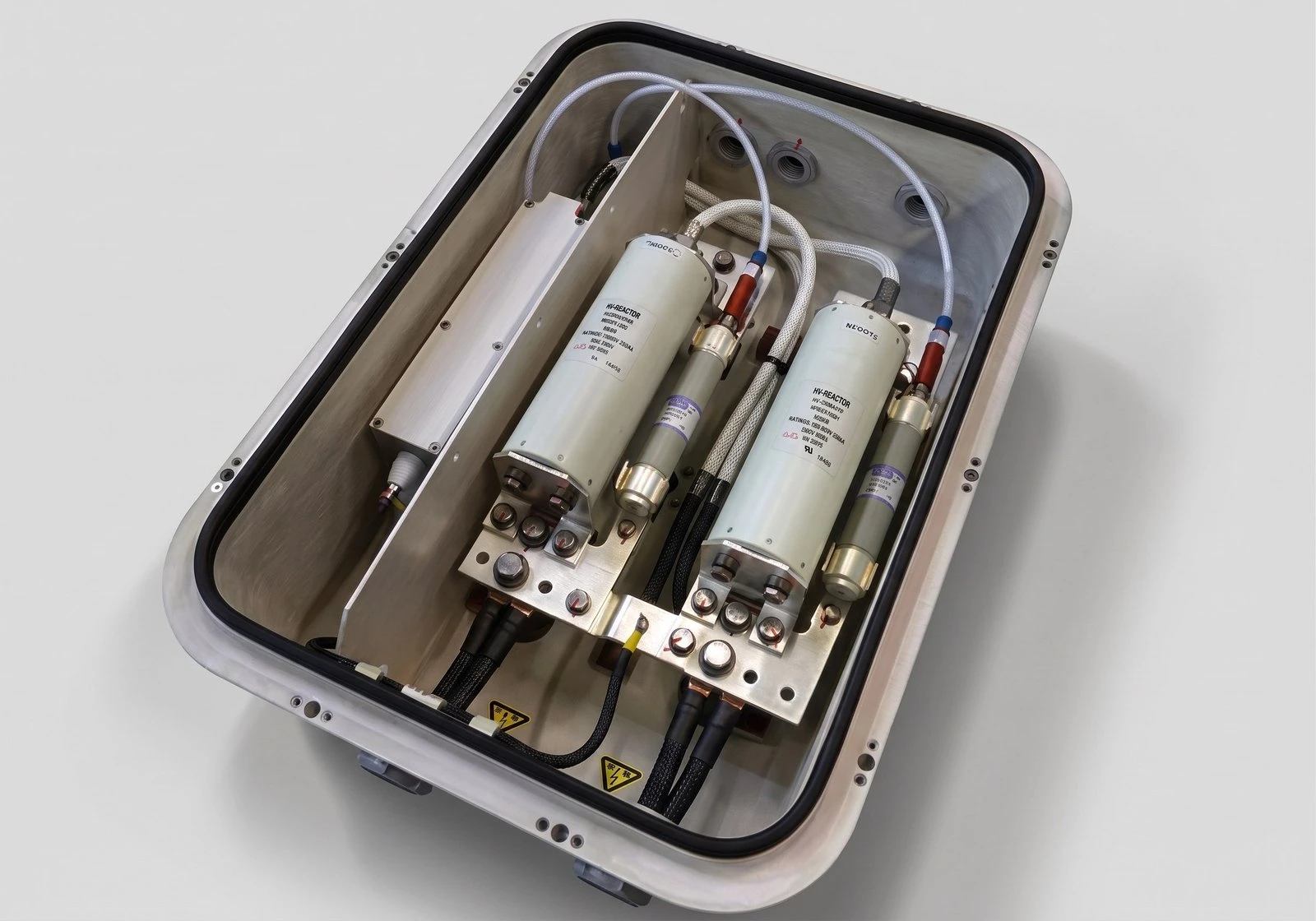
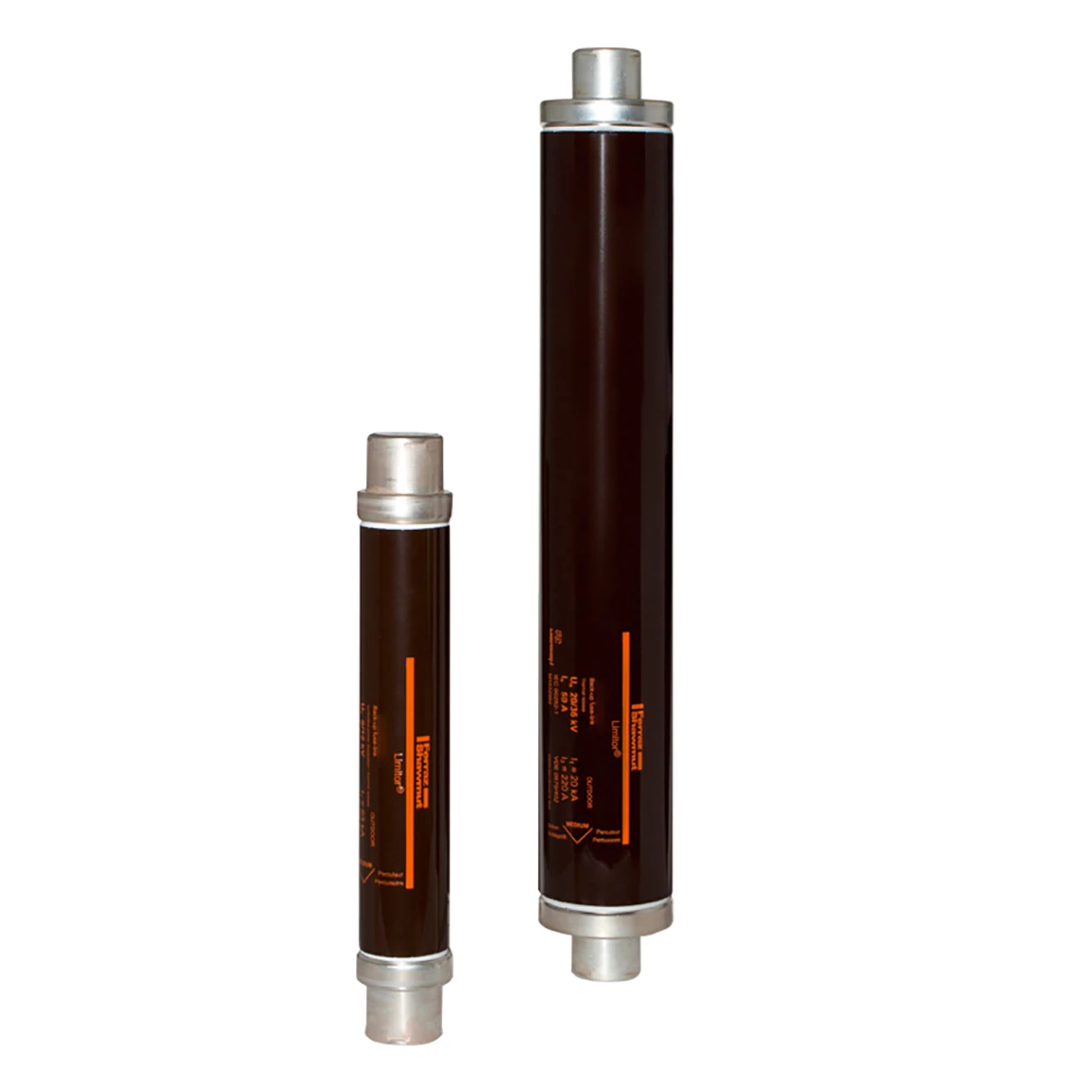
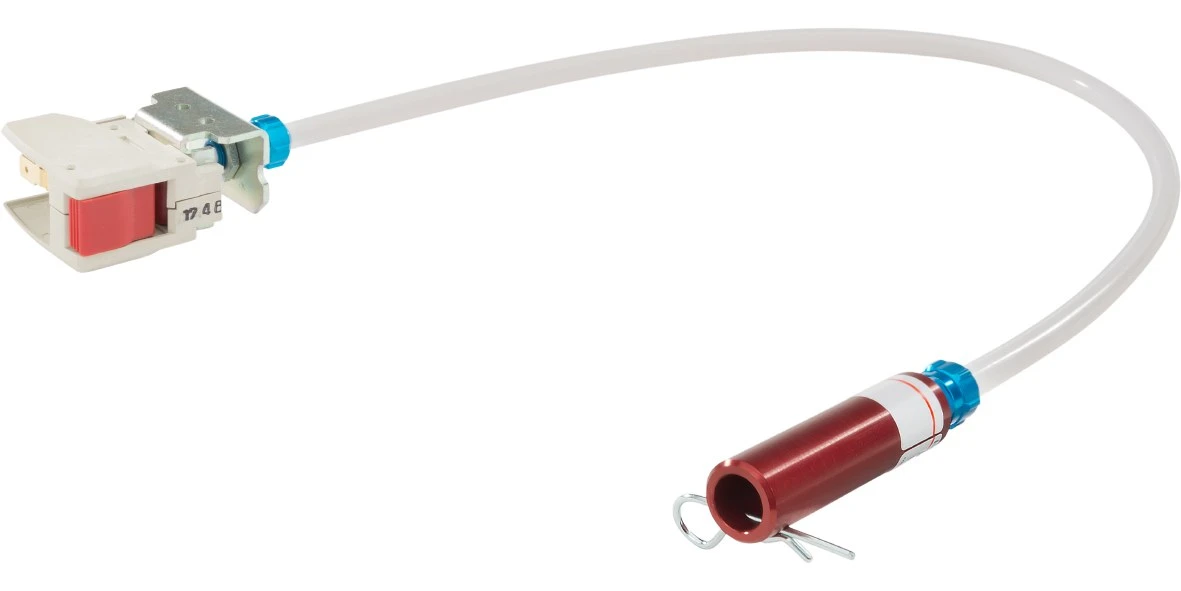
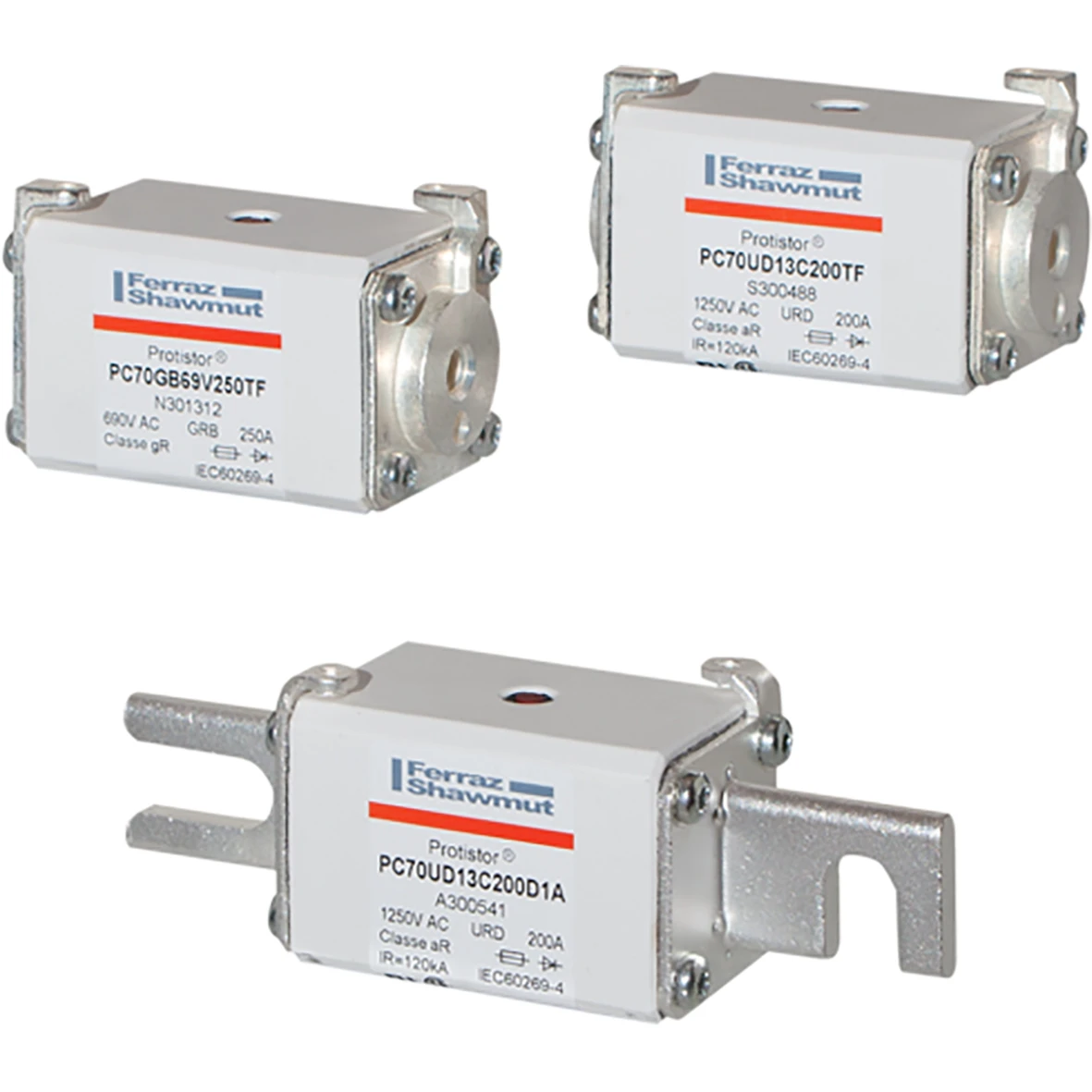
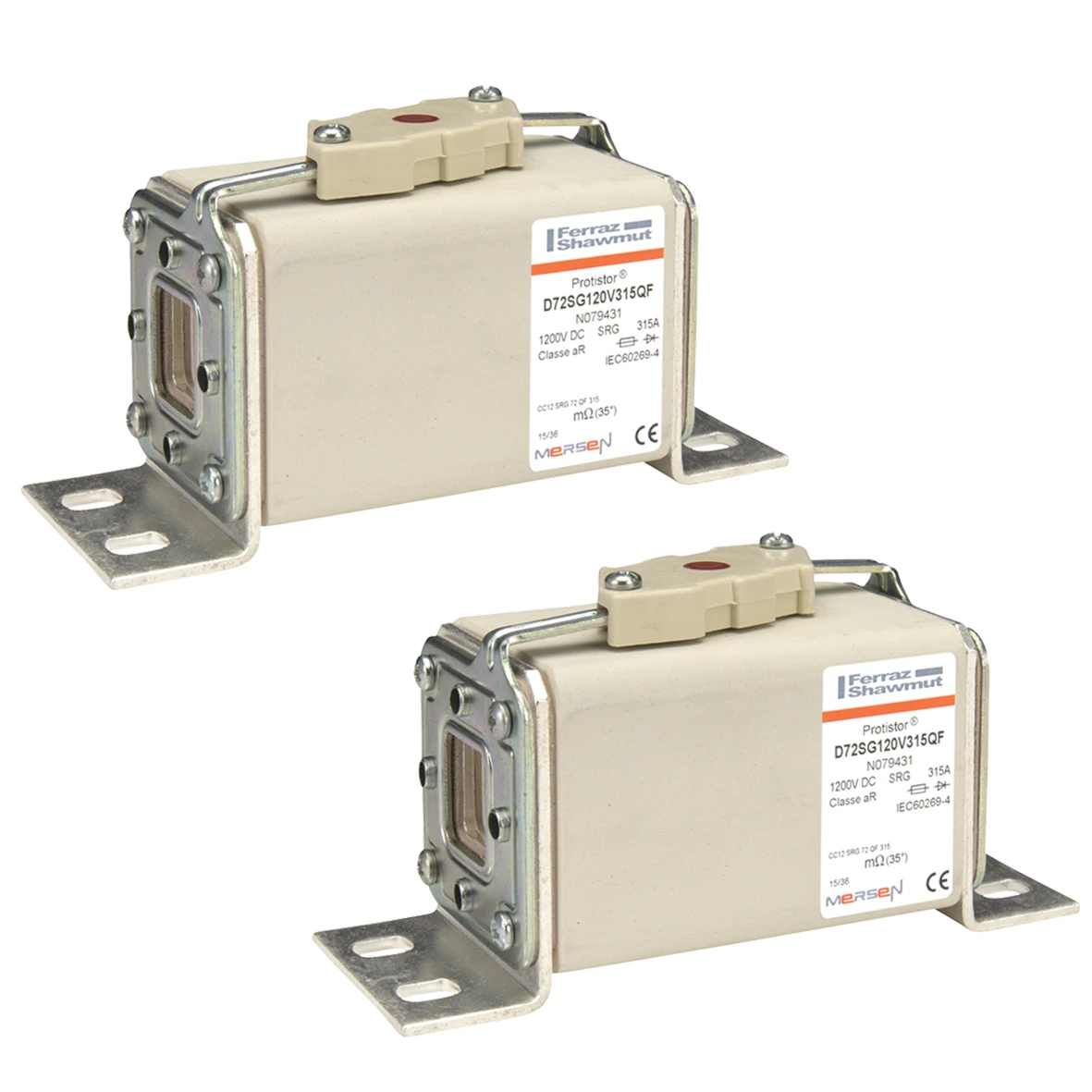
Equipment used in this zone includes: roof disconnectors and earthing switches, fuse boxes and fuse-links for HV auxiliary circuits, traction surge arresters, traction fuse bases, high-current and signal connectors for outdoor use, surge protection devices for antenna lines, temperature sensors and container-status indication.