A static converter supplies the entire onboard network from the 3 kV DC circuit: 3×400 V AC for auxiliary drives and air conditioning, 110 V DC and 24 V DC for control, lighting and battery charging, and 230 V AC for sockets. At its input it has an HV fuse and a soft-start circuit with a resistor and contactors, followed by a filter choke, a DC/DC converter with an intermediate voltage (600 V DC in the example) and an inverter. A vehicle has at least two converters with reserve capacity and a voltage changeover contactor; the converters require cooling and are sensitive to disturbances from the traction supply.
The onboard battery is the source that must operate when nothing else does: it supplies the auxiliary pantograph compressor, line-voltage measurement system, high-speed circuit breaker control, CA/SHP systems, magnetic track-brake coils and emergency lighting. It must be connected through fuses, with provision for permanent isolation by a manual disconnector at the battery box, and charged with cell-temperature monitoring. For example, in the EU06/EU07 locomotive (a classic 3 kV DC locomotive), the 96 V Ni-Cd battery (type 4G60H, 72 cells in 24 boxes) is protected by Bi-Wts 60 A fuse-links and a 63 A automatic circuit breaker serving as the battery isolator and mounted on a panel in the cab control desk. External 3×400 V supply through a standardized socket with pilot contacts is mandatory in new vehicles.
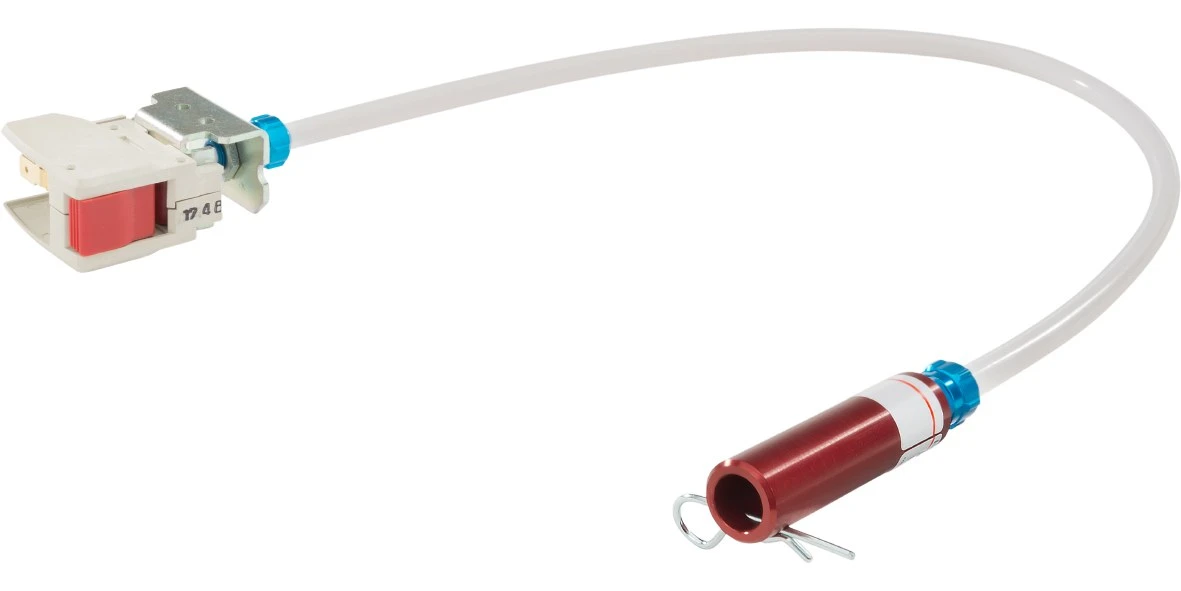
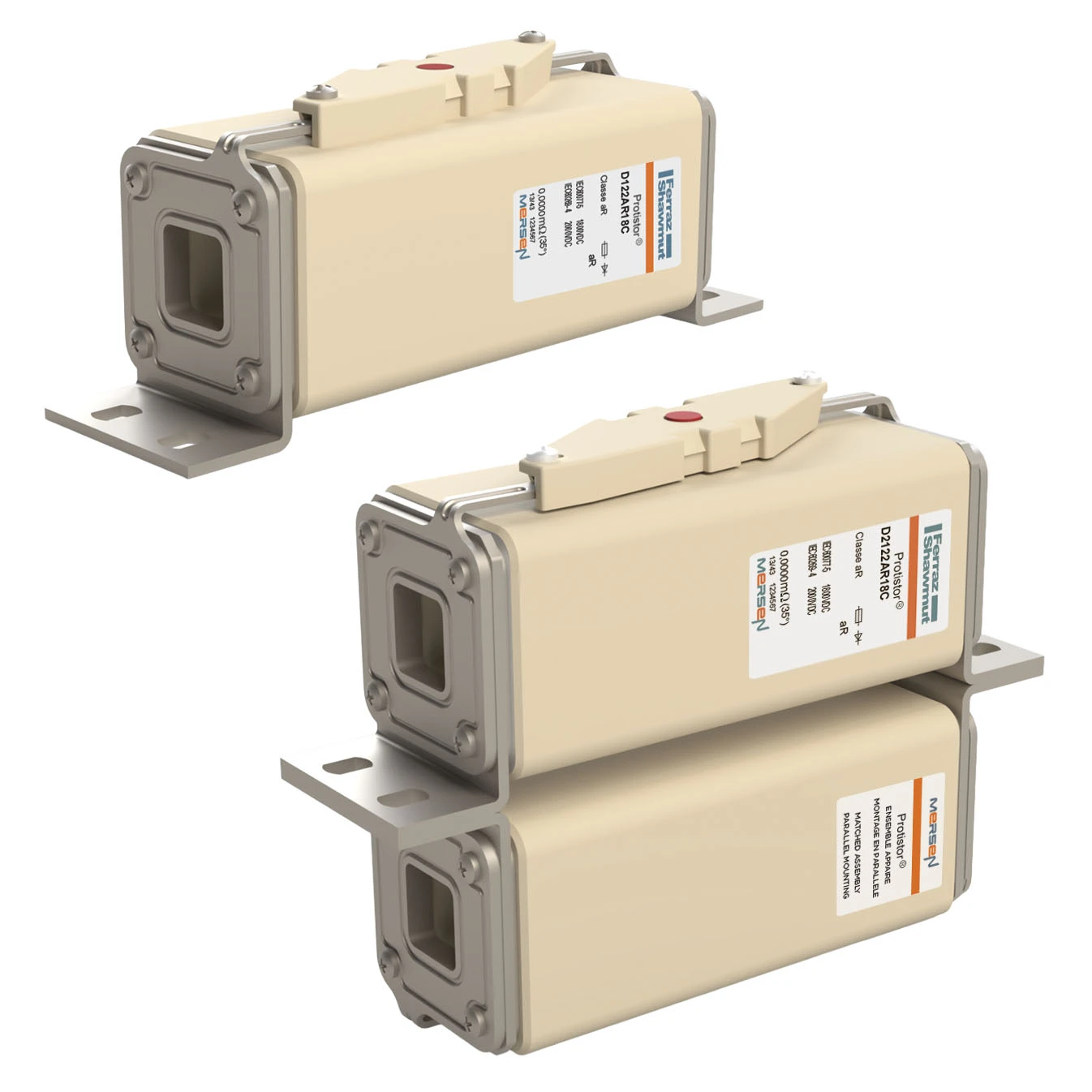
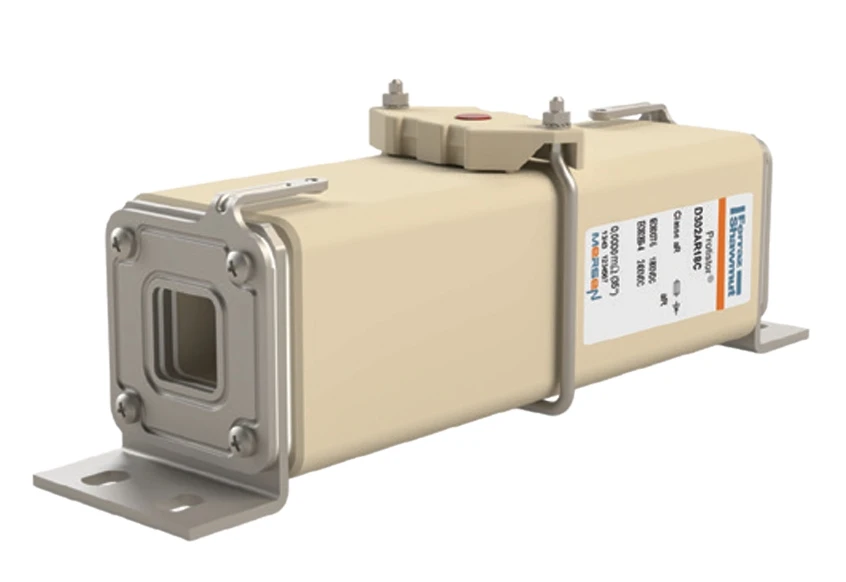
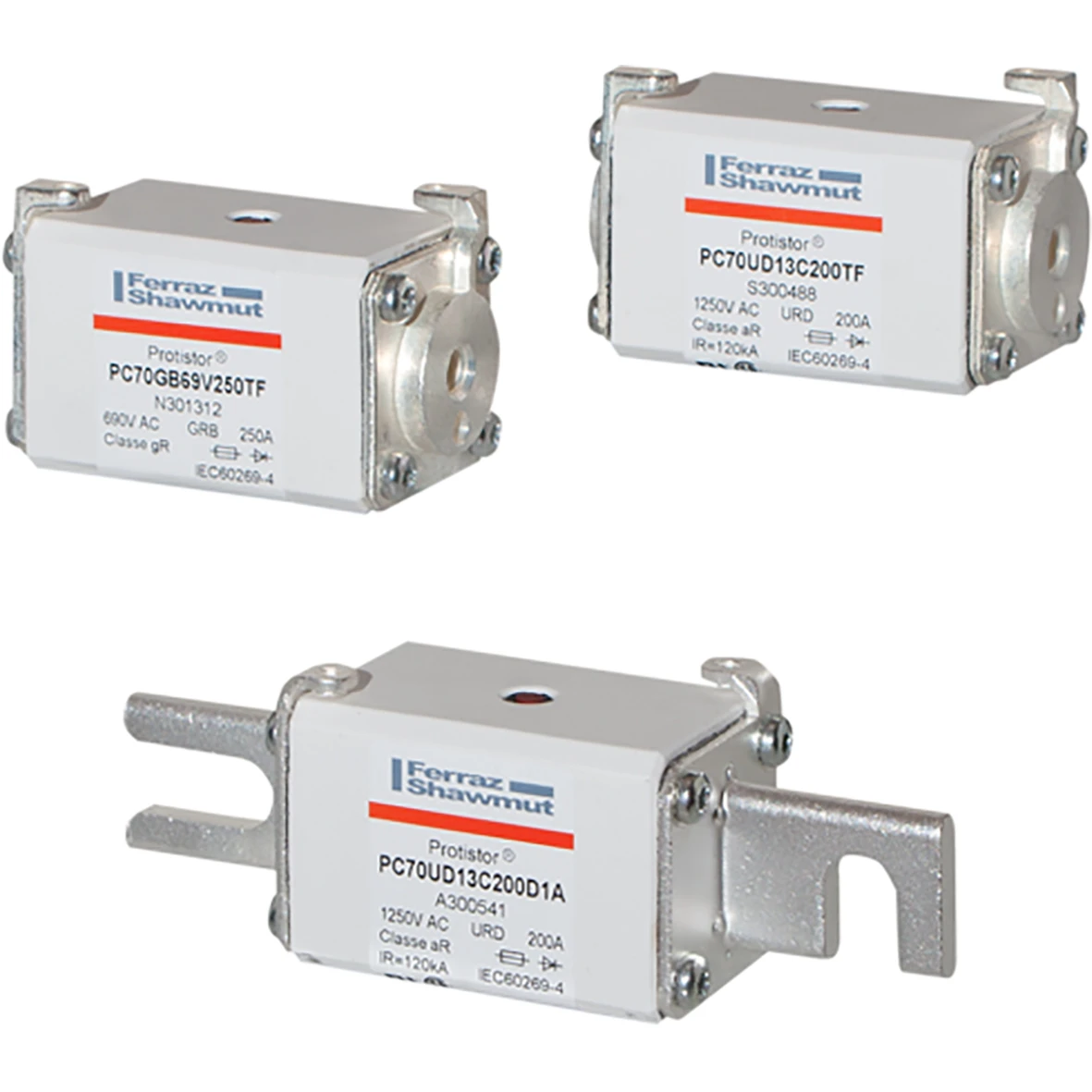
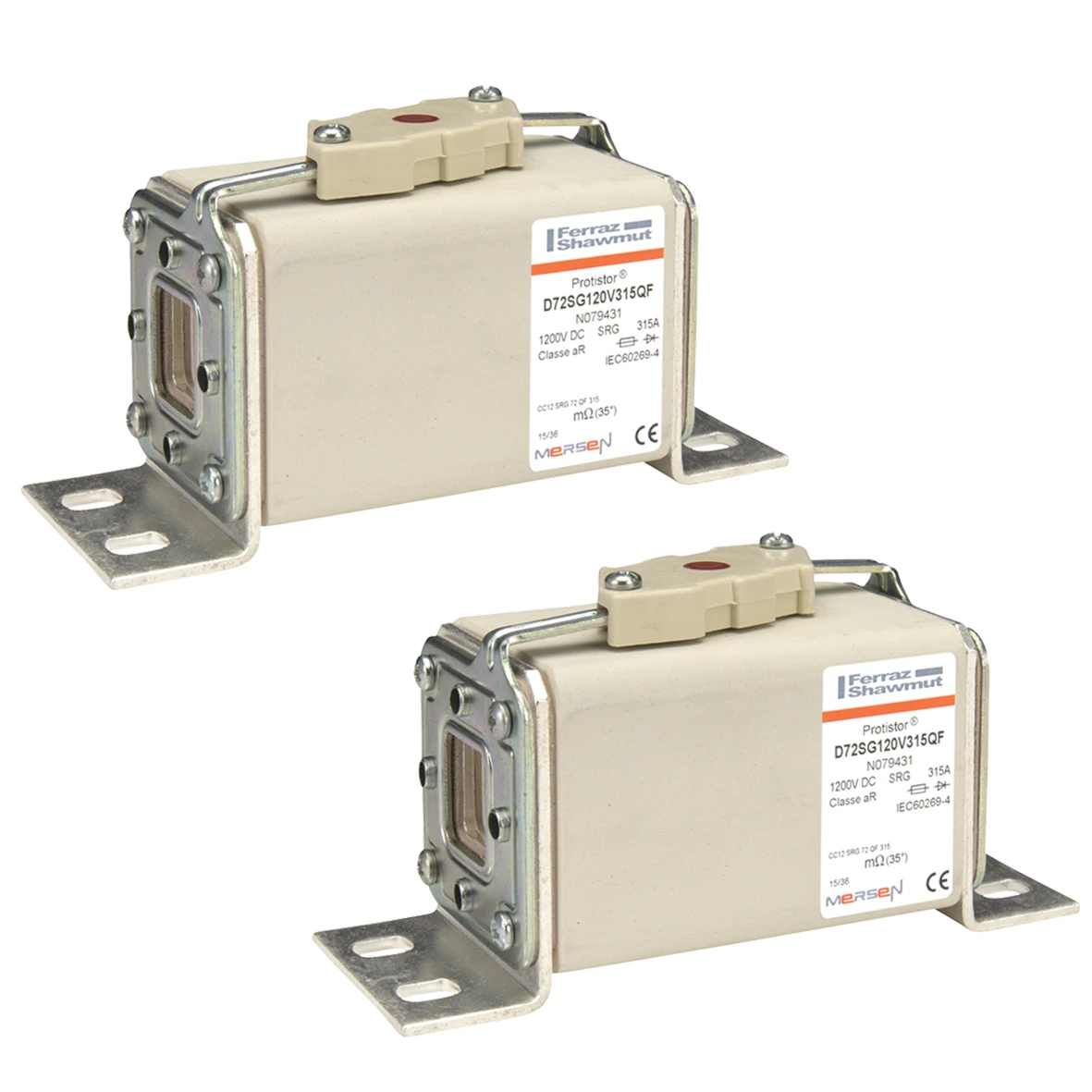
Equipment used in this area includes: high-speed DC fuse-links and traction fuse bases with trip indication, circuit breakers and disconnectors for the battery circuit, battery contactors and DC relays with undervoltage release, DC/DC converters and buffer power supplies, battery-box temperature sensors, high-current terminal blocks and external-power connectors.