A traction substation converts energy from the distribution grid into the voltage used to supply the overhead contact line - in Poland, 3 kV DC traction predominates, alongside AC systems on lines supplied from the industrial power grid. From the equipment-selection perspective, the facility can be divided into three sections with different requirements: the AC incoming feeder bay, the rectifier unit, and the DC outgoing feeder bays with the return circuit.
The DC side is more demanding than the AC side. Direct current has no natural current zero, so an arc does not extinguish on its own - the breaking capability of the apparatus depends on the L/R time constant of the circuit, not only on the prospective short-circuit current. The same fuse or switch-disconnector behaves differently in circuits with low and high inductance. This is compounded by switching and lightning overvoltages entering from the overhead contact line and by the need for insulation coordination at rated voltages higher than those found in typical industrial installations.
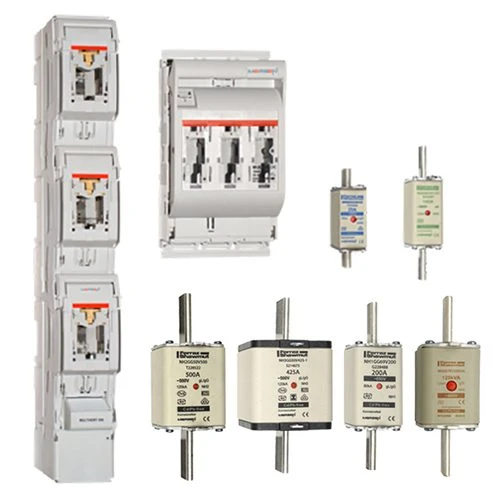
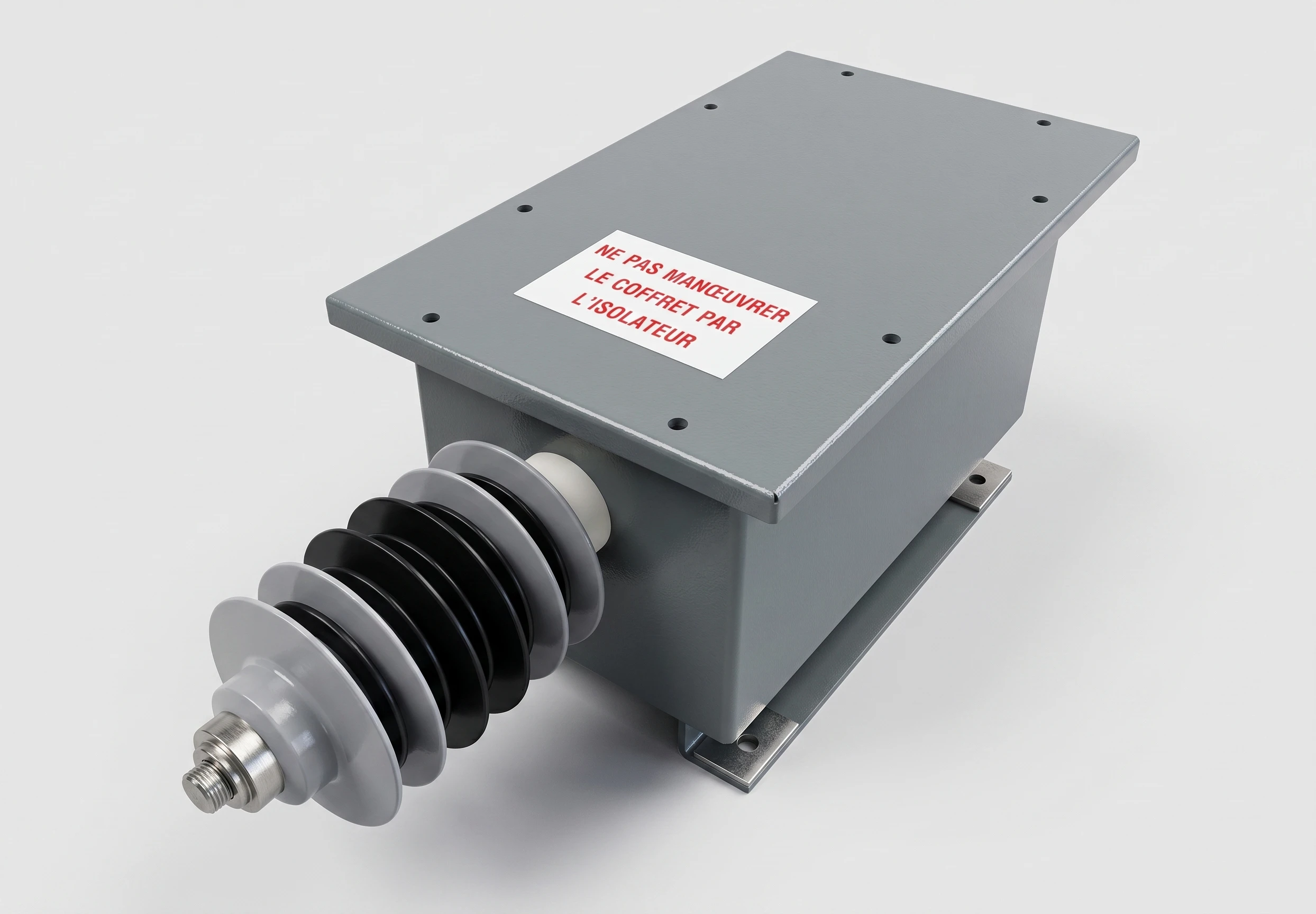
Equipment used in this area includes: fuse-links and fuse bases for AC and DC circuits, DC switching apparatus, surge protection devices on both sides of the converter, high-voltage measurement transducers with galvanic isolation, power supplies and relays for auxiliary-service circuits, as well as terminal blocks and cabinet systems.