The passenger compartment is the largest consumer of auxiliary energy in a vehicle. Heating and air conditioning operate at 3×400 V from a converter or the train busbar, passenger sockets at 230 V 50 Hz, and lighting, passenger information systems and chargers at 24 V or 110 V DC. The train busbar specified by UIC 552 carries 800 A at 1000 V 16⅔/50 Hz, 1500 V AC/DC or 3000 V DC, and coach converters must withstand overloads and short circuits on the load side.
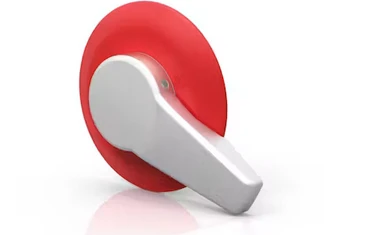
Heating and air-conditioning circuits combine high power with frequent switching cycles - a natural application for solid-state relays with load monitoring. Passenger circuits are the only circuits in the vehicle directly accessible to the public: sockets, buttons, chargers and emergency-brake handles must withstand vandalism and misuse. In a modern vehicle, the emergency brake does not directly vent the main brake pipe - it sends a signal to the cab. Away from a platform, the system introduces a delay of 10 ± 1 s; during this time the driver can inhibit automatic braking and move the train out of a tunnel instead of stopping it in the worst possible location. Non-metallic materials in the passenger area are subject to EN 45545-2 with an HL level determined by the vehicle category and the tunnels on its route.
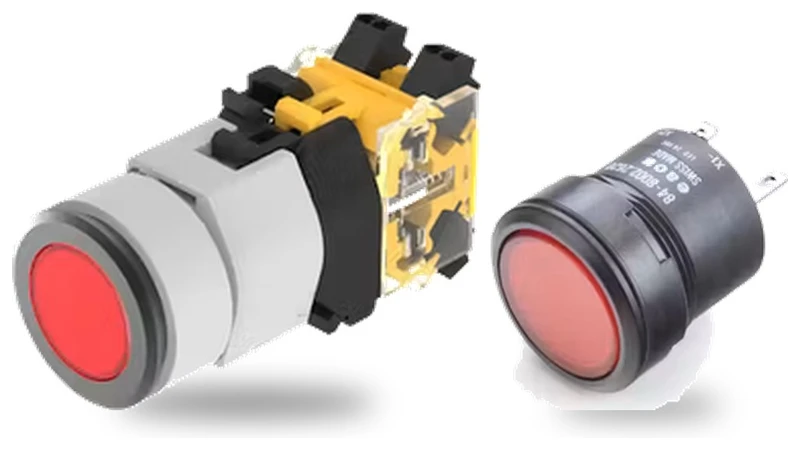
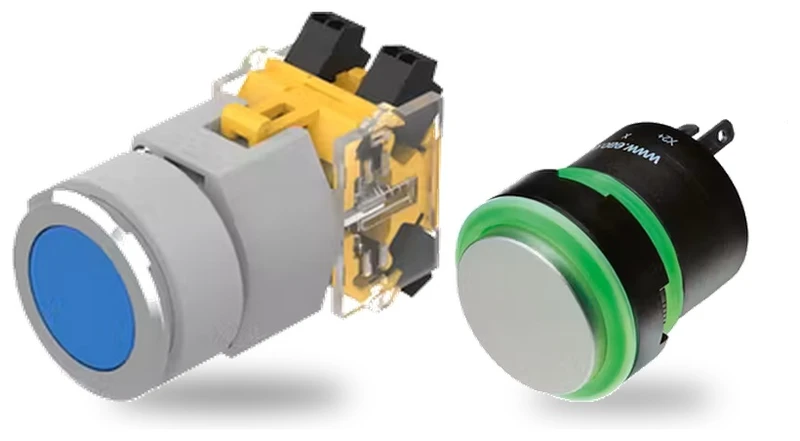
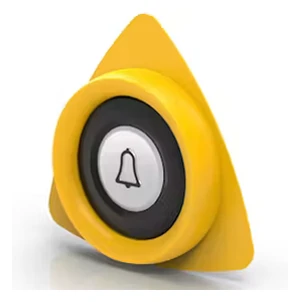
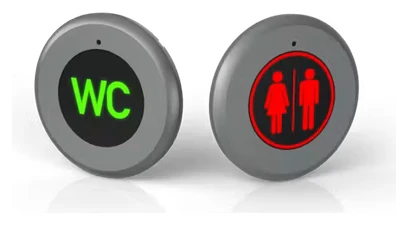
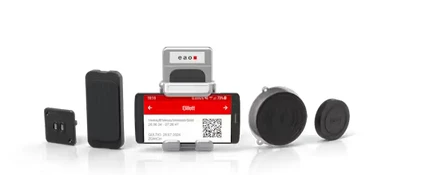
Equipment used in this area includes: solid-state relays and contactors for heating, ventilation and air conditioning, protection for 3×400 V and 230 V circuits, information pushbuttons and indicators, assistance-call buttons, USB and inductive chargers, seat-reservation systems, onboard printers, connectors and enclosures for onboard electronics.